
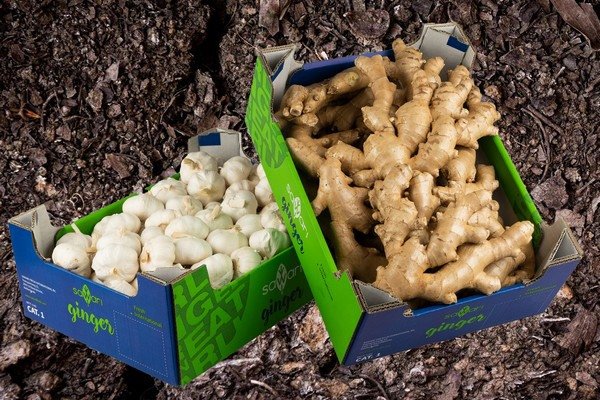
The Directorate General of Customs Valuation has updated the customs values for imported ginger and garlic to align with current international market prices. The revised rates apply to imports from China, Indonesia, Vietnam, Myanmar, and Thailand, ensuring more accurate assessment of duties and taxes. The update follows industry concerns that previous valuations were higher than prevailing global prices and has been formalized through Valuation Ruling No. 2044 of 2026, replacing the 2024 ruling.
Authorities explained that the revision reflects changes in international prices, particularly following higher production in key exporting countries. Imports arriving via land routes are allowed a 10 percent reduction in customs values to account for lower freight costs. The process was initiated after the All Pakistan Fresh Ginger and Garlic Importers and Wholesalers Association requested a review due to declining global prices driven by bumper crops in countries such as China and Thailand. Customs authorities reviewed 90 days of import data and conducted surveys of wholesale and retail markets to determine actual price trends. The final valuations were set after careful analysis of import data, market conditions, and international price movements, ensuring compliance with legal provisions and transparency.
In a related update, the Directorate also revised customs values for branded olives, marking the first update in over four years. The new rates apply to major international brands including Borges, Figaro, American, Garden, Mundial, Fragata, Del Monte, Italia, and Wadi. Issued through Valuation Ruling No. 2045 of 2026, these updates replace the previous ruling from 2022. Customs authorities noted that the earlier valuations had become outdated and did not reflect current international prices.
During consultations, importers highlighted that declared values were consistent with recent trends and advocated for brand-wise valuation rather than origin-based assessment, considering variations in quality, brand positioning, and seasonal factors. Authorities reviewed import documentation, conducted market surveys, and analyzed international price trends along with seasonal crop patterns. The resulting brand-wise valuation framework incorporates quality and supplier-level data, creating a more transparent and objective mechanism for pricing. The Directorate stated that the revised values are in line with legal requirements and reflect current global market dynamics, promoting fairness and accuracy in customs duty assessments.