Reko Diq Cost Estimate Rises 30% to $9.1 Billion as First Production May Slip to 2030
An ICMA report says Reko Diq's development cost has climbed from $7 billion to $9.1 billion, with initial output potentially delayed by two years, raising financial exposure for three Pakistani state-owned companies holding a 25% stake.
Get this story and every big update first on WhatsAppFollow the around.pk English News channel — free, no spam Follow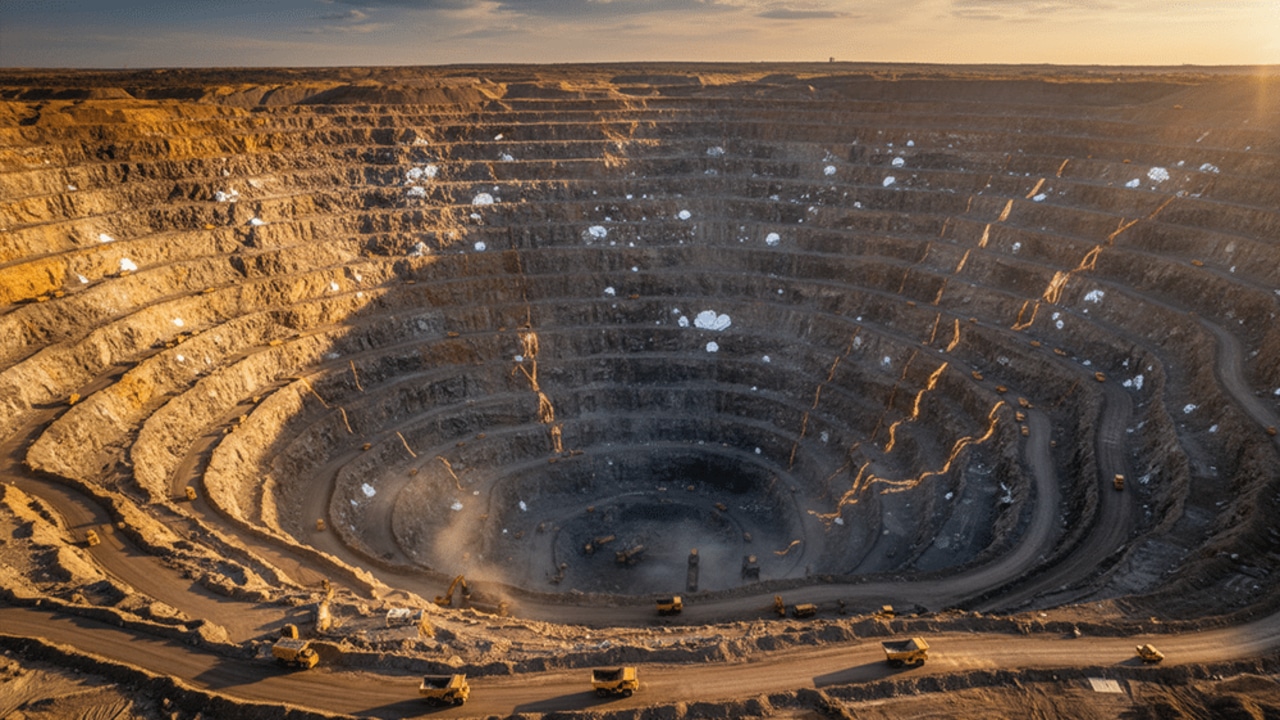
The estimated development cost of Pakistan's Reko Diq copper and gold project has risen about 30 percent to $9.1 billion from an earlier estimate of $7 billion, while first production could be pushed back by two years to 2030, according to a report by the Institute of Cost and Management Accountants (ICMA).
The report breaks the increase down by phase. Phase I investment is now estimated at $5.6 billion, up from $4 billion, while Phase II costs have climbed to $3.5 billion from $3 billion. The project is designed around a 37-year mine life, with Phase I processing 45 million tonnes of ore annually and capacity doubling to 90 million tonnes under Phase II.
The higher price tag intensifies the financial risk for three Pakistani state-owned enterprises that have committed roughly $1.88 billion to the venture: Oil and Gas Development Company Limited (OGDCL), Pakistan Petroleum Limited (PPL) and Government Holdings (Private) Limited (GHPL). Together they hold 25 percent of Reko Diq, while international miner Barrick holds 50 percent and the Government of Balochistan the remaining 25 percent.
Uncertainty around the project has grown amid security concerns in Balochistan. Barrick began reviewing the project in February 2026 and announced a slowdown in development in April, extending the review until mid-2027 to reassess security conditions, financing, capital requirements and timelines. Initial production, previously targeted for the end of 2028, may now shift to 2030, though Barrick has not formally confirmed a revised date and has cautioned that previously disclosed costs and schedules could change.
For the participating state-owned firms, the delays could postpone dividend income, increase financing exposure and raise the opportunity cost of committed capital, making cost controls, transparent monitoring and timely execution increasingly important.
The report notes that Reko Diq still carries substantial long-term potential, with an estimated $74 billion in free cash flow over the mine's 37-year life, peak construction employment of about 7,500 workers and roughly 4,000 permanent jobs. It cautions, however, that projected cash flow is not the same as revenue accruing directly to Pakistan, since actual benefits will depend on ownership distributions, taxes, royalties, reinvestment and the participation of domestic businesses. The project is currently designed to produce copper and gold concentrate, with smelting and refining outside its scope, meaning domestic value addition is not guaranteed.
The story so far Oil and Gas Development Company Limited
- OGDCL Strikes Gas Condensate Discovery in Sindh's Khairpur
- Senate Committee Seeks 20 Years of Oil and Gas Royalty Records from Provinces
- Pakistan to Host Global Minerals Investment Forum in Islamabad on November 12–13