Thar Coal Mines to Get Grid Power, Saving Rs25 Million Daily in Diesel Costs
A new 132kV transmission link will replace diesel-fired electricity at Thar Block I and Block II mines, cutting fuel bills, lowering coal production costs and reducing emissions.
Get this story and every big update first on WhatsAppFollow the around.pk English News channel — free, no spam Follow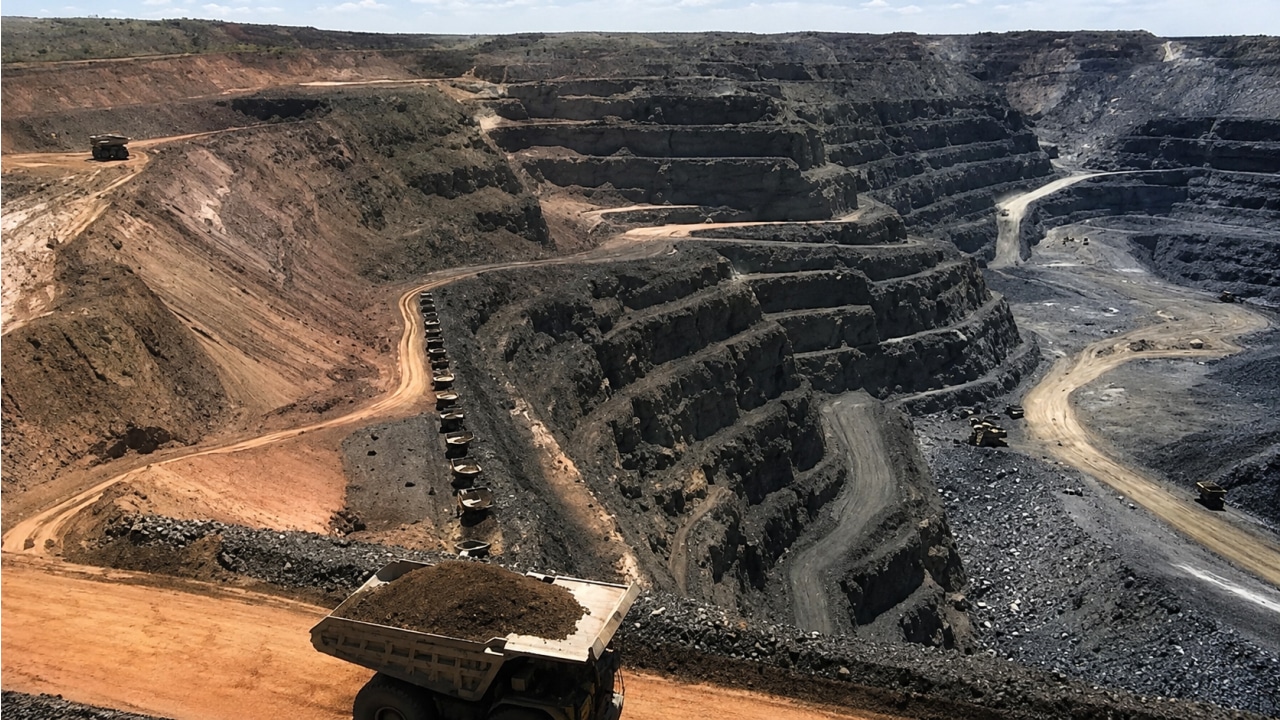
Work has begun on a project to connect the Thar coal mines to Pakistan's national electricity grid, a move expected to save the country between $25 million and $30 million annually in diesel costs, according to a review meeting chaired by Federal Minister for Power Sardar Awais Ahmad Khan Leghari.
The contract for the grid connection has been awarded and the contractor has mobilized at the site. Officials now expect the work to be completed by April 2028, roughly eight months ahead of the original end-2028 deadline.
The project will link mining operations in Thar Block I and Block II to the grid through 132kV transmission lines running from the Islamkot Grid Station, supplying around 60 megawatts of electricity to the mining sites. At present, the mines depend on diesel-generated power costing about 33 cents per kilowatt-hour; grid electricity is expected to bring that down to about 13 cents, a reduction of more than 60 percent.
The mines currently consume between 200,000 and 250,000 litres of diesel a day, including around 35,000 litres for dewatering. Switching to grid power is projected to cut daily diesel expenses by approximately Rs25 million and lower coal production costs by about $0.70 per tonne, which could in turn reduce the tariff for electricity generated from Thar coal. The shift is also expected to cut carbon emissions by around 80,000 tonnes a year.
The meeting was also told that Thar Block I plans to introduce around 40 electric trucks by the end of this year, while Block II intends to begin deploying electric vehicles in 2028, alongside the completion of grid connectivity.
The initiative is part of efforts to lower the cost of electricity produced from Pakistan's large lignite reserves in the Thar desert and to reduce the sector's reliance on imported fuel.
The story so far Electricity
- Pakistan's Power Generation Fuel Cost Jumps 34% in First Four Months of FY2027
- Industrial Consumers Challenge Rs24 Billion Electricity Adjustment at Nepra Hearing
- Pakistan's Two-Tier DISCO Privatization Plan Unlikely to Cut Power Bills Immediately
- IESCO Begins Temporary Loadshedding Across Five Cities After Power Shortfall