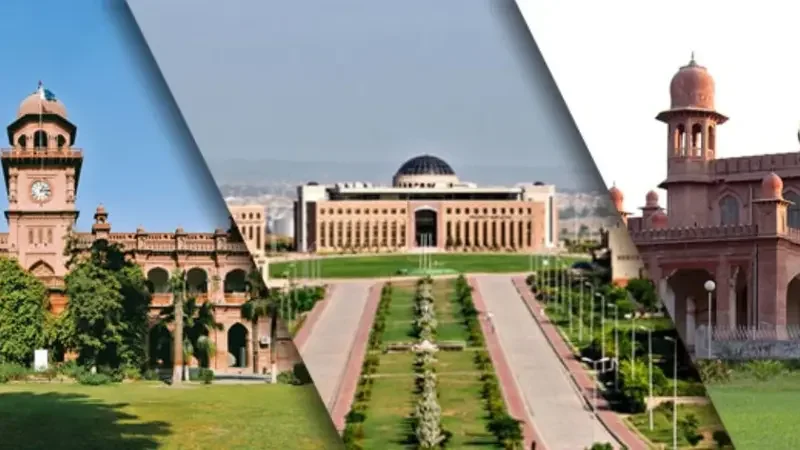

Pakistan Baitul Mal has signed a Memorandum of Understanding with University of Peshawar to provide 60 annual scholarships to financially deserving students enrolled in the Department of Sociology. The initiative aims to expand access to higher education and support underprivileged students through structured financial assistance.
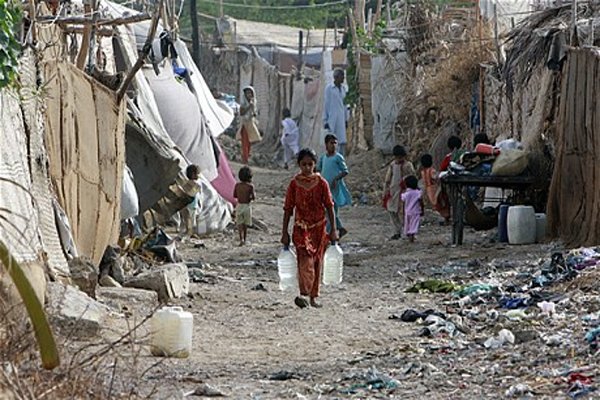
Under the agreement, Pakistan Baitul Mal will allocate approximately Rs. 3.6 million per year to fund the scholarships. The financial aid program will target students facing economic hardship, ensuring that talented individuals are not deprived of academic opportunities due to financial constraints. The scholarships will be awarded strictly on the basis of merit and verified financial need to promote transparency and equal opportunity in higher education.
Dr. Syed Owas, Chairman of the Department of Sociology, and Sheraz, Director Finance at Pakistan Baitul Mal, have been appointed as focal persons to supervise the implementation and monitoring of the scholarship program. Their role will include overseeing the disbursement process and ensuring compliance with agreed procedures.
The signing ceremony was attended by Professor Dr. Anwar Alam, Dean of the Faculty of Social Sciences, and Dr. Noor Sanauddin, Associate Professor, along with faculty members and university officials. The Vice Chancellor appreciated the longstanding role of Pakistan Baitul Mal in supporting deserving students nationwide and emphasized the importance of establishing clear terms of reference and transparent evaluation mechanisms for scholarship applications.
To further strengthen governance, the Vice Chancellor proposed forming a dedicated oversight committee comprising representatives from the Department of Sociology, Pakistan Baitul Mal, and the university administration. The committee will manage application reviews, fund utilization, and overall program execution.
Officials from Pakistan Baitul Mal welcomed the formal partnership, noting that it institutionalizes years of informal cooperation between the two organizations. They also expressed willingness to broaden collaboration beyond financial aid by facilitating student fieldwork placements, research surveys, and academic initiatives addressing social development issues.