Pakistan's ODI Opening Experimentation Builds Depth Ahead of World Cup
Pakistan has rotated through three opening combinations across four ODI series, giving emerging batters valuable exposure before a World Cup in unfamiliar African conditions.
Get this story and every big update first on WhatsAppFollow the around.pk English News channel — free, no spam Follow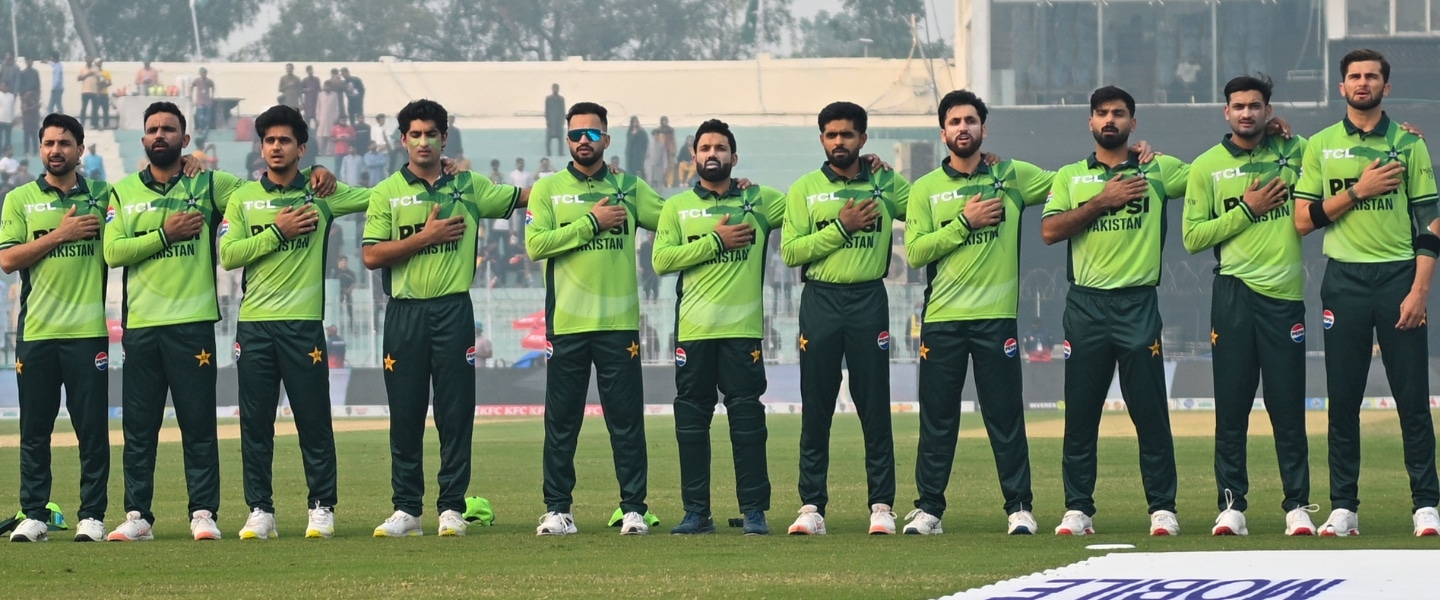
Pakistan's one-day international setup has been the subject of fresh debate after another short-term arrangement was floated to address the team's batting concerns. The move is seen as a targeted response to a specific problem rather than an attempt to create a permanent fixture on the domestic calendar or to reverse the global decline in List A cricket.
Under captain Shaheen Afridi, Pakistan has played four ODI series, all in Asia, winning the three staged at home. That record was compiled as preparation for a World Cup in Africa, largely in South Africa, where conditions are expected to differ sharply from those the squad has recently encountered.
The opening position has been the most visible area of experimentation. Across the four series, Pakistan used three different opening partnerships. Fakhar Zaman and Saim Ayub featured most often and scored the most runs, but both missed the recent series against Australia and Bangladesh for fitness reasons.
In their absence, Haseebullah Khan, Maaz Sadaqat and Sahibzada Farhan were given opportunities. Haseebullah played just one match, while the other two were handed six games each so the team management could assess them, particularly with Fakhar and Saim expected to return. Maaz made the most of those chances, showing attacking intent by taking on Nahid Rana in Bangladesh and producing fluent off-side drives against Australia on slower home pitches, including against spinner Kuhnemann.
That form could establish Maaz as a third opener behind Saim and Fakhar, with his bowling offering an added advantage that allows him to slot into Saim's role if needed and preserve the team's balance. Saim, however, has struggled across formats and carried that slump into 50-over cricket, including a below-par showing in the Champions Cup. His return to form could still see him reclaim the opening slot, while Sahibzada's strong performances in the National Champions Cup, despite limited international returns in this format, add further competition for places.
Attention now shifts to the middle order, where selectors face tougher calls as they weigh recent domestic form against international production. The coming series are expected to clarify which combination Pakistan takes into the World Cup under conditions very different from those at home.
The story so far Africa
- Nearly 2,200 Migrants Reach Spain's Canary Islands in Two Days
- Egypt Offers Pakistan Access to US Market via Manufacturing Partnerships