Pakistan's Electricity Output Rises 5.1% Despite Higher Costs in August
Pakistan recorded a 5.1% year-on-year increase in electricity generation in August 2026, while the average generation cost surged by 38%.
21 September 2026, 2:50 pm

Electricity generation in Pakistan reached 14,943 gigawatt hours (GWh) in August 2026, indicating a 5.1% increase compared to August 2025, when the figure stood at 14,218 GWh.
According to a report by Arif Habib Limited (AHL), this growth was primarily driven by higher hydel and coal power output. However, the total cost of electricity generation climbed by 38% year-on-year, reaching Rs10.01 per kilowatt hour (KWh) in August 2026, up from Rs7.27 per KWh in the same month last year.
On a monthly basis, power output dipped slightly by 1% from July 2026. Despite this, AHL noted that generation exceeded the National Electric Power Regulatory Authority (NEPRA) reference, which was supported by factors such as lower tariffs, increased industrial and agricultural consumption, and improved economic activity. Large-scale manufacturing saw a 3% year-on-year rise in July 2026.
AHL attributed the higher cost of power generation to an increase in the use of re-gasified liquefied natural gas (RLNG) and furnace oil, combined with higher global oil prices. As a result, distribution companies requested a positive fuel cost adjustment (FCA) of Rs1.73 per KWh for August 2026. Nonetheless, there was a 7% decrease in power generation costs compared to July 2026, when the rate was Rs10.75 per KWh.
In the breakdown of the generation mix for August, hydropower remained the largest source, accounting for 38% of the total, with output rising to 5,654 GWh. According to AHL, this marks the second highest hydel output for August and was 17% above the long-term average. Coal contributed 27%, nuclear 10%, gas 9%, RLNG 7%, wind 6%, and solar 1%.
Coal-based generation saw a sharp rise, with total output at 3,956 GWh in August 2026, up 53% from the previous year. Notably, imported coal generation more than doubled, reaching 2,330 GWh, while local coal generation rose to 1,626 GWh. AHL highlighted that the increased reliance on coal was due to reduced availability of RLNG and higher LNG prices.
More from Business

Petrol and Diesel Prices Reduced by Petroleum Division
4 hours ago

Government Reduces Petrol and Diesel Prices
11 hours ago

BoI Minister Voices Frustration Over Unresolved Business Community Concerns
19 hours ago
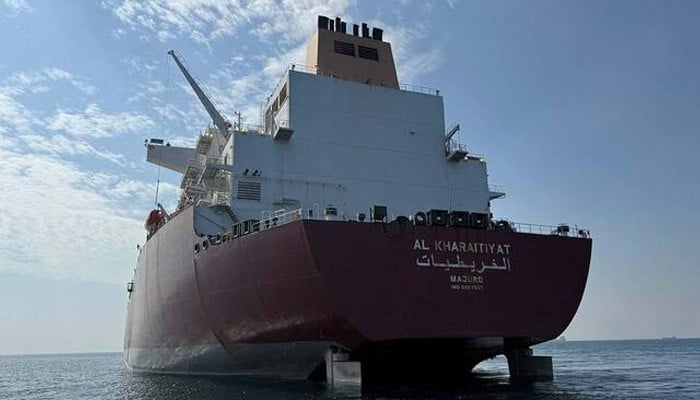
Second Qatari LNG Shipment En Route to Pakistan Amid Gas Constraints
22 hours ago