Trump Turns Down Iranian Offer to Reopen Strait of Hormuz
US President Donald Trump has rejected an Iranian proposal to reopen the Strait of Hormuz and halt hostilities in the Middle East, with the offer conveyed at the UN General Assembly via Qatari mediators.
26 September 2026, 10:59 pm
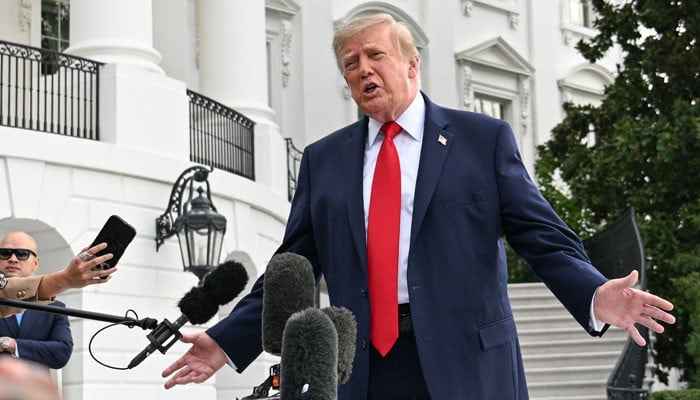
US President Donald Trump said on Saturday that he has rejected an Iranian proposal to reopen the Strait of Hormuz and end regional fighting. The offer, delivered through Qatari mediators at the UN General Assembly in New York, outlined a plan to reopen the strategic waterway and achieve a seven-day cessation of hostilities.
Trump told reporters at the White House, "I reject their proposal. ... I rejected their deal," and added, "They want to make a deal to open the Hormuz Strait immediately because they're losing so badly. We're winning tremendously." He asserted that Iran was motivated by financial necessity, as the Strait is a key source of revenue.
The United States has maintained an economic blockade on Iran to pressure Tehran into lifting its own blockade of the Strait of Hormuz, which has led to a significant decrease in shipping through the vital channel. Trump reiterated his belief that the US has control over the area.
According to The Wall Street Journal, unnamed US officials said Trump remained sceptical Iran would agree to his terms and has told staff he sees the possibility of renewed military action after the upcoming US midterm elections. A US official separately described previous discussions with Iran as "positive and constructive."
Iranian Foreign Minister Abbas Araqchi stated at the UN that the proposed deal could mark the start of a seven-day countdown to reopening the Strait and a pause in fighting, should the US agree. He said that this could also open the door to broader negotiations, potentially including Iran’s nuclear programme. However, a senior Iranian official told Reuters that Iran would not show flexibility over its nuclear activities.
Iranian President Masoud Pezeshkian, in an interview on CBS's 'Face the Nation,' said Tehran was willing to negotiate on its nuclear programme and other issues but would not submit to "bullying or coercion." Pezeshkian emphasised that Iran does not seek war but is prepared to defend itself against external pressure and threats.
The ongoing conflict, which started on February 28 following US and Israeli actions, has resulted in thousands of casualties, significant damage to Iran's conventional forces, and further strain on its economy. Iran and its allies have responded with actions across the region, including drone and missile strikes targeting Gulf nations and Saudi interests.
More from World
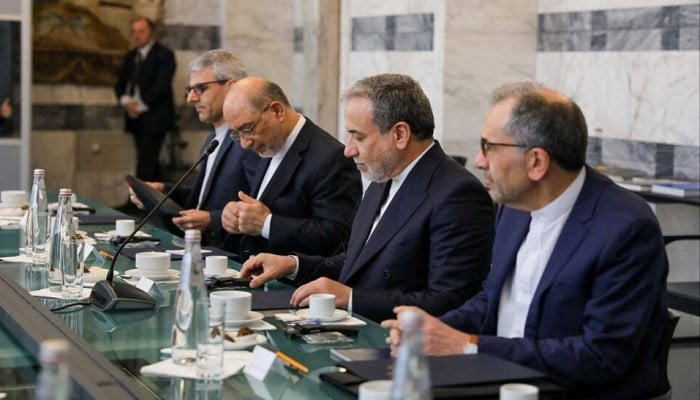
Iran Reaffirms Diplomatic Approach Amid Standoff Over Strait of Hormuz
30 minutes ago
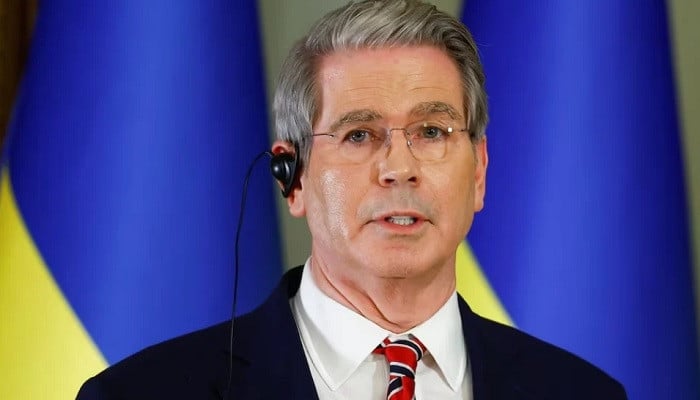
US Reports Progress in Efforts to Isolate Iran's Airlines and Banks
3 hours ago
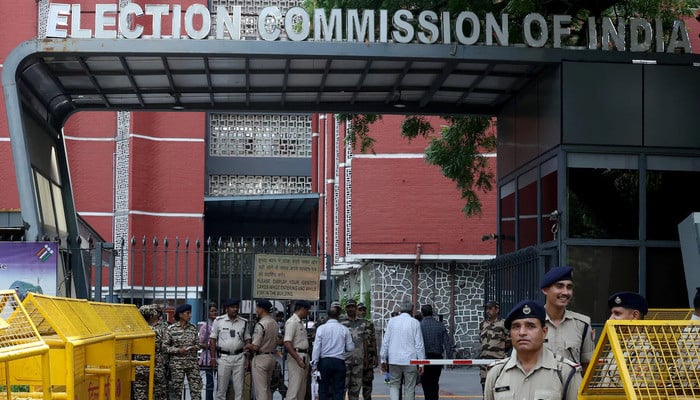
India Orders Review of Voter List Software Amid Concerns
7 hours ago

Pakistan, Saudi Arabia and Turkiye Pledge Enhanced Defence Cooperation
21 hours ago