ADB Forecasts Pakistan's GDP Growth at 3.7% for FY2027
ADB projects Pakistan's economic growth to hold at 3.7% in FY2027, citing ongoing Middle East conflict and inflation concerns.
23 September 2026, 11:53 am

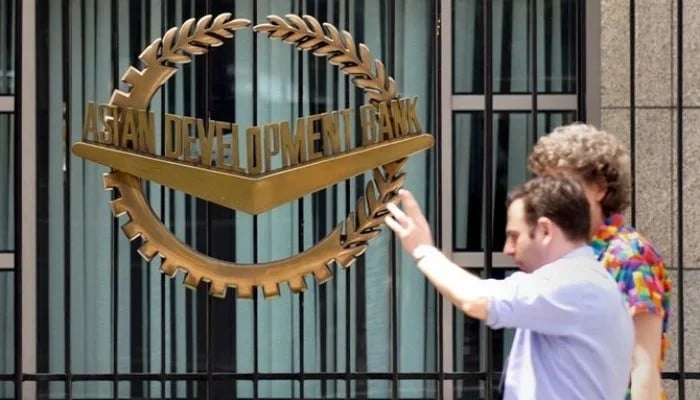
The Asian Development Bank (ADB) has projected that Pakistan’s gross domestic product (GDP) will grow by 3.7% in the fiscal year 2027, according to its latest Asian Development Outlook released in September. The report cites persistent effects from the Middle East conflict as a factor restraining economic momentum, alongside ongoing inflationary pressures.
According to the ADB, rising energy and logistics costs, as well as challenges facing the exchange rate, may complicate Pakistan’s path to economic recovery in the upcoming years. Private investment is anticipated to be the main driver of demand, building on an 8.6% increase experienced in the previous year, FY2026.
The outlook highlights that reforms such as the National Tariff Policy 2025-2030’s reductions on industrial input tariffs and a lower corporate tax burden following the super tax cut should enhance investment prospects. However, household consumption is expected to remain limited, with real incomes affected by the pass-through of high global energy prices.
The report notes that Pakistan’s services sector is expected to stay resilient, relying on strong information technology exports, while manufacturing may slow due to increased production costs linked to elevated energy prices. The construction sector is forecast to benefit from budgetary incentives, including reduced property transaction taxes and higher subsidies under the Prime Minister’s housing programme.
ADB forecasts inflation to reach 8.3% in FY2027, above the State Bank of Pakistan’s medium-term target range of 5% to 7%. The assumption is for inflation to gradually moderate after June 2026, but elevated domestic fuel and logistics expenses along with rising international fertilizer prices are expected to sustain cost pressures. Economic recovery and increasing import costs could also place additional strain on the exchange rate, fuelling imported inflation.
The ADB report also states that Pakistan’s fiscal year 2027 budget aims for a consolidated fiscal deficit of 3.6% of GDP and a primary surplus of 2%, aligning with IMF programme targets. The Federal Board of Revenue (FBR) is targeted to grow tax collections by 17.6%, though the ADB described this target as ambitious and dependent on improved compliance and enforcement.
Looking forward, Pakistan’s gross international reserves are projected to exceed $21 billion by the end of June 2027, providing a buffer of about 3.3 months of import cover. However, the ADB warns that a further escalation of the Middle East conflict could raise energy import costs and amplify inflation. The lender also identified global financial tightening, possible revenue shortfalls, agricultural shocks, and delays in reforms as ongoing risks to the country’s outlook.
More from Business

Pakistan and IMF Begin Review of $7 Billion Loan Programme
6 hours ago
ADB Retains Pakistan's GDP Growth Forecast at 3.7%, Highlights Energy Risks
9 hours ago

Petrol and Diesel Prices Reduced by Petroleum Division
14 hours ago

Government Reduces Petrol and Diesel Prices
21 hours ago