ADB Retains Pakistan's GDP Growth Forecast at 3.7%, Highlights Energy Risks
The Asian Development Bank has kept Pakistan's GDP growth forecast at 3.7% for fiscal year 2027, noting the importance of reforms and strong reserves while cautioning about energy costs and external uncertainties.
23 September 2026, 10:41 am
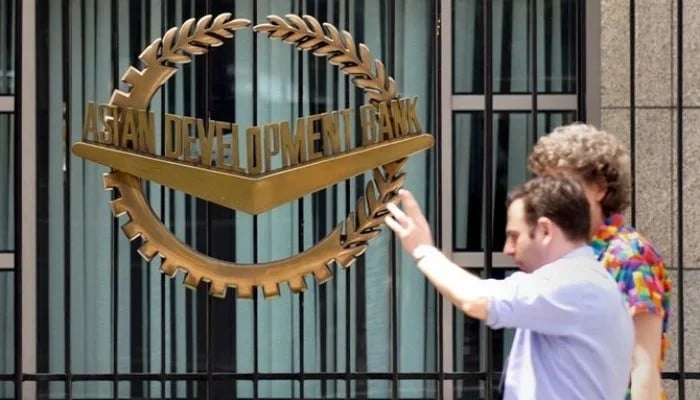
The Asian Development Bank (ADB) has maintained its forecast for Pakistan’s economic growth at 3.7% for the ongoing fiscal year 2027. In a recent report, the bank noted that continued economic reforms and stronger foreign exchange reserves are contributing positively to the country’s economic prospects.
The ADB observed that Pakistan's economic performance improved in the previous fiscal year, with GDP climbing from 3.2% in 2025 to 3.7%. The bank credited this broad-based growth to recoveries in the services and manufacturing sectors, as well as gains in agriculture.
Despite the progress, the report highlighted that the Middle East conflict slowed economic activity in the last quarter of the previous year. Nevertheless, economic reforms, stronger reserves, and renewed access to international capital markets were identified by the ADB as factors supporting Pakistan’s outlook.
The report suggested that an improved sovereign credit rating could encourage higher private investment. However, the ADB cautioned that expensive energy and ongoing external uncertainties could limit the speed of economic growth.
In fiscal year 2026, growth was supported by the expansion of manufacturing and services. Despite facing floods, the agriculture sector achieved a 2.9% growth rate, while private investment increased by 8.6%, helped by lower interest rates and improved business sentiment.
The ADB also reported that Pakistan's international reserves have strengthened, increasing the country's ability to manage external pressures. Across developing Asia and the Pacific, the ADB expects growth to moderate from 5.5% in 2025 to 5% this year, before rising slightly to 5.1% in 2027.
Commenting on the regional outlook, ADB President Masato Kanda stated that increased risks—such as the impact of a strengthening El Nino leading to smaller harvests and reduced hydropower—would likely push food and energy prices higher, particularly affecting vulnerable populations. Kanda emphasized the need for governments to protect those most exposed to these potential challenges.


