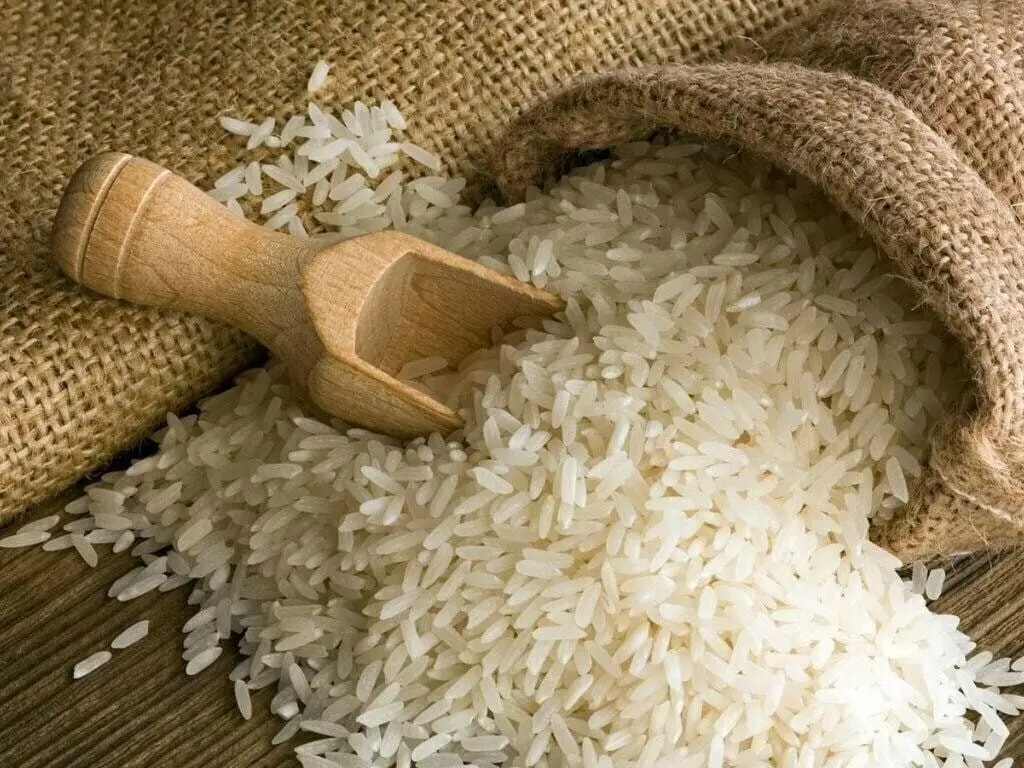
Basmati battle: Australian court rejects India’s plea as Pakistan secures major legal win
An Australian court rejected India's bid to monopolize the Basmati name, upholding Pakistan's right to use the geographical indication. This decision protects Pakistan's Basmati export interests.
In a key development for Pakistan’s rice exports sector, India’s attempt to monopolise the Basmati name failed after an Australian court rejected an appeal filed by an Indian body.
The Ministry of Commerce welcomed the decision of the Federal Court of Australia, which dismissed the appeal filed by India’s Agricultural and Processed Food Products Export Development Authority (APEDA) in the Basmati word mark case, read a statement on Wednesday.
The court also ordered APEDA to pay the respondent’s costs, as agreed or taxed.
“The decision vindicates Pakistan’s principled and consistently maintained position regarding Basmati as a geographical indication,” the Ministry of Commerce said.
APEDA had applied to register the word Basmati as a certification trade mark for rice in Australia.
The application was rejected by a delegate of the Australian Registrar of Trade Marks on December 22, 2022 on the ground that the word Basmati could not distinguish rice certified by APEDA from Basmati rice legitimately produced and marketed by other traders.
Ownership, trademark rights of Basmati rice: New Zealand High Court rejects India’s plea
APEDA subsequently challenged the decision before the Federal Court of Australia.
The registrar’s decision expressly recognised that Basmati rice is also grown in Pakistan and that Pakistani traders have an equally valid claim to use the term, said the commerce ministry.
By dismissing APEDA’s appeal, the federal court has upheld these findings, it added.
“The outcome constitutes a significant victory for Pakistan’s position that Basmati originates from a historically recognised growing region spanning areas of Pakistan and India, and that no single national authority can claim an exclusive right over the word Basmati to the exclusion of producers and exporters having an equally legitimate right to its use,” read the statement.
The Ministry of Commerce has consistently opposed Indian attempts to claim exclusive rights over the Basmati name in international markets and has coordinated with the relevant national institutions and stakeholders to safeguard Pakistan’s legitimate interests.
The outcome protects the commercial and intellectual-property interests of Pakistan’s Basmati growers, millers and exporters and preserves their right to market authentic Pakistani Basmati in Australia.
The Commerce ministry said it will continue to safeguard Basmati as an important part of Pakistan’s agricultural heritage and export identity and pursue its protection in foreign jurisdictions based on its historical origin, established reputation and distinctive qualities.
Federal Minister for Commerce Jam Kamal termed the outcome an important achievement for Pakistan’s agricultural heritage, commercial interests, and export identity.