Pakistan's New EV Policy Faces Pressure as Industry Players Seek Higher Taxes on Electric Vehicles
Sources say a coordinated campaign is pushing the FBR and IMF to raise sales tax on new energy vehicles, potentially delaying Pakistan's shift to electric mobility under the proposed Auto Policy 2026–31.
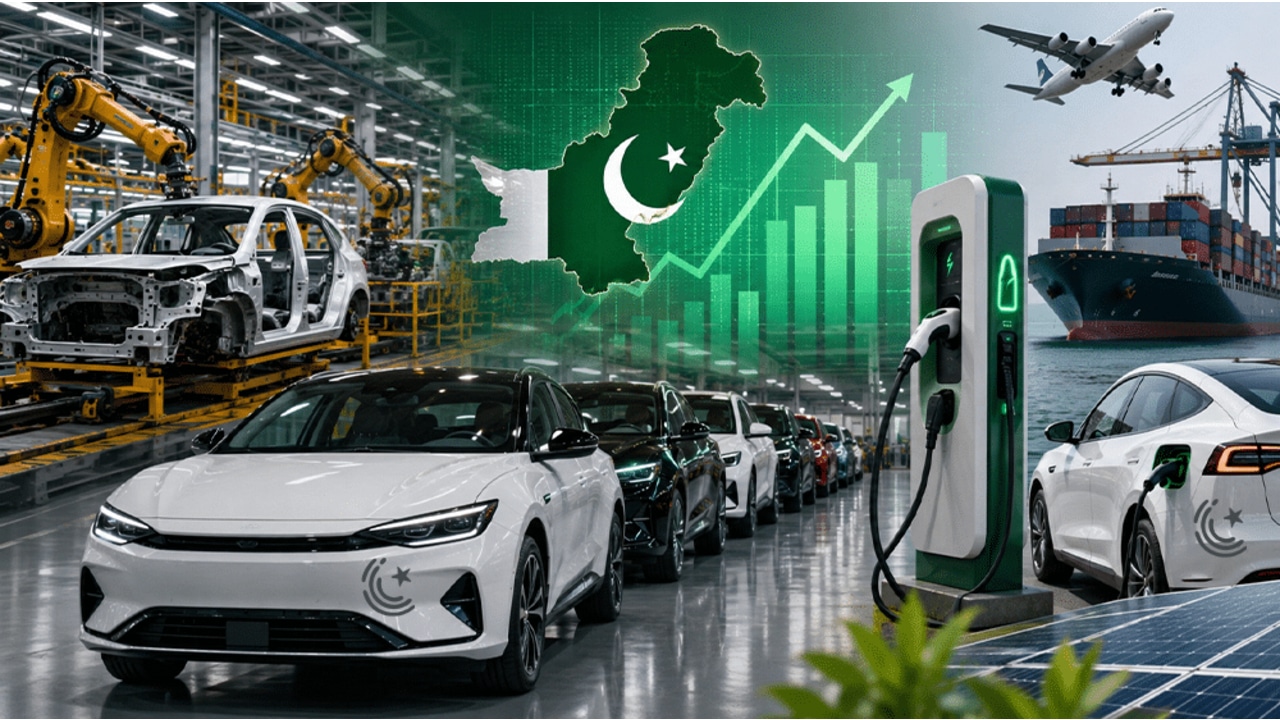
Pakistan's proposed Auto Policy 2026–31 is reportedly under intense pressure from certain industry players who are urging the Federal Board of Revenue (FBR) and the International Monetary Fund (IMF) to delay the country's transition to new energy vehicles (NEVs), according to sources cited by ProPakistani. The sources describe a coordinated campaign aimed at pushing for a higher sales tax on NEVs, a move that could threaten the incentives designed to encourage electric mobility in the country.
The draft policy introduces differentiated tax treatment across vehicle categories. Battery electric vehicles, range-extended vehicles and plug-in hybrids would each fall under separate fiscal arrangements. The government previously turned down an IMF proposal to apply a uniform 18 percent sales tax on electric vehicles. Instead, the draft proposes a 6 percent sales tax on range-extended vehicles and 9 percent on plug-in hybrids.
Beyond taxation, the policy also seeks to lower customs duties on eligible imported electric vehicles and to broaden financing opportunities for buyers. These measures are intended to make electric vehicles more accessible and to accelerate the development of a domestic EV market. Sources warned that reversing these incentives could undermine Pakistan's EV transition at a critical early stage.
The reported lobbying effort highlights a broader debate over how quickly Pakistan should move away from conventional combustion-engine vehicles and how the fiscal burden of that shift should be shared. Supporters of the incentives argue that lower taxes and duties are essential to build consumer demand and attract investment in charging infrastructure and local assembly.
The outcome of the discussions between the FBR, the IMF and industry stakeholders will determine the final shape of the Auto Policy 2026–31. For now, the policy remains in draft form, and the government has not announced any change to the proposed tax structure for new energy vehicles.
The development is being closely watched by automakers, importers and prospective EV buyers, as the final tax treatment will directly affect vehicle prices and the pace of electrification in Pakistan's transport sector.