
The Khyber Pakhtunkhwa (KP) Health Department has issued an urgent advisory to all hospitals and healthcare facilities across the province, warning of a potential outbreak of seasonal influenza (H3N2) and providing detailed guidelines for early detection, patient management, and laboratory testing.
The advisory directs district health officers, medical superintendents of district headquarters hospitals, and medical directors of teaching hospitals to immediately send samples from suspected influenza patients to the Public Health Reference Laboratory (PHRL) at Khyber Medical University. This measure aims to ensure timely detection of H3N2 cases and enable rapid containment of potential outbreaks.
Influenza, commonly referred to as the flu, is an acute viral respiratory illness caused by influenza A and B viruses, responsible for seasonal epidemics worldwide. The advisory specifically highlights influenza A subtype H3N2, which is known for higher transmissibility and the potential to cause more severe illness, particularly among vulnerable populations such as children, pregnant women, older adults, and individuals with underlying medical conditions.
According to the Health Department, Pakistan is currently witnessing a rise in influenza-like illness (ILI) and severe acute respiratory infection (SARI) cases. Nationwide, 340,856 suspected ILI cases have been reported, of which approximately 12 percent have tested positive for H3N2. The advisory cautions that the ongoing flu season could escalate due to factors such as limited access to healthcare services, inadequate infection prevention and control practices in some healthcare settings, and low public awareness about preventive measures.
The department emphasized that seasonal influenza, including H3N2, generally causes mild to moderate illness but can progress rapidly to severe disease in high-risk groups. The virus primarily spreads through respiratory droplets expelled when an infected person coughs or sneezes, as well as aerosols and contact with contaminated surfaces, followed by touching the nose, mouth, or eyes. Transmission is particularly likely in crowded, poorly ventilated areas.
High-risk groups identified in the advisory include:
Individuals aged 65 years and above
Children under five years of age
Pregnant women
Obese individuals
Immunocompromised patients, including those living with HIV/AIDS or undergoing chemotherapy
People with chronic medical conditions such as cardiovascular, pulmonary, or renal disorders
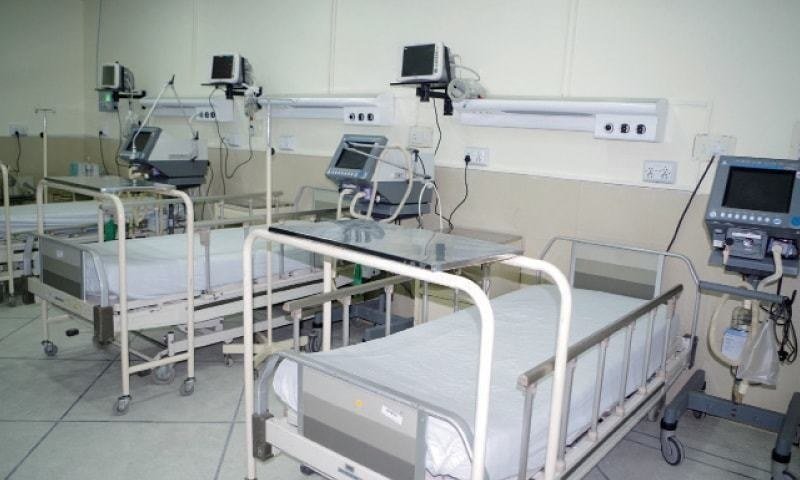
Healthcare facilities have been advised to prepare for a potential surge in patients presenting with flu-like symptoms, ensuring sufficient staffing, isolation procedures, and medical supplies. Hospitals are also instructed to implement strict infection prevention and control practices, including the use of personal protective equipment (PPE), proper hand hygiene, and surface disinfection.
Additionally, the public is urged to take preventive measures such as receiving the influenza vaccine if eligible, wearing masks in crowded settings, practicing respiratory hygiene, avoiding close contact with symptomatic individuals, and seeking medical attention promptly if severe symptoms develop.
The KP Health Department stressed that early identification and isolation of cases, combined with public awareness and vaccination campaigns, are critical to mitigating the impact of the H3N2 influenza season and preventing a widespread outbreak.