Gaza Students Resume In-Person Classes After Three-Year Hiatus
Hundreds of thousands of Gaza students have returned to in-person schooling after nearly three years, despite damaged facilities and a shortage of basic educational materials.
22 September 2026, 7:04 pm
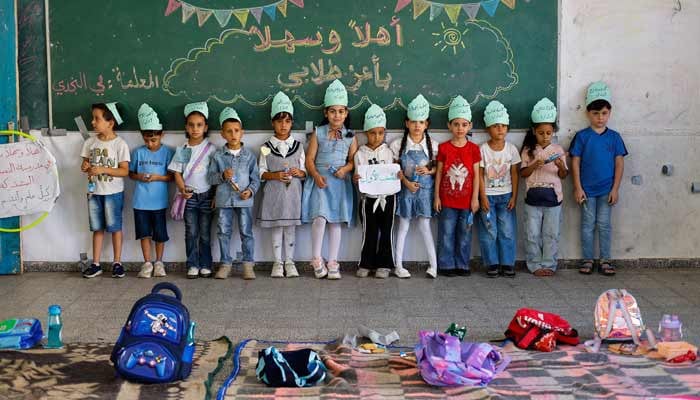
Hundreds of thousands of children in Gaza resumed in-person classes on Saturday for the first time in almost three years, with many attending lessons in damaged buildings or makeshift facilities such as tents. For numerous families, purchasing essentials such as uniforms, notebooks, and pens is now unaffordable.
According to the United Nations Children’s Fund (Unicef), 98% of schools in Gaza have been either destroyed or damaged during the conflict. Local education officials report that around 660,000 students have missed out on regular, in-person instruction.
Ibrahim Ramadan, director of education for East Khan Younis, stated that the conflict has killed approximately 22,000 students and more than 770 education workers, including 532 teachers. Despite these losses, the Ministry of Education, with the support of international and local organisations, has commenced the 2026-27 academic year by setting up dozens of temporary schools out of tents, tarpaulins, sheet metal, and wood.
Gaza student Moayed Abu Mustafa in Khan Younis shared, “The last time I have been to school was three years ago. Now, we are starting the school year; it is a year of joy, happiness and success.” He described sitting on the floor in a tent without proper ventilation or supplies, yet expressed determination to continue learning. Samar Abu Salmi, a 15-year-old student living in a tent, said, “We studied on phones, and we haven’t seen our teachers... now, we are back pursuing our dream... from one tent to another.”
Estimates suggest at least 540,000 students will attend in-person classes this year in makeshift private schools, temporary learning centres, and educational points, under the support of Unicef and education officials. Online learning remains available for students unable to return to physical classrooms or who have left Gaza due to the conflict.
Stationery trader Khaled Aliyan highlighted the impact of Israeli import restrictions, stating, “This notebook, which used to cost 3 shekels ($1), now costs 15 (shekels). All stationery items are expensive.” The Israeli Cogat military agency, which manages access to Gaza, did not respond to a request for comment regarding supply restrictions and strikes on schools.
More from World
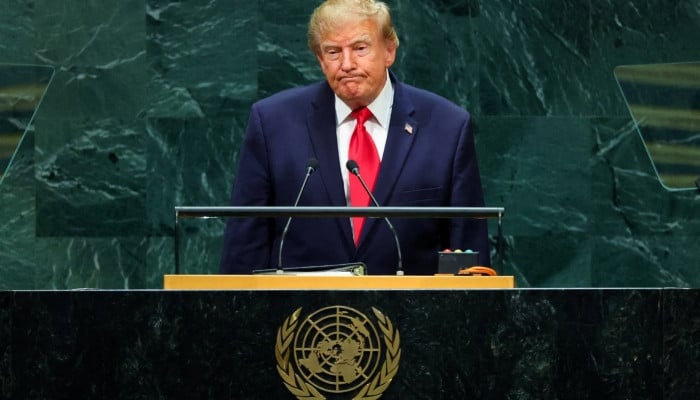
Trump Warns of Possible Annihilation of Iran, Hints at Diplomatic Solution at UN
4 hours ago

Donald Trump Praises PM Shehbaz Sharif and Pakistan at UNGA
13 hours ago
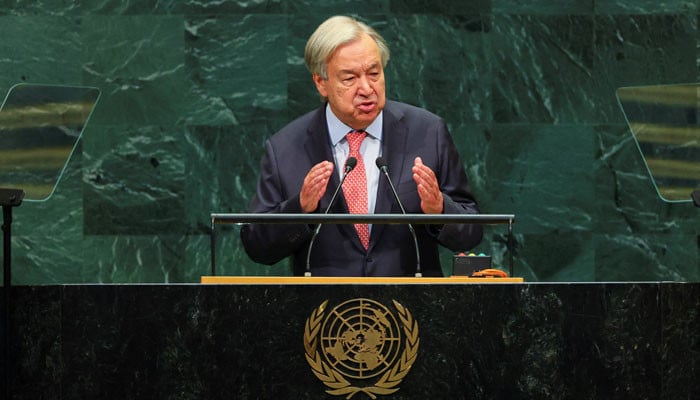
UN Chief Urges AI Regulation and End to Conflicts in Final Assembly Address
15 hours ago

Iraqi Oil and Port Activity Slows as Regional Conflict Disrupts Basra
16 hours ago