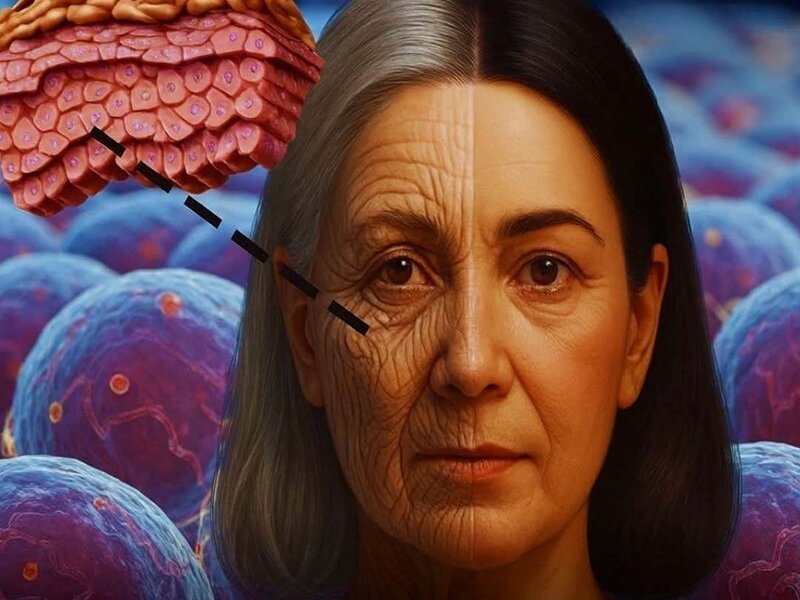
Scientists at the Babraham Institute in Cambridge have made a major breakthrough in the field of anti-ageing and regenerative medicine by successfully reversing the biological age of human skin cells by approximately 30 years. This advancement is significant because it demonstrates the potential to rejuvenate cells without compromising their identity or function, a challenge that has long limited progress in anti-ageing therapies.
The research focused on fibroblasts, which are a type of skin cell responsible for producing collagen and maintaining the structural integrity of the skin. Fibroblasts naturally lose functionality as they age, contributing to wrinkles, reduced healing capacity, and other age-related cellular deterioration. By rejuvenating these cells, scientists aim to restore their youthful properties, which could have far-reaching implications for tissue regeneration and overall health.
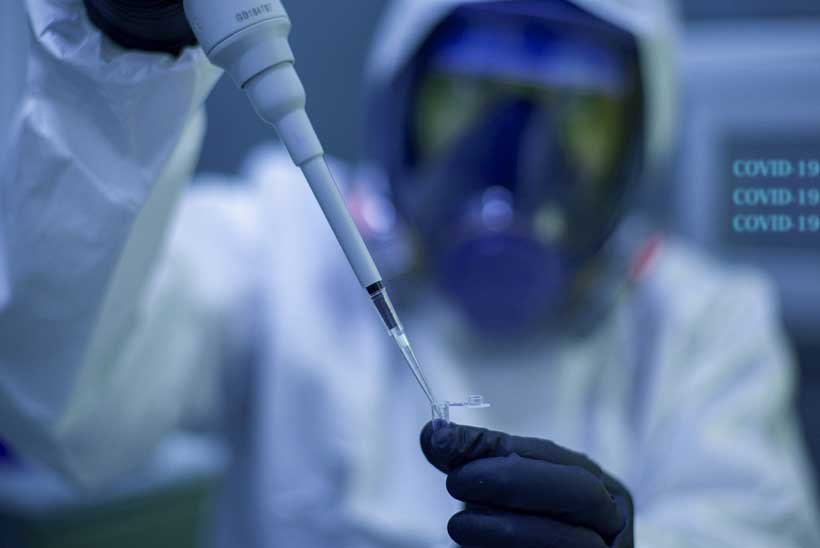
The team utilized a technique called partial cellular reprogramming, which relies on Yamanaka factors—a set of molecules historically used to convert adult cells into induced pluripotent stem cells (iPSCs). Normally, full reprogramming transforms mature cells into a stem-cell-like state, erasing their original identity and function. However, in this study, the researchers carefully controlled the process and stopped it early, preventing the cells from fully losing their specialized characteristics.
The results were striking: the treated fibroblast cells exhibited key markers of youth, including improved gene expression profiles, enhanced energy metabolism, and more robust cellular repair mechanisms. Essentially, the cells behaved as though they were decades younger while still performing their original functions, such as producing structural proteins necessary for healthy skin.
This approach could pave the way for revolutionary anti-ageing therapies. Unlike traditional cosmetic or topical treatments, which only target surface signs of ageing, partial reprogramming addresses ageing at the cellular level. It could potentially improve tissue regeneration, enhance wound healing, and even mitigate age-related diseases in the long term.
The research also highlights a critical safety aspect: by stopping reprogramming early, the risk of cells turning into tumors—a concern with full stem cell conversion—is significantly reduced. This makes the method a promising candidate for future clinical applications.
While the current study was conducted in laboratory conditions, it lays the foundation for future work aimed at applying this technology to living tissues and, eventually, human patients. If successful, it could mark a paradigm shift in how we approach ageing, moving from simply managing its symptoms to reversing its cellular effects.
In short, this research not only demonstrates that age can be partially reversed at the cellular level but also offers a glimpse into a future where regenerative medicine could dramatically extend healthy human lifespan.