
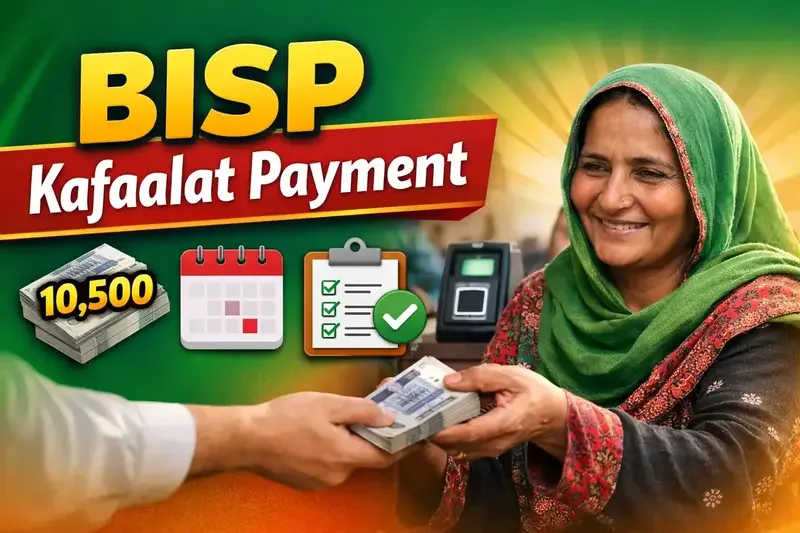
The BISP Kafaalat Payment 2026 continues to be a vital source of financial support for low-income families across Pakistan, particularly women-led households. Many beneficiaries want to know when payments will be released, how much they will receive, and how they can check their payment status using their CNIC. This program operates under the Benazir Income Support Programme and is designed to provide direct cash assistance to families struggling with food costs, healthcare expenses, and other basic needs.
In 2026, the government has maintained the enhanced quarterly payment amount to help families cope with inflation and rising living costs. Eligible beneficiaries receive Rs. 10,500 every three months under the regular Kafaalat payment, while Taleemi Wazaif for children are provided separately to families that meet the education-related criteria. Payments are released in quarterly phases throughout the year and are issued district by district, making it important for beneficiaries to check their status before visiting any payment center.
The payment schedule for 2026 follows the standard quarterly cycle, covering January to March, April to June, July to September, and October to December. Not all districts receive payments at the same time, so verification through official channels is necessary to avoid unnecessary travel or delays. The program prioritizes transparency and controlled distribution to ensure funds reach deserving families.
Eligibility for the BISP Kafaalat Payment 2026 is determined through poverty data and verification systems. Applicants must be Pakistani citizens with a valid CNIC, belong to households earning below the official poverty threshold, and have no government employment, large property, or registered business in the family. Preference is given to female heads of households, and successful completion of the Dynamic Survey is mandatory. Women who were previously declared ineligible can reapply after updating their information through the survey process.
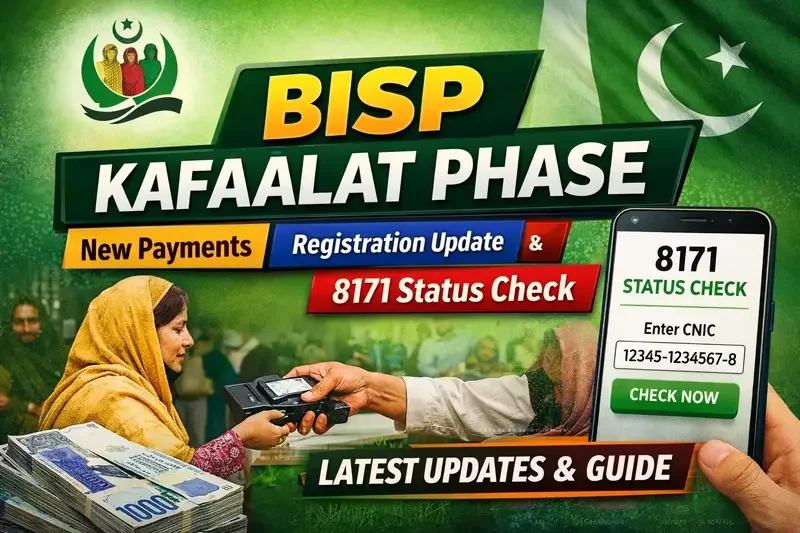
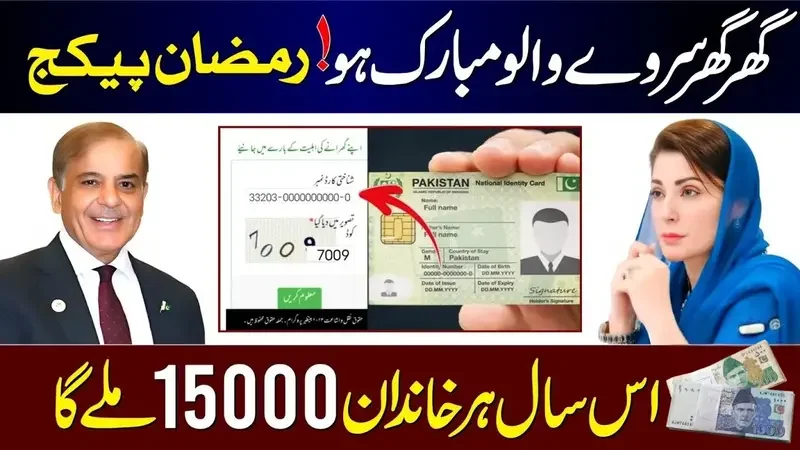
Beneficiaries can check their payment and eligibility status using simple and free methods. The most common option is sending the 13-digit CNIC number via SMS to 8171, which works on all mobile phones and provides a quick response. Payment status can also be checked through the official online portal by entering the CNIC number, which is more convenient for smartphone and internet users. If these options do not work, beneficiaries can visit the nearest BISP office or payment center with their original CNIC for manual verification.
Payments are distributed through secure channels, including biometric verification at payment camps, partner bank ATMs, authorized retail outlets, and mobile payment units in remote areas. Biometric verification is compulsory to receive the full payment amount and helps prevent fraud or unauthorized deductions. In case of biometric failure, beneficiaries are advised to update their fingerprints at a NADRA office before trying again.
Some beneficiaries face issues such as payments showing as released but not received or being marked ineligible by mistake. These problems are usually resolved by waiting a short period, contacting BISP support, or reapplying through the Dynamic Survey at the tehsil office. The government has strengthened monitoring systems in 2026 by expanding biometric coverage, improving digital tracking, speeding up complaint resolution, and giving special attention to widows and women with disabilities.
The BISP Kafaalat Payment 2026 remains a crucial safety net for millions of households in Pakistan. By understanding the payment amount, release schedule, eligibility rules, and official verification methods, beneficiaries can avoid delays, protect themselves from fraud, and receive their full financial assistance with confidence.





























Comments (1)