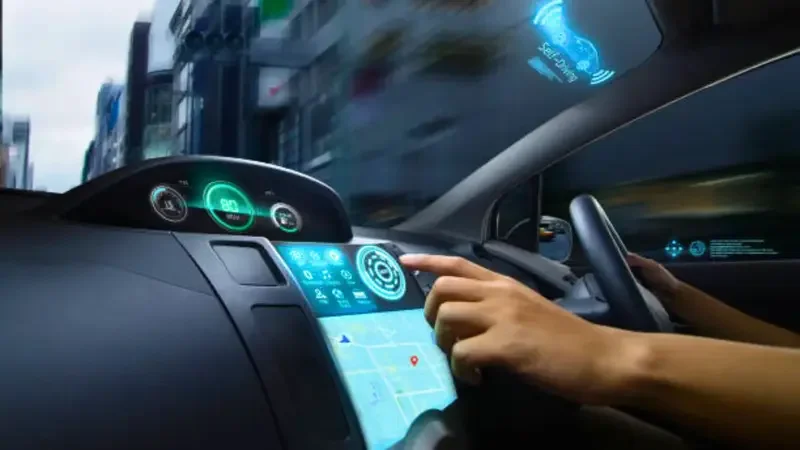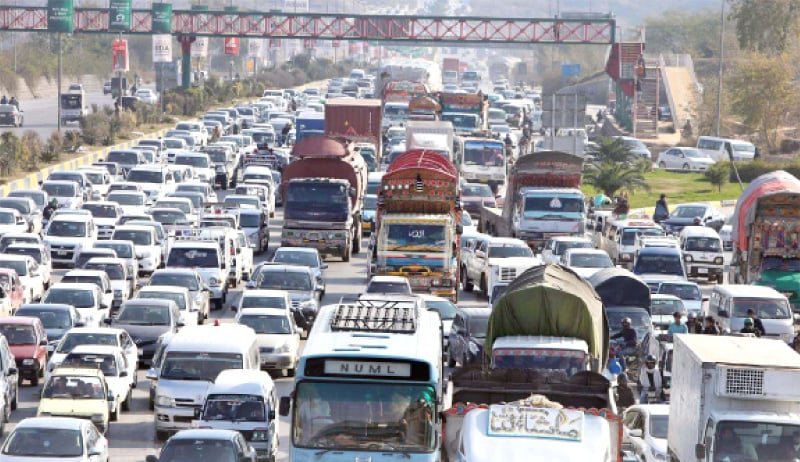
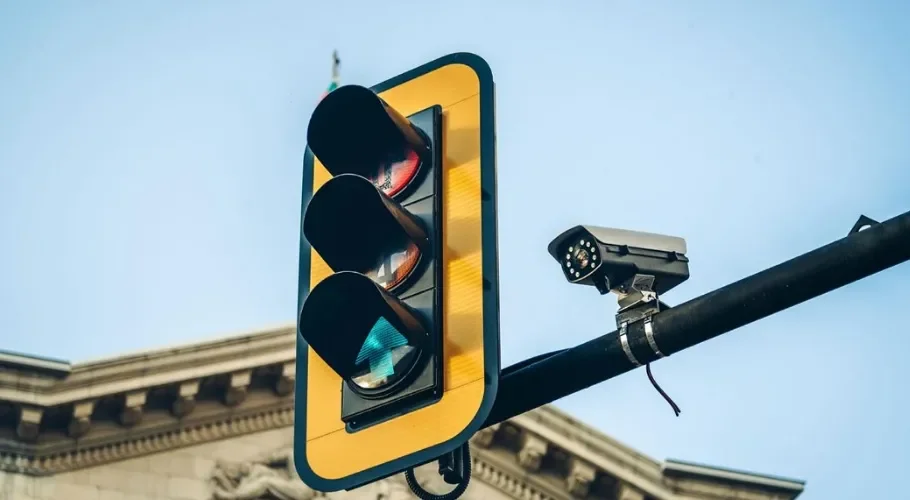
Karachi has taken a significant step toward modernizing its urban transport network by installing the city’s first smart traffic signal at the PIDC intersection, one of the busiest areas in the metropolis. This new system is designed to drastically reduce long waiting times, improve traffic flow, and enhance overall road safety. Unlike conventional traffic signals that follow fixed timing patterns, the smart traffic signal uses advanced sensors and real-time data analytics to monitor the flow of vehicles at the intersection.
By analyzing traffic density, vehicle speed, and congestion patterns, the system automatically adjusts signal durations to prioritize heavier traffic streams while minimizing delays for less crowded lanes. During peak hours, this adaptive functionality helps prevent bottlenecks that commonly occur in Karachi’s congested roads, reducing idle times for commuters and cutting down fuel consumption from prolonged idling.
The installation at PIDC is part of a broader initiative by city authorities to modernize Karachi’s traffic management infrastructure. Officials hope the system will not only improve the daily commuting experience for thousands of motorists but also enhance pedestrian safety by providing smarter crosswalk timings. Over time, the success of the PIDC smart signal is expected to pave the way for the deployment of similar intelligent traffic systems at other high-traffic intersections across Karachi.
In addition to easing congestion, the system is equipped to collect valuable traffic data that can guide long-term urban planning decisions. Transportation authorities can analyze patterns to optimize future road layouts, implement effective congestion mitigation measures, and integrate additional smart technologies such as connected traffic lights, emergency vehicle prioritization, and AI-based predictive traffic control.
Overall, the launch of the PIDC smart traffic signal represents a crucial step toward transforming Karachi’s traditional road management into a more efficient, tech-driven, and sustainable urban transport system, benefiting both daily commuters and the city’s long-term infrastructure planning.