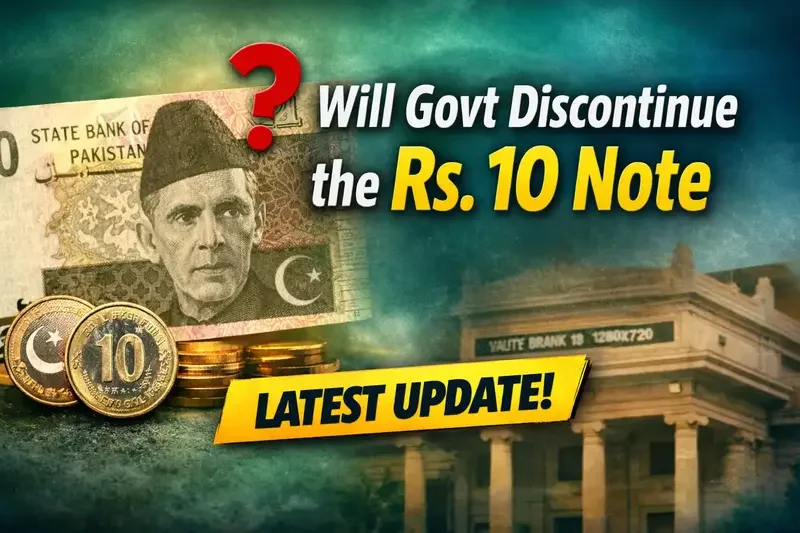
The question of whether the Rs. 10 note will be discontinued in 2026 has gained widespread attention across Pakistan, leading to confusion and concern among the public. The discussion intensified after the federal cabinet decided to review the future of low-denomination currency. This review, however, does not mean the Rs. 10 note has been banned or withdrawn, and it continues to remain legal tender throughout the country.
The Government of Pakistan has formed a special committee under the leadership of the finance minister to examine whether the Rs. 10 note should continue in its current form or be replaced with an alternative, such as a coin. The committee is operating under the Ministry of Finance and is tasked with conducting a detailed policy review rather than implementing any immediate change. No instructions have been issued to banks, and the public can continue using Rs. 10 notes as usual.
One of the main reasons behind this review is the rising cost of printing currency. Producing low-value banknotes has become increasingly expensive due to higher costs of paper, ink, security features, and transportation. In some cases, the expense of printing a Rs. 10 note is close to its face value, which places additional strain on public finances. Durability is another major concern, as Rs. 10 notes are heavily used in daily transactions such as transport fares and small purchases, often wearing out in less than two years. Frequent replacement further increases costs for the national exchequer.
The government is also considering international practices, as many countries have replaced low-denomination notes with coins. Coins have a much longer lifespan, often lasting between 20 and 30 years, making them more cost-effective over time despite higher initial minting costs. The committee is studying whether a similar approach would be suitable for Pakistan, taking into account public convenience, durability, and long-term savings.
The finance minister–led committee will compare the production and maintenance costs of paper notes and coins, assess the practicality of introducing a Rs. 10 coin, and review how such a change could affect daily transactions. Once the analysis is complete, the committee will submit its recommendations to the federal cabinet, which will make the final decision.
As of now, no final decision has been made regarding the discontinuation or replacement of the Rs. 10 note. There is no announced timeline, and any potential change would be implemented gradually to avoid public inconvenience. If a decision is approved in the future, existing Rs. 10 notes would remain usable for a considerable period, and banks would facilitate exchanges if required. There would be no sudden loss of value for the public.
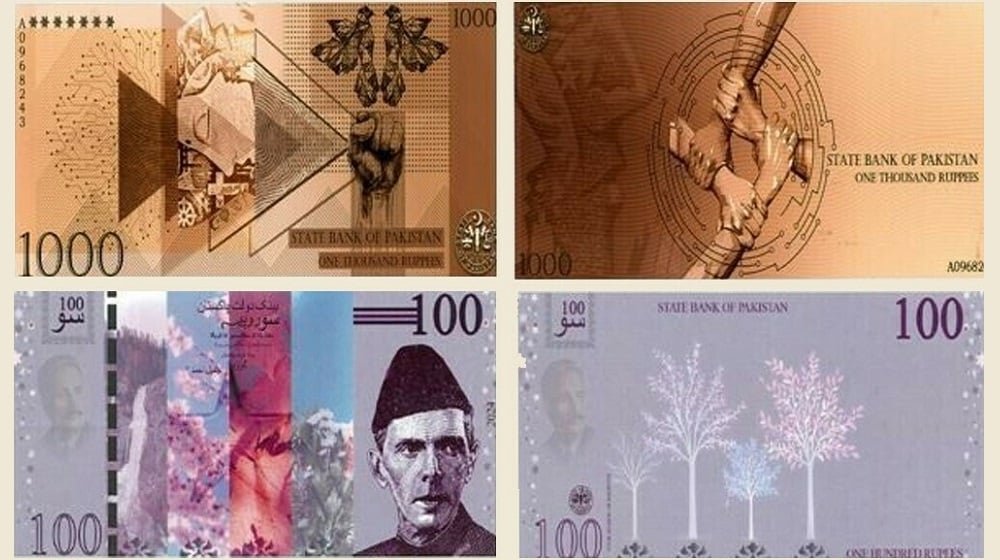
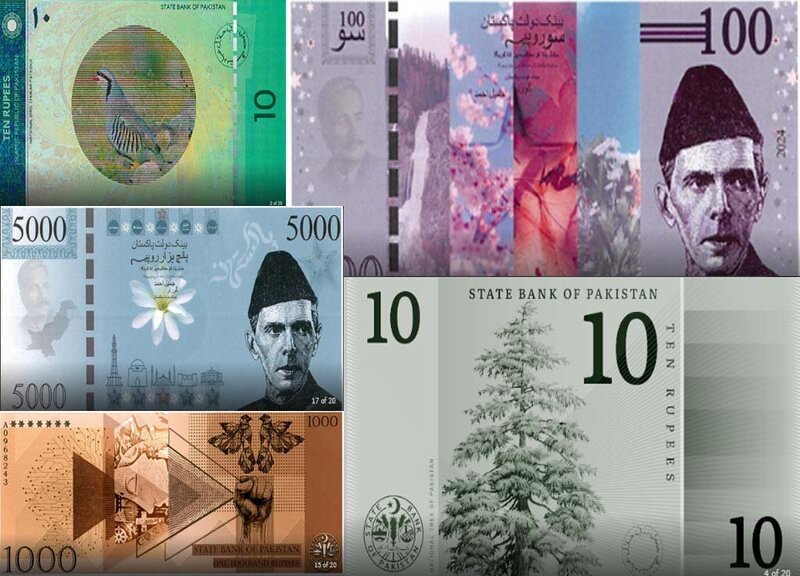
The State Bank of Pakistan, which manages currency issuance and circulation, has not issued a separate statement on the matter. However, any approved change would be carried out through official SBP channels, with clear communication to the public. While new currency designs have recently been approved, the review of the Rs. 10 note is a separate policy issue and is not directly linked to those design changes.
In summary, there is no confirmation that the Rs. 10 note will be discontinued in 2026. The government is simply reviewing costs, durability, and long-term efficiency before making any decision. Until an official announcement is made, the Rs. 10 note remains valid, legal, and safe to use across Pakistan.