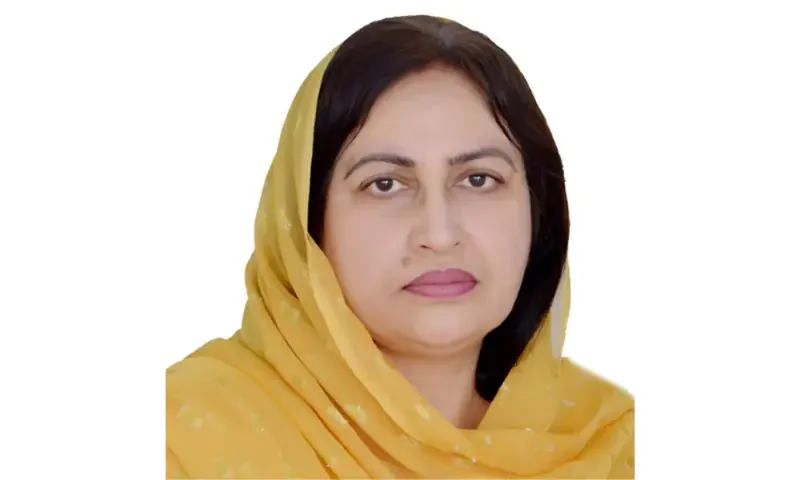
The Punjab government has approved development projects worth Rs. 16 billion, marking a significant step toward sustainable growth across the province. These initiatives target key sectors including agriculture, livestock, healthcare, tourism, and heritage, aiming to improve the quality of life for farmers, livestock owners, patients, and tourists. The approval came during a meeting of the Provincial Development Working Party chaired by Dr. Naeem Rauf, Chairman of the Planning and Development Board Punjab. The projects focus on modern facilities, climate-smart solutions, and long-term productivity enhancements.
One of the major initiatives is the Punjab Climate Resilient and Low Carbon Agriculture Mechanisation Project (P-CLAMP), with an estimated cost of Rs. 36.12 billion. This project, pending submission to the Central Development Working Party, promotes eco-friendly farming, reduces carbon emissions, and enhances crop yields, bringing a transformative impact to Punjab’s agriculture sector.
The livestock sector also received significant support through multiple projects. The Herd Transformation to Enhance Livestock Productivity project, costing Rs. 5.698 billion, aims to improve genetic quality for higher milk and meat production. The revised Livestock Card Project, worth Rs. 3.409 billion, provides farmers with access to credit for feed, medicines, and improved farm practices. Additionally, a Rs. 2 billion Livestock Asset Transfer initiative targets rural women in South Punjab, empowering them with goats, cows, and other livestock assets to generate income. These measures are expected to boost productivity, create employment, and reduce poverty in rural communities.
Healthcare infrastructure will also benefit from these development projects. The construction of the Punjab Healthcare Commission head office in Lahore, with a budget of Rs. 500 million, will strengthen regulation and monitoring of healthcare services. Expansion of critical care services includes the addition of 150 ICU beds with ventilators in tertiary care hospitals, ensuring improved emergency and patient care across the province.
Tourism and heritage development are key components of the approved projects. The Lahore Museum will receive Rs. 3.692 billion for conservation, rehabilitation, and modern facilities to preserve cultural heritage. In Murree, the TB Sanatorium at Samli will be transformed into a 350-bed general hospital, offering advanced medical services to locals and tourists alike. These initiatives aim to enhance tourism while safeguarding Punjab’s historical assets for future generations.
The approval of these projects reflects Punjab’s vision of sustainable development, poverty reduction, and climate resilience. Farmers will benefit from climate-smart technology and financial support, livestock owners from increased productivity, rural women from economic empowerment, patients from improved healthcare services, and tourists from enhanced heritage and medical facilities. Chairman Dr. Naeem Rauf emphasized that these projects align with the province’s goal of investing resources where they can have the greatest impact.
In summary, the Rs. 16 billion development projects in Punjab promise to drive economic growth, improve public services, and uplift living standards. By supporting agriculture, livestock, healthcare, tourism, and heritage conservation, the government is creating a roadmap for a stronger, healthier, and more sustainable future for the province.