
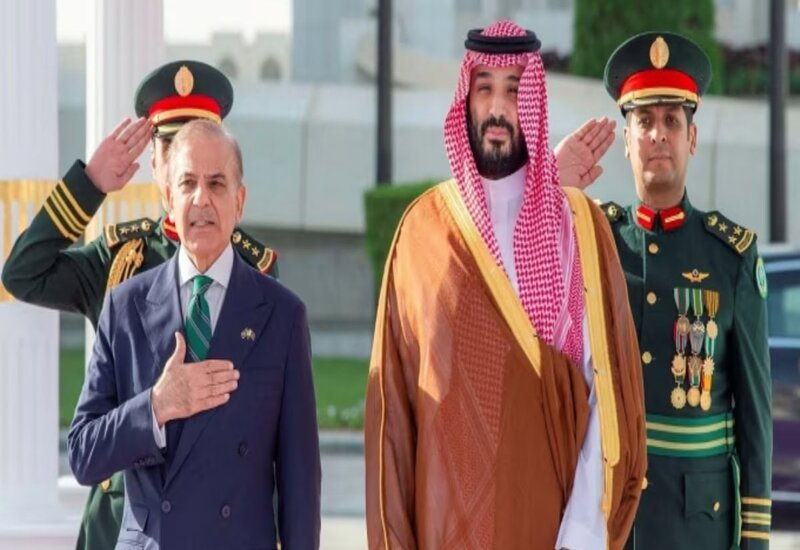
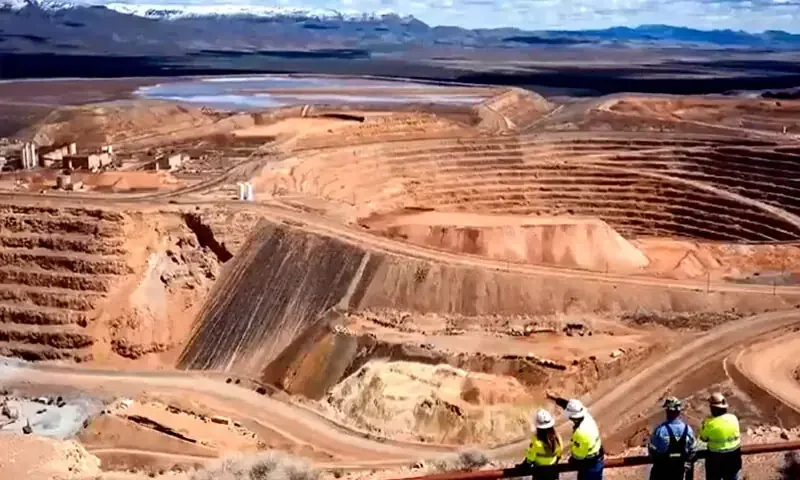
Finance Minister Muhammad Aurangzeb has reaffirmed that Saudi Arabia’s commitment to invest $10 billion in Pakistan remains firmly intact, marking a continued shift in bilateral relations from crisis-driven support to long-term, investment-oriented economic cooperation. The development aligns with the momentum created by the recent Strategic Defense Pact signed in September and the Saudi–Pakistan Economic Cooperation Framework finalized last month. For decades, Saudi Arabia has assisted Pakistan through central bank deposits and deferred oil payment facilities. However, the focus is now moving toward commercially viable, equity-based investments with strong returns. Aurangzeb highlighted that Pakistan’s stabilizing economy is strengthening investor confidence. Inflation, which soared to almost 38 percent in May 2023, has significantly dropped, foreign exchange reserves have improved, and the rupee has remained stable. These gains have prompted Fitch and Moody’s to upgrade Pakistan’s economic outlook, citing improved liquidity and sustained policy discipline. Pakistan is currently in the middle of a $7 billion IMF program, with the second review successfully completed. A board decision expected in December is likely to further support sentiment and reduce macroeconomic risks. Aurangzeb stressed that Pakistan’s economic future must be driven by private-sector investment rather than aid: “It’s not aid; it has to be trade and investment. That is going to bring sustainability at both ends.” Priority sectors for Saudi capital include mining and minerals, IT, agriculture, food processing, manufacturing, and tourism. Many of these investments align with Saudi plans for the 2034 FIFA World Cup, with companies such as Forward Sports in Sialkot serving as successful examples of high-precision manufacturing partnerships. One of the most significant potential developments is the Reko Diq copper-and-gold project in Balochistan. Saudi Arabia’s Manara Minerals has expressed interest in acquiring a 15 percent stake. Aurangzeb said the project is close to its financial close, with an IFC-led group arranging $3.5 billion in project financing. Final approvals — including those from the US Export-Import Bank — are awaited. Reko Diq’s first year of production could bring in up to $2.8 billion in exports, representing nearly 10 percent of Pakistan’s annual export base. Aurangzeb reiterated that Pakistan aims to transform its improving economic indicators and favorable geopolitical environment into stable, long-term investment flows. As one of Pakistan’s most strategic economic partners, Saudi Arabia is expected to play a central role in this new era of private-sector-led growth.
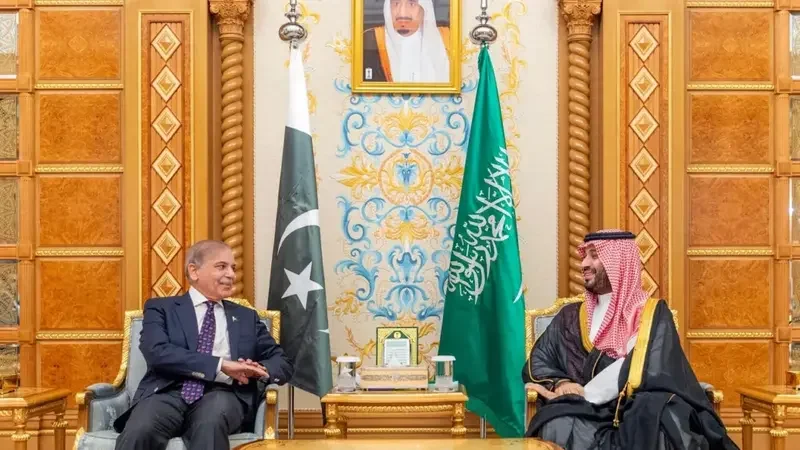
Saudi Arabia Eyes $10 Billion Investment Push in Pakistan Amid Strengthening Economic Ties
25 November, 2025 0 7Similar news
-
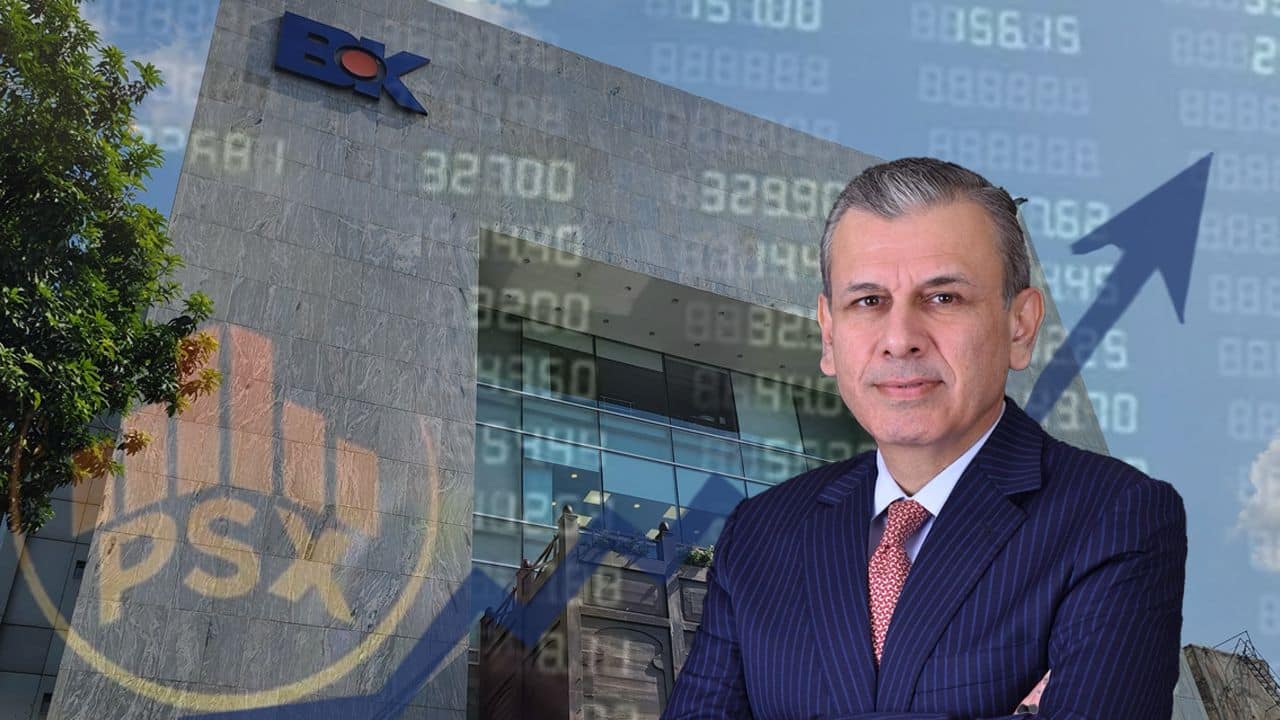
Bank of Khyber: Building Momentum with Consistent Performance on PSX
30 September, 2025 -
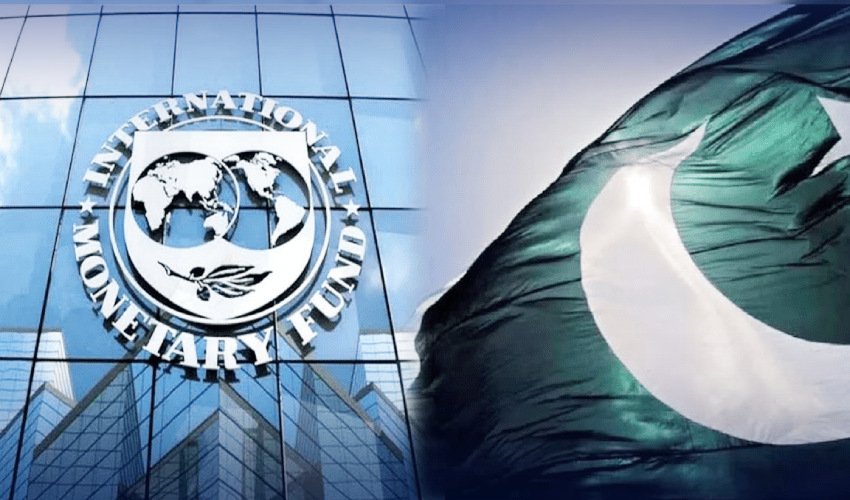
Pakistan Posts Stronger-Than-Expected Economic Growth, Says IMF
21 October, 2025 -
-
-
Publications
-
Electricity and Gas Bills May Soon Be Linked to Consumers’ Income Levels
21 February, 2026 0 18 -
Punjab Government Revises Transport Policy for Senior Officers
21 February, 2026 0 18 -
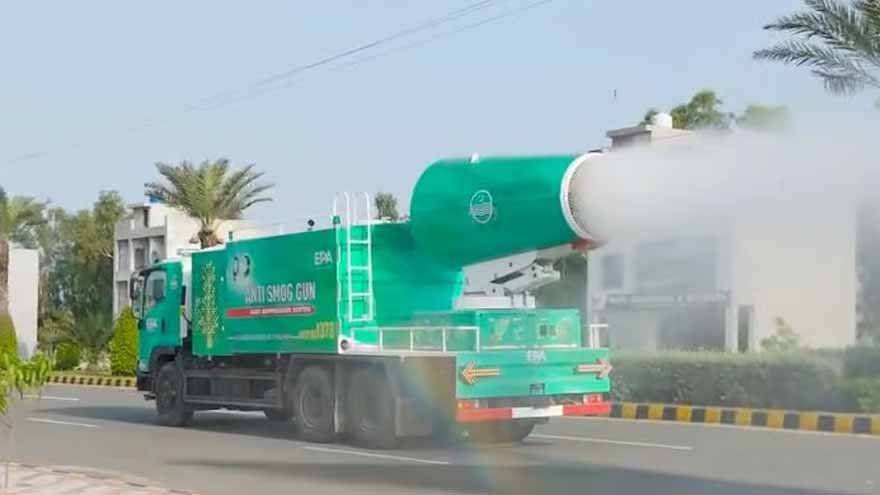
Punjab Government Unveils Rs. 3 Billion Smog Control Plan
21 February, 2026 0 19 -
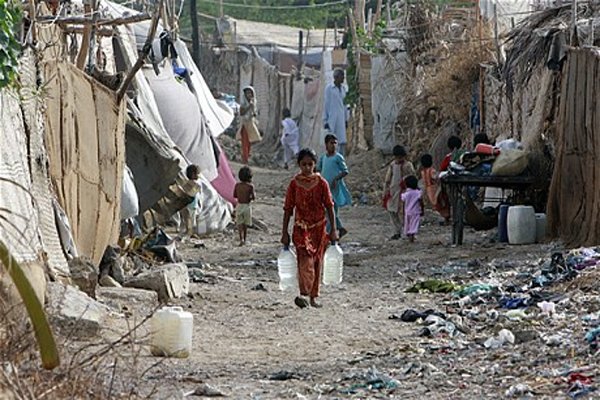
Nearly 30% of Pakistanis Now Living Below Poverty Line, Report Reveals
20 February, 2026 0 12 -
ECC Approves Rs. 19 Billion Release for Pakistan PM’s Ramzan Relief Package 2026
20 February, 2026 0 10
Health
-
Punjab Allocates Rs. 3 Billion Annually for Stroke Patient Care
21 February, 2026
Punjab Health Minister Khawaja Salman Rafique announced that the Chief Minister’s Stroke Program
More details ... -
Health Experts Warn Against Consuming Fried and Sugary Foods During Ramadan
20 February, 2026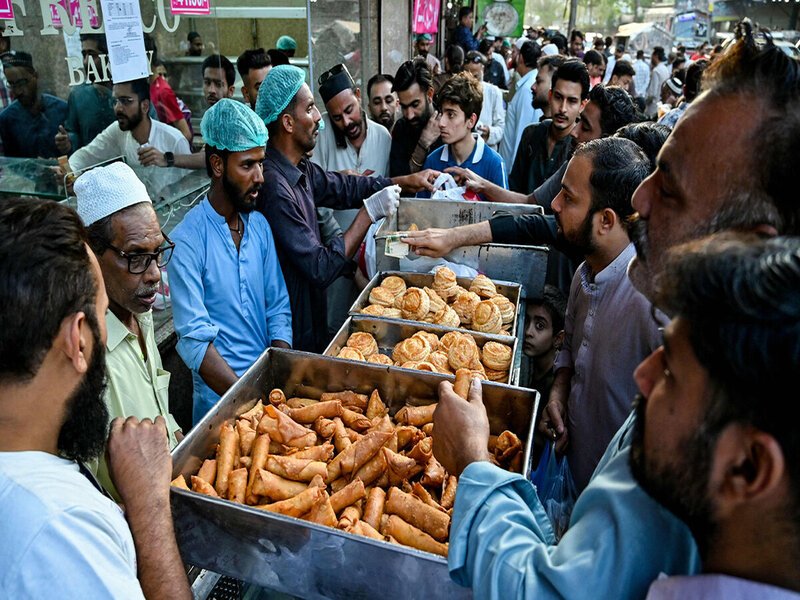
Health experts have advised citizens to avoid excessive consumption of fried foods and sugary
More details ... -
Experts Warn Only 30% of Children With Cancer Survive in Pakistan, Highlighting Urgent Need for Improved Care
18 February, 2026
Around 10,000 children are diagnosed with cancer in Pakistan each year, yet fewer than 30 percent
More details ... -
Can Lice Kill? Girl Dies After Severe Head Lice Infestation Leads to Fatal Infection
16 February, 2026
A tragic incident in Puri district of Odisha, India, has drawn attention to the dangers of
More details ... -
Islamabad High Court Bans Substandard Food Packaging Sacks, Orders Nationwide Crackdown Over Cancer Risk
14 February, 2026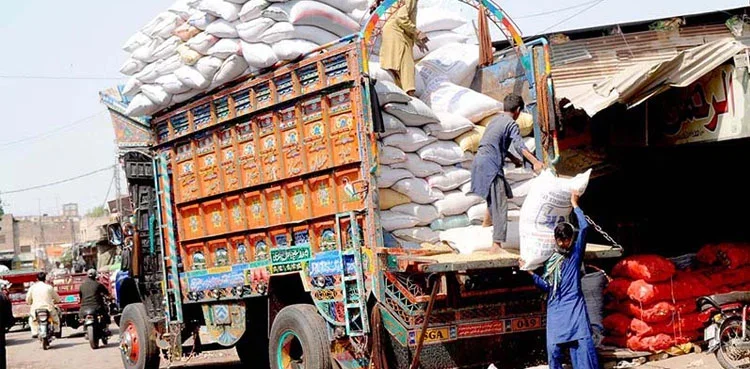
The Islamabad High Court has banned the use of substandard polypropylene woven sacks for packaging
More details ...
Cars
-

Hyundai Set to Launch Locally Assembled
14 February, 2026 -

Chery Tiggo 9 PHEV Officially Priced in
14 February, 2026 -
Mega Motor Company Opens Pakistan’s
10 February, 2026 -

Chery Tiggo 9 PHEV Official Launch Date
10 February, 2026
Readable
+-

Sindh Reveals Launch Date of Pink Taxi Scheme for Women
29 September, 2025 0 129 -
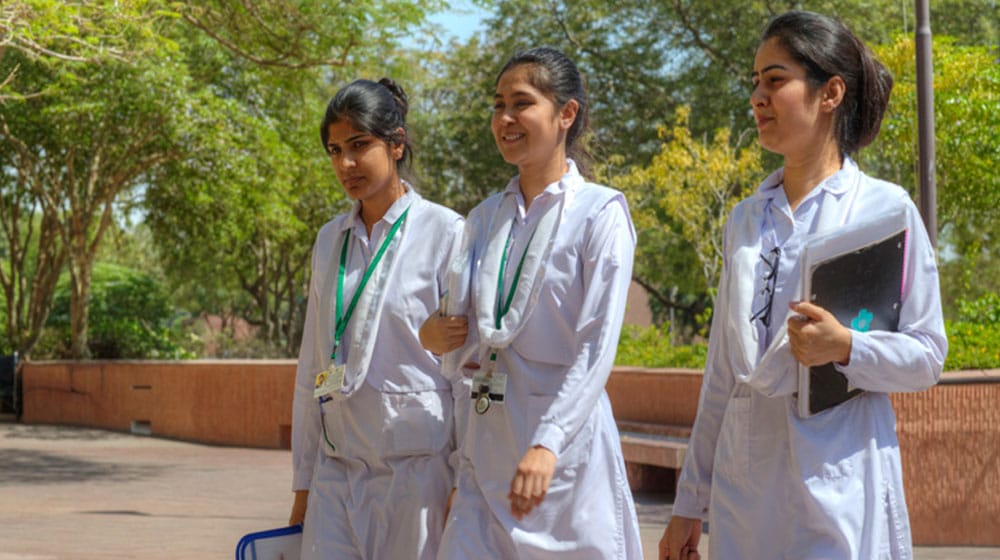
PNMC Warns Against 38 Fake Nursing Colleges in Pakistan
30 September, 2025 1 118 -

EOBI Pension Update 2025: Benefits, Amount, Eligibility, & How to Check Online
17 October, 2025 0 100 -

Benazir Taleemi Wazaif Check Online by CNIC 2026 — Complete Status & Payment Guide
22 January, 2026 1 81 -
FBR Under Pressure as Tax Return Filings Fall to Less Than Half of Last Year
30 September, 2025 0 79
Rating
+-
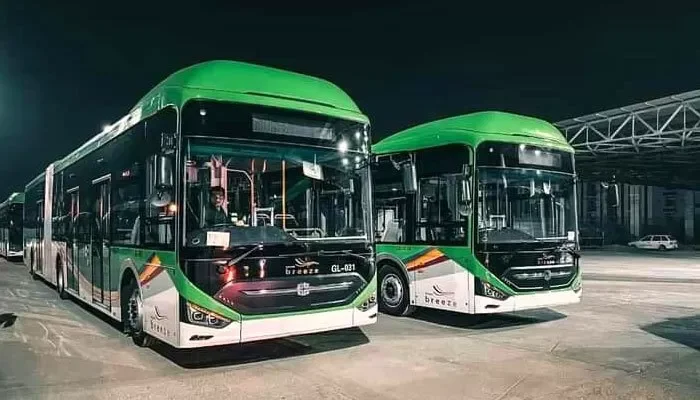
Tourist Spot is Set to Receive Green Line Bus and Train Service
02 October, 2025 0 78 -
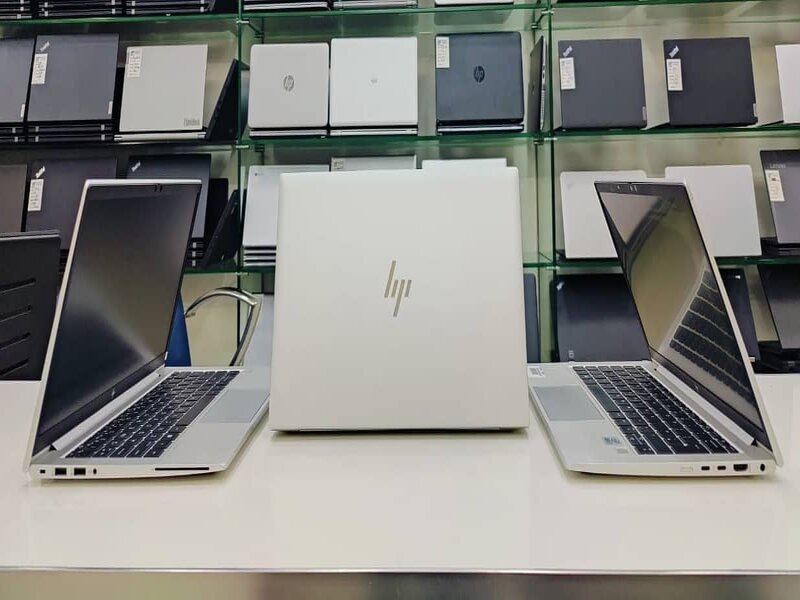
Get a Brand New HP Laptop in Pakistan for Only Rs. 10,000
03 January, 2026 1 37 -
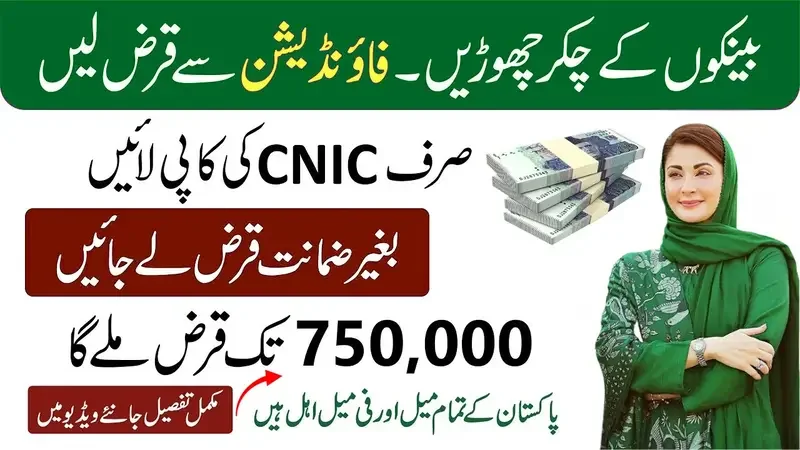
-
PSER Survey 2026: Online Registration Open for Ramzan Package & Free Atta Ration
22 January, 2026 0 38 -
-
-

NADRA Simplifies Process for Obtaining Birth and Death Certificates Across Pakistan
13 October, 2025 3 48 -

Punjab Driving License Without Test: Official Clarification & Risks
24 January, 2026 2 35 -
PNMC Warns Against 38 Fake Nursing Colleges in Pakistan
30 September, 2025 1 118 -
Latest
-
Saudi Riyal to Pakistani Rupee Exchange Rate Today – February 21, 2026
-
Silver Rate in Pakistan Today — February 21, 2026 Prices & Market Update
-
State Bank of Pakistan Injects Rs 1.6 Trillion to Boost Market Liquidity
-
-
Basit Ali Predicts Fakhar Zaman In, Nafay Out for New Zealand Clash
-
Imad Wasim Accepts Responsibility for Pakistan’s Defeat Against India
Video
-
Electricity and Gas Bills May Soon Be Linked to Consumers’ Income Levels
-
Punjab Government Revises Transport Policy for Senior Officers