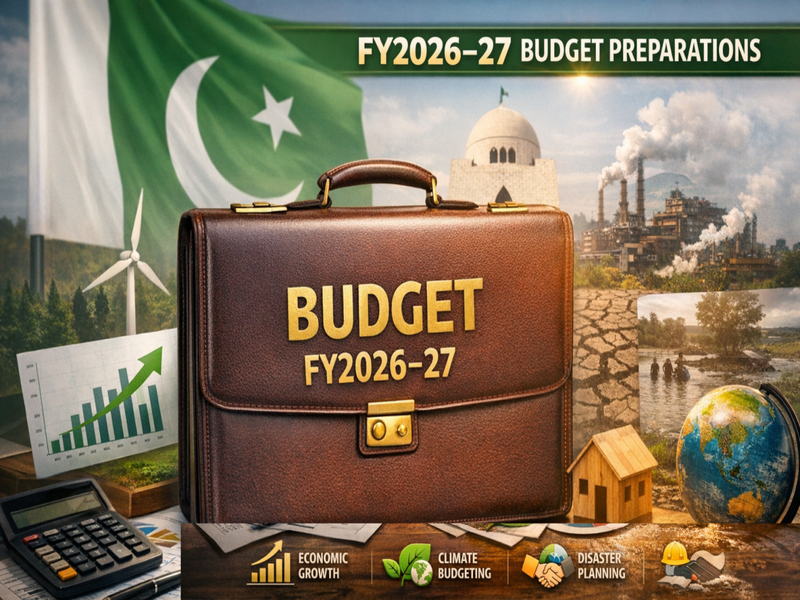
The government has officially launched the federal budget preparation process for the fiscal year 2026–27 with the issuance of the Budget Call Circular by the Finance Division. This document provides detailed instructions to all ministries and departments, outlining economic priorities, the full budget calendar, and new requirements related to climate and disaster-related spending. According to official projections, the government expects economic growth to reach 5.1 percent in FY2026–27, while inflation is estimated at 6.5 percent.
Alongside the Budget Call Circular, a provisional macroeconomic framework has been shared to outline expected economic performance over the next two fiscal years. Gross domestic product growth is projected at 4.0 percent for FY2025–26, increasing to 5.1 percent in FY2026–27. Inflation is forecast at 6.1 percent in FY2025–26, rising slightly to 6.5 percent the following year. These estimates are based on assumptions of stable global commodity prices, improved macroeconomic stability, and the continuation of structural reforms.
All ministries and principal accounting officers have been instructed to follow new budget submission guidelines. They are now required to clearly identify and tag revenues and expenditures that have environmental or climate relevance when submitting actual figures for FY2024–25, revised estimates for FY2025–26, and budget estimates for FY2026–27. The aim is to enhance transparency and allow better tracking of climate-related fiscal measures.
For the first time, the budget preparation process includes comprehensive guidance on climate and green budgeting. This covers climate-linked tax revenues, non-tax revenues, subsidies, and disaster-related expenditures. The government intends to align fiscal policy with climate resilience goals and sustainable development priorities, recognizing the growing economic risks posed by climate change.
Under the revised framework, federal revenues will also be classified based on their environmental impact. Tax revenues collected by the Federal Board of Revenue and non-tax revenues managed by the Finance Division will be assessed to determine whether they are linked to environmentally harmful or climate-relevant activities. Charges related to fossil fuel consumption, plastic production, pollution, and hazardous waste will be treated as climate-related revenues under the new system.
To meet international reporting standards, green revenues have been divided into four broad categories: energy, transport, pollution, and natural resources. These include petroleum levies, emissions-related charges, vehicle and road usage fees, waste management and noise pollution penalties, and charges on the extraction and use of natural resources such as water, forests, and minerals.
Climate tagging has also been extended to subsidies, which account for a significant share of federal expenditure. Previously applied mainly to government operations and development projects, subsidy tagging will now begin from FY2025–26. A new reporting format has been introduced to support this process and ensure consistency across ministries.
Under the revised subsidy framework, each ministry must list subsidies by department, sector, and budget allocation. Subsidies must also be classified according to whether they support climate adaptation or climate mitigation. Adaptation measures include initiatives such as agricultural risk management, crop insurance, and climate-resilient infrastructure, while mitigation measures cover renewable energy, clean power generation, energy efficiency, public transport, and electric vehicle initiatives. Subsidies will further be tagged based on their environmental impact, ranging from directly favourable to potentially unfavourable, helping policymakers assess their alignment with climate objectives.
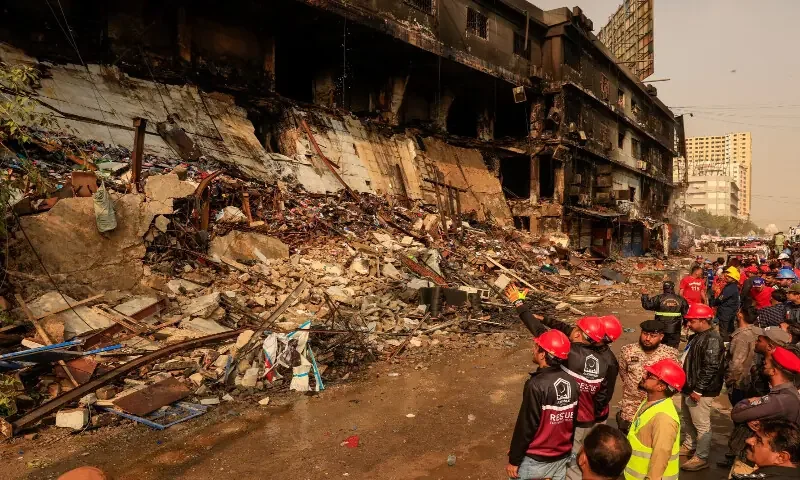
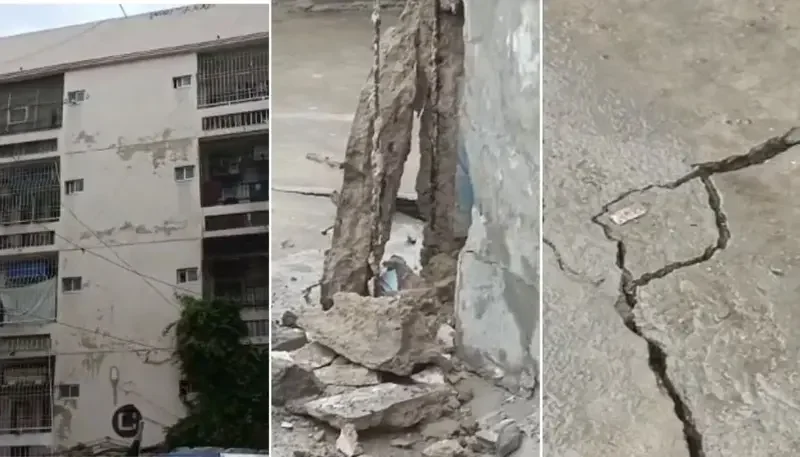
Disaster-related budgeting remains a central component of the FY2026–27 budget due to Pakistan’s high exposure to climate-induced disasters. All disaster-related expenditures will continue to be tagged, covering both pre-disaster activities such as preparedness and risk reduction, and post-disaster spending related to emergency response, recovery, and reconstruction. Each category will carry specific codes to improve monitoring, reporting, and accountability.
The Finance Division has also released a detailed budget timeline. The provisional macroeconomic framework will be finalized in the current month, while the mid-year review will be presented to the National Assembly in February 2026. Ministries are required to submit budget forms, revised estimates, and development project details by February 20, 2026. Budget review committee meetings will take place from March 30 to April 12, followed by the announcement of exchange rate assumptions on April 15 and approval of the Budget Strategy Paper by April 20. Budget ceilings will be issued between April 21 and April 25, with key planning meetings scheduled in May. Final budget documents will be completed by the end of May 2026, and quarterly estimates must be submitted by June 30, 2026.
With the formal issuance of the Budget Call Circular, the government has set the FY2026–27 budget process in motion. The inclusion of climate and green budgeting, expanded subsidy tagging, and structured disaster planning signals a shift toward more transparent, responsible, and forward-looking fiscal management aimed at supporting economic growth while addressing environmental and climate challenges.