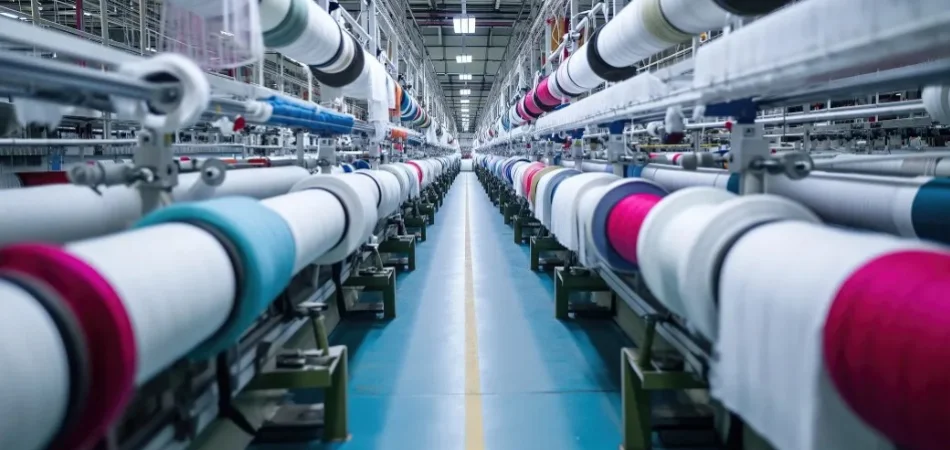
The All Pakistan Textile Mills Association (APTMA) has urged the Federal Board of Revenue (FBR) to adjust Super Tax liabilities against long-pending tax refunds, warning that immediate recovery could severely disrupt industrial operations and exports. APTMA said manufacturers and exporters are facing severe liquidity pressure and cannot make large Super Tax payments in a single installment.
APTMA Chairman Kamran Arshad highlighted that the export-oriented textile sector has been struggling for months due to weak export orders and a challenging business environment. Demanding upfront Super Tax payments would drain working capital and affect daily operations. High energy costs, double-digit interest rates, heavy taxation, and rising imports of raw materials have already weakened domestic industry, and recovering hundreds of billions of rupees in Super Tax immediately would further strain cash flows, making it difficult for businesses to meet obligations such as salaries, utility bills, and supplier payments.
The association requested that FBR adjust Super Tax dues against pending income tax, sales tax, and other refund claims, including TUF and DLTL, and convert any remaining liability into business-friendly instalments over a reasonable period. APTMA also raised concerns over the calculation of Super Tax for exporters under Section 4C, noting that exporters remained under the Final Tax Regime until tax year 2024, and Super Tax should be computed on imputable income derived from taxes already paid.
Kamran Arshad emphasized that the lack of clear guidelines has created uncertainty and the risk of multiple interpretations. He urged the tax authority to engage with APTMA and other stakeholders to issue a generic clarification to avoid disputes and ensure fair application of the law. The association also demanded a suspension of recovery proceedings until these issues are resolved.
APTMA warned that failure to provide workable relief could lead to large-scale closure of textile units, including small and medium enterprises, which would reduce exports, shrink the tax base, and result in unemployment for hundreds of thousands of workers.