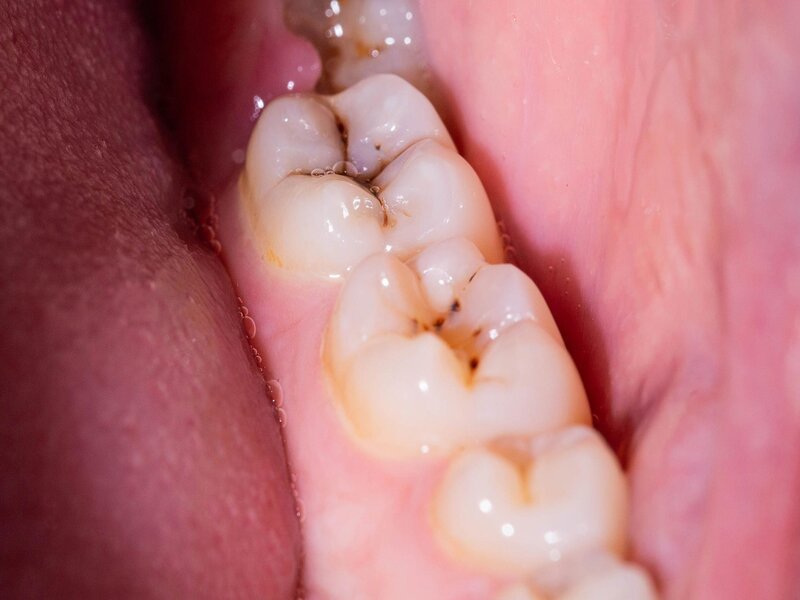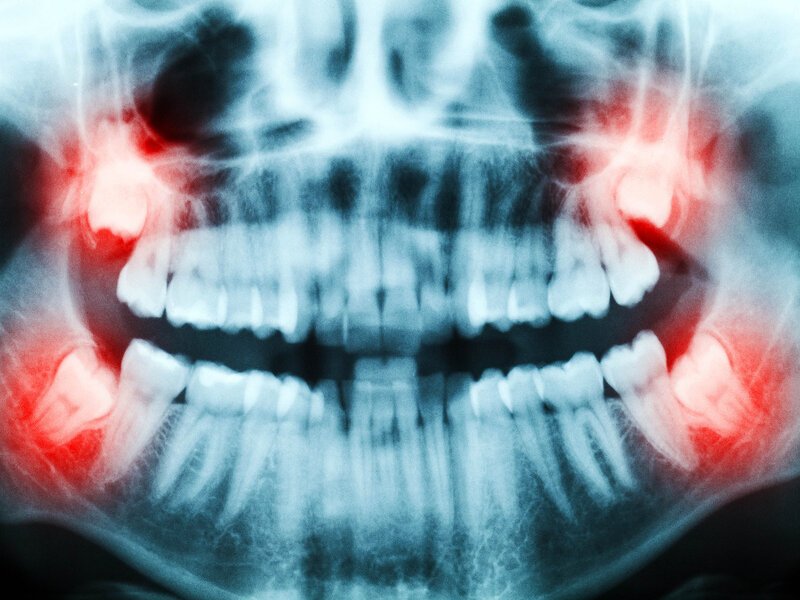
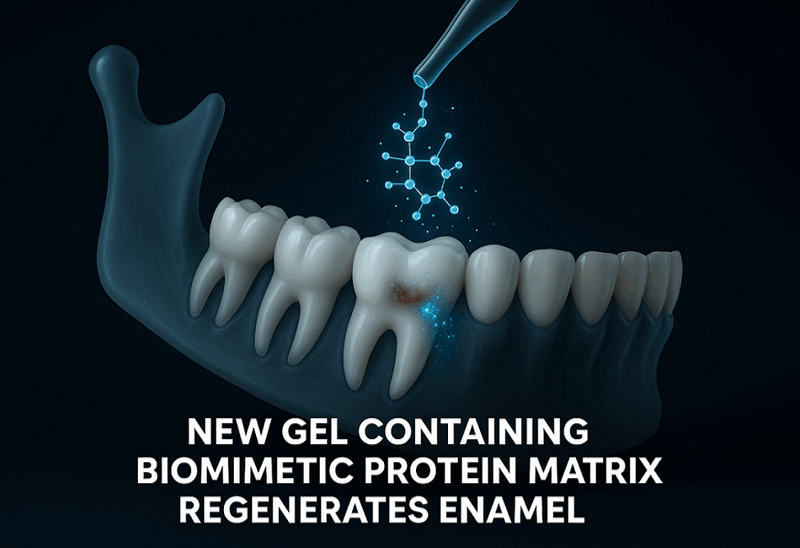
Researchers at the University of Nottingham have made a groundbreaking advancement in dental science by developing a protein-based gel capable of regenerating tooth enamel. Published in Nature Communications, this innovative gel leverages natural processes to repair and strengthen teeth, offering a potential alternative to traditional fillings and dental restorations.
The gel works by extracting calcium and phosphate ions directly from saliva, encouraging these minerals to grow into organized structures that seamlessly integrate with existing tooth enamel. Lead researcher Abshar Hasan emphasized that the gel “promotes the growth of crystals in an integrated and organized manner,” ensuring that the new enamel is structurally compatible with natural teeth.
In laboratory tests conducted on extracted human molars, the gel successfully formed a protective layer within weeks. Professor Alvaro Mata noted that the mineral growth could begin “within a week,” highlighting the rapid regenerative potential of this approach. Importantly, the newly formed enamel demonstrated resilience against everyday wear, including simulated brushing, chewing, and exposure to acidic conditions, suggesting strong durability.
The research team plans to move into clinical trials in early 2026 to assess the gel’s effectiveness and safety in real-world patients. If successful, the technology will be commercialized through the startup Mintech-Bio, potentially transforming dental care by offering a non-invasive method to repair enamel naturally and prevent decay.
This development represents a significant step forward in biomimetic dentistry, showing how materials inspired by the body’s own processes can restore and protect teeth in a way that traditional methods cannot.