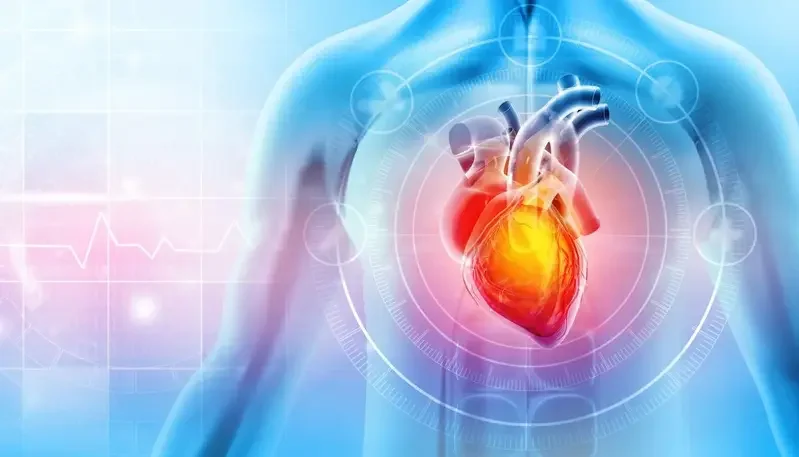
A recent study conducted by researchers at Tampere University and the University of Oxford is reshaping the understanding of heart attack causes. Traditionally, high cholesterol levels and lifestyle factors were considered the primary contributors, but the new findings highlight bacterial infections as a significant, previously underappreciated trigger. Scientists discovered that fatty plaques in coronary arteries can harbor dormant bacterial biofilms that remain hidden for years, undetected by the immune system.
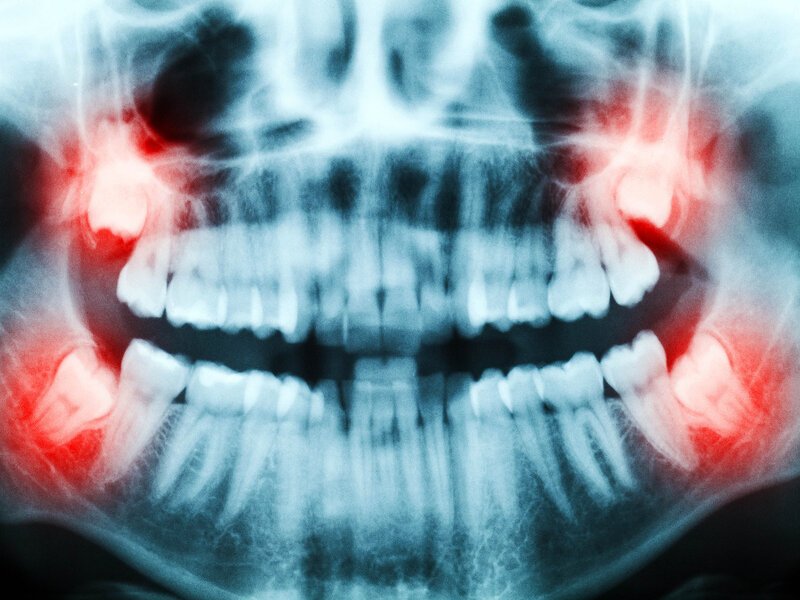
These biofilms often contain viridans streptococci, bacteria commonly present in the mouth, which are capable of evading immune defenses and resisting antibiotics by embedding deep within plaque tissue. When the body encounters a viral infection, the immune response can disturb these bacterial biofilms, reactivating the bacteria and triggering localized inflammation.
This inflammation can destabilize arterial plaques, increasing the risk of rupture and clot formation, which may result in a heart attack. Researchers confirmed the presence of these bacterial biofilms in tissue samples from cardiac arrest patients, providing new insights that could lead to improved diagnostic approaches and preventive strategies for cardiovascular disease.