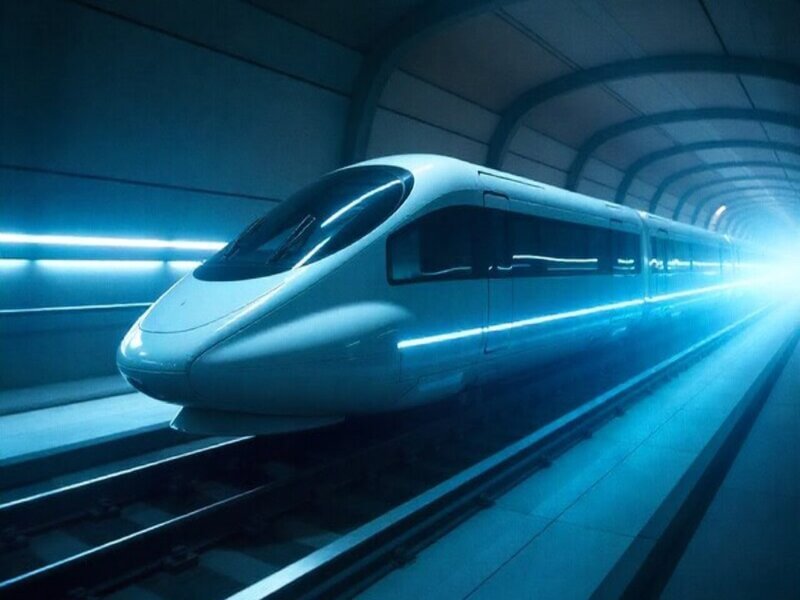
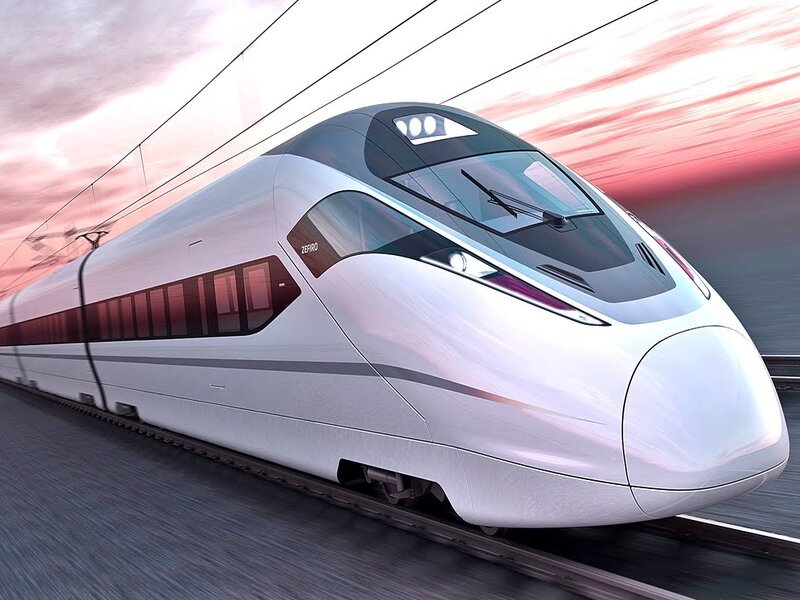
Japan is advancing the development of the L0 Series maglev train, which is expected to become the fastest passenger train in the world with top speeds reaching 603.5 kilometers per hour. The high-speed train will operate using magnetic levitation technology, allowing it to float above the tracks and significantly reduce friction, resulting in faster and smoother travel. Once operational, travel time between Tokyo and Nagoya is expected to drop to around 40 minutes, while the journey from Tokyo to Osaka could take approximately one hour, transforming long-distance travel within the country.
The ambitious maglev project carries an estimated cost of about £52 billion and has experienced multiple delays due to technical, environmental, and regional challenges. Current projections suggest the service will begin operations between 2034 and 2035. Despite these delays, the project is considered a major breakthrough in high-speed rail innovation and showcases Japan’s leadership in advanced transportation technology.
While the L0 Series maglev represents a significant leap forward, replicating such a system in Europe or the United Kingdom would be difficult. Challenges include the need for entirely new infrastructure, extremely high construction and maintenance costs, increased energy demands, and differences in passenger travel preferences. These factors make widespread adoption outside Japan more complex, even as global interest in ultra-high-speed rail continues to grow.