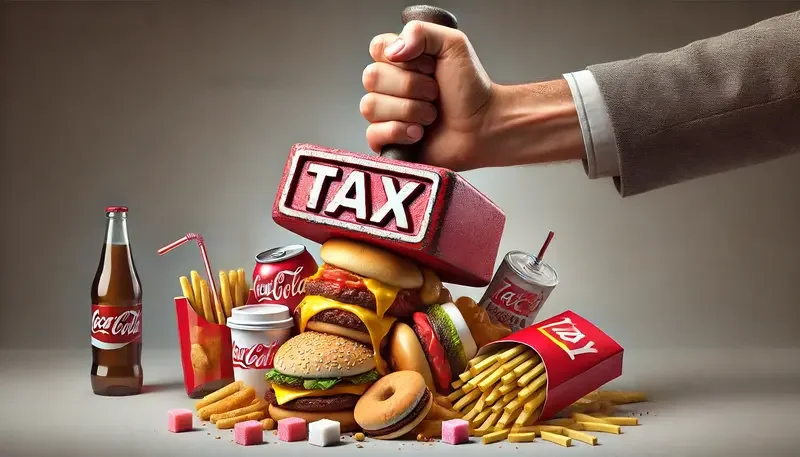
The UK government has unveiled a new set of measures aimed at tackling the country’s growing obesity crisis, including an expansion of the sugar tax to cover milkshakes, packaged milk-based drinks, and other sweetened beverages.
Under the revised policy, any drink containing more than 4.5 grams of sugar per 100 millilitres will be subject to taxation. This marks a tightening of the existing rules, which previously applied only to beverages exceeding 5 grams of sugar per 100ml. Officials say the lower threshold is designed to push manufacturers to further reduce sugar content and encourage healthier product reformulation.
Addressing Parliament, Health Secretary Vess Strating said obesity continues to deny millions of children a healthy start in life and remains a major driver of long-term illness across the UK. He noted that the burden of obesity falls disproportionately on poorer communities, deepening existing health inequalities.
Strating warned that being overweight significantly increases the risk of chronic conditions such as diabetes, heart disease, and certain cancers, placing immense pressure on the National Health Service. “These are lifelong health challenges,” he said, adding that obesity-related illnesses cost the government billions of pounds each year in treatment and lost productivity.
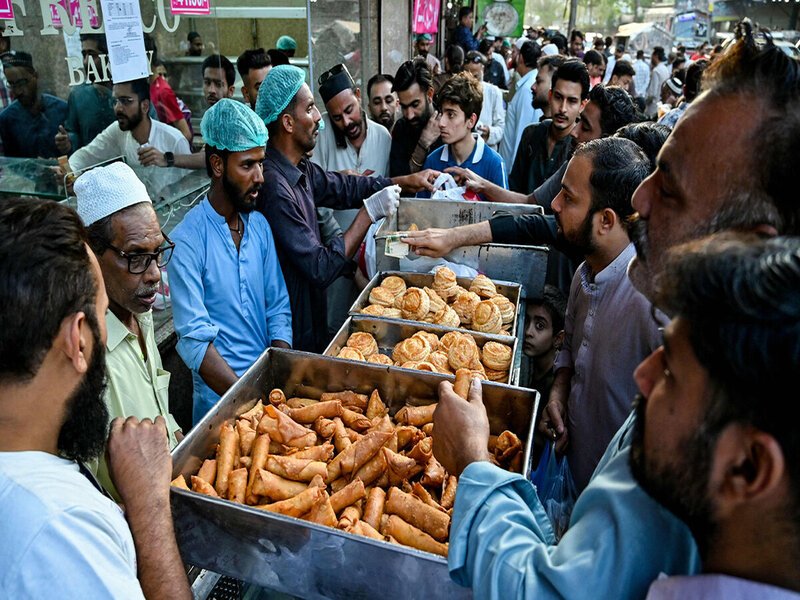
The expanded sugar tax is scheduled to come into force on January 1, 2028, giving food and beverage companies time to adjust recipes and labelling. However, the government clarified that so-called “open cup” drinks — such as freshly prepared beverages sold in cafés, restaurants, and street markets — will be exempt from the levy.
The announcement builds on the UK’s existing soft drinks industry levy, which has previously been credited with reducing sugar levels in many popular beverages. Officials say the latest move is part of a broader public health strategy focused on prevention, healthier diets, and reducing long-term healthcare costs, while critics argue it could raise prices for consumers amid ongoing cost-of-living pressures.