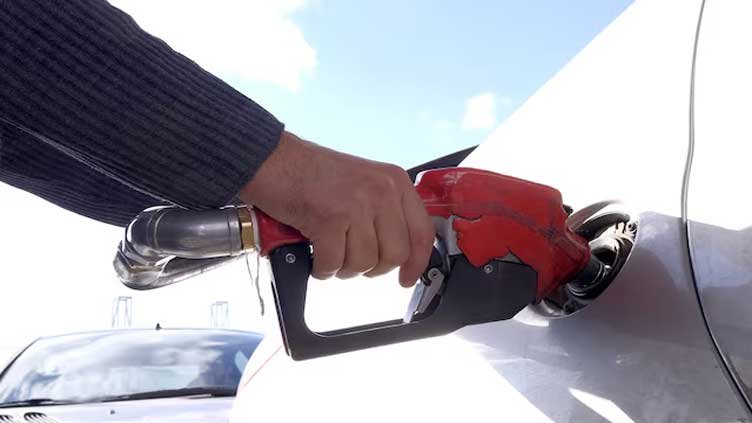
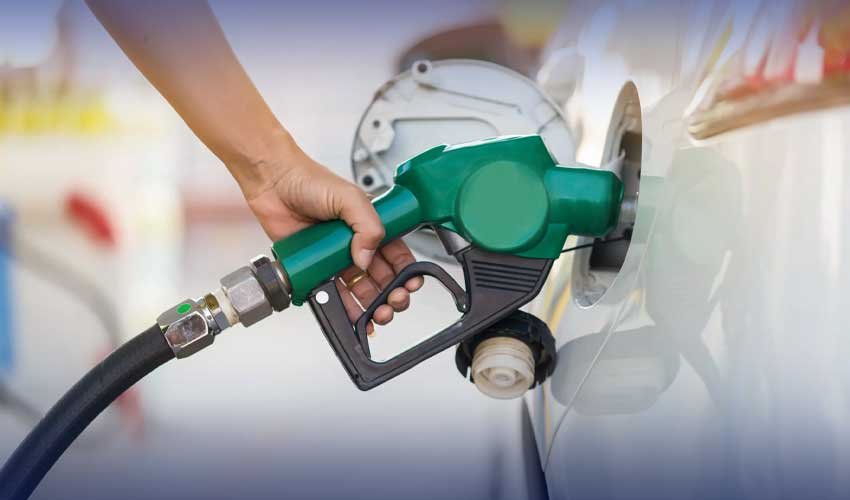
Venezuela now holds the position of offering the world’s cheapest petrol, with prices averaging just $0.03 per liter, second only to Iran. This extremely low cost reflects decades of state subsidies designed to make fuel affordable for Venezuelans despite ongoing economic challenges in the country. While such prices provide relief to local consumers, they are largely unsustainable in a global context and contrast sharply with fuel costs in neighboring nations, where prices can be hundreds of times higher.
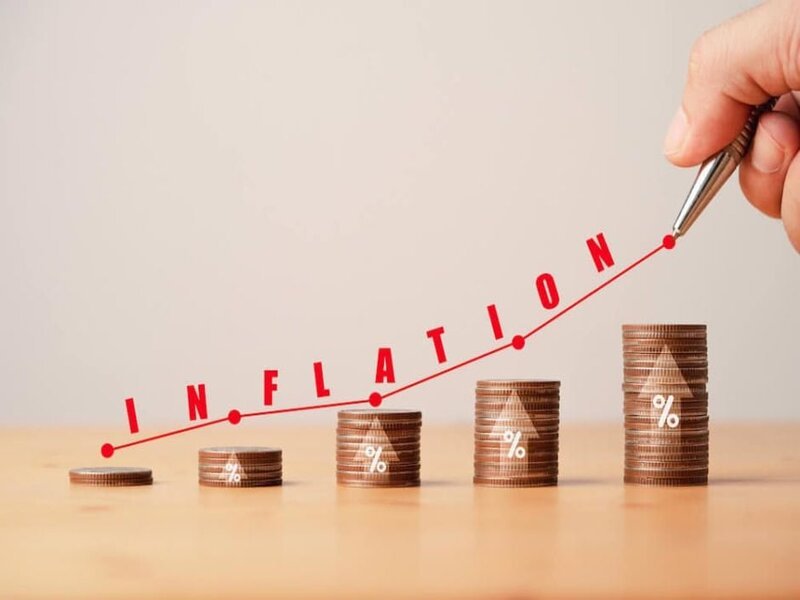
The ultra-low petrol price in Venezuela is made possible by government intervention, with heavy subsidies covering most of the actual cost of production and import. This policy has long been a hallmark of the Venezuelan government, aimed at easing living costs for citizens amid chronic inflation and economic instability. However, experts warn that such pricing encourages excessive fuel consumption, strains government budgets, and contributes to smuggling to neighboring countries where petrol is more expensive.
Despite these challenges, Venezuelans continue to benefit from some of the cheapest petrol globally, a stark contrast to the international energy market, where global oil prices fluctuate according to supply and demand. The country’s reliance on subsidized fuel also underscores deeper economic issues, including dependency on oil revenue, limited refining capacity, and the broader impacts of ongoing sanctions on its energy sector.
Venezuela’s petrol pricing situation highlights the tension between maintaining domestic affordability and ensuring economic sustainability, with the government facing ongoing pressure to balance subsidies with the realities of global energy markets.