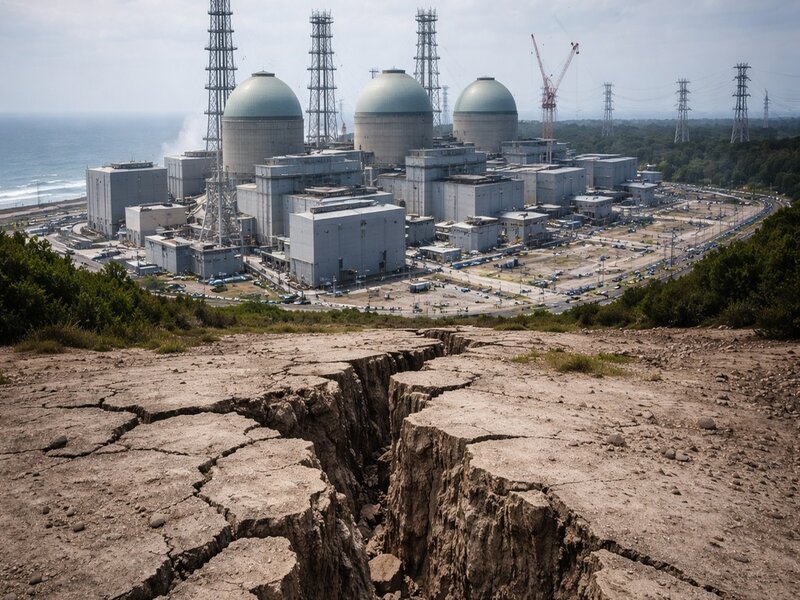
A Japanese nuclear plant operator has acknowledged that it may have submitted data that underestimated earthquake risks to regulators, raising fresh concerns as Japan pushes to revive nuclear power nearly 15 years after the Fukushima disaster. Chubu Electric Power said its Hamaoka nuclear plant, located in central Japan in an area vulnerable to a potential megaquake, is undergoing regulatory safety reviews ahead of a planned restart of two reactors.
The company’s president said the estimated maximum seismic ground motion the plant could face during a major earthquake may have been set too low. He warned that the issue could seriously affect the safety review process, damage trust among local communities and stakeholders, and potentially undermine the credibility of the company’s nuclear operations. His remarks were made during an emergency press conference following the disclosure.
Japan shut down its nuclear reactors after the 2011 earthquake and tsunami triggered meltdowns at the Fukushima Daiichi nuclear plant. Since then, the country has relied heavily on fossil fuels. However, the government is now seeking to restart nuclear power generation to reduce energy imports, meet rising electricity demand linked to artificial intelligence and data centers, and achieve its target of carbon neutrality by 2050.
The assessment of maximum seismic ground motion is a critical factor in designing earthquake-resistant nuclear facilities. In September 2023, Japan’s Nuclear Regulation Authority approved Chubu Electric’s estimate of 1,200 gal, a unit used to measure seismic acceleration. However, in February last year, the regulator received information from a whistleblower suggesting the company may have relied on data that differed from what was officially submitted for review.
Following the disclosure, the Nuclear Regulation Authority launched its own investigation into the matter. As a result, the safety review process for the Hamaoka plant was suspended in late December. Regulators have said the issue will be examined in meetings open to the public, with the first session scheduled to take place this week.
The development comes as Japan prepares for the possible restart of the Kashiwazaki-Kariwa facility, the world’s largest nuclear power plant, pending final regulatory approval. The situation at Hamaoka has added to public scrutiny over nuclear safety standards and regulatory transparency as Japan moves forward with its nuclear energy strategy.