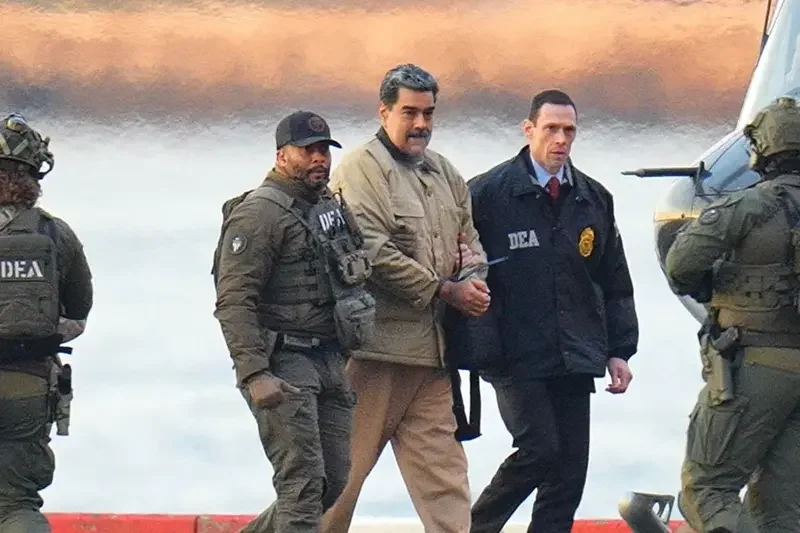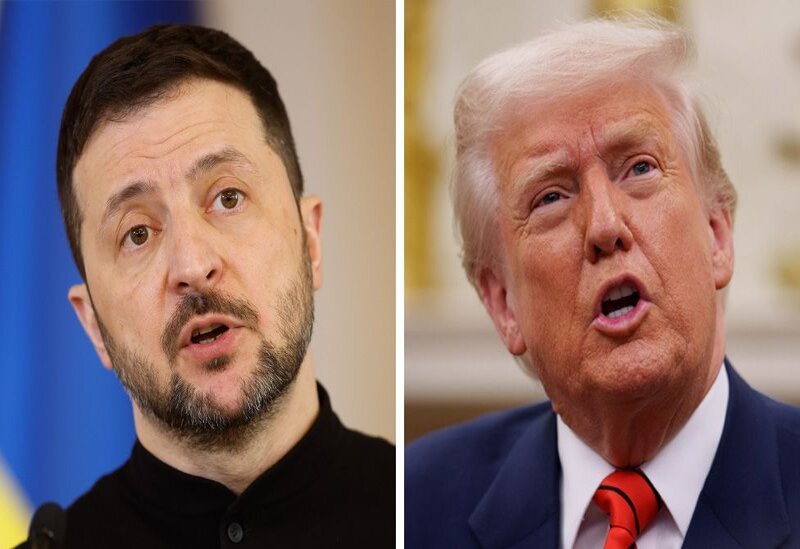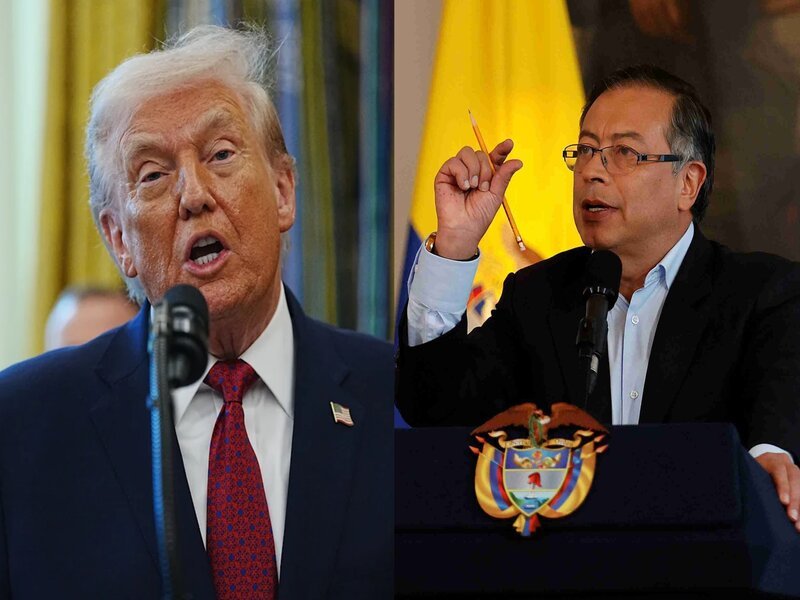
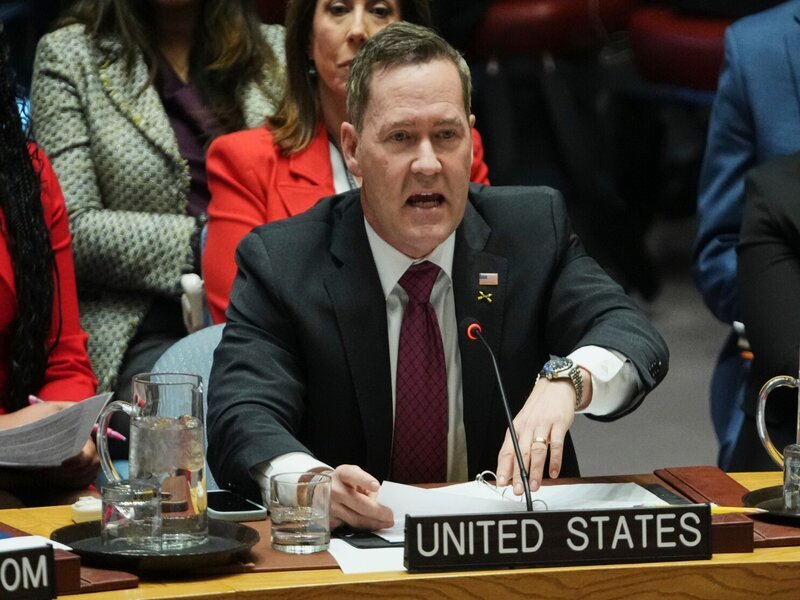
The United States has faced widespread international condemnation over its military operation in Venezuela, with critics labeling it a “crime of aggression” during an emergency meeting of the United Nations Security Council. Countries including Brazil, China, Colombia, Cuba, Eritrea, Mexico, Russia, South Africa, and Spain denounced President Donald Trump’s decision to launch airstrikes and forcibly seize Venezuelan President Nicolás Maduro and his wife, Cilia Flores, to stand trial in the US.
Brazil’s UN ambassador, Sérgio França Danese, described the bombings and abduction as a serious violation of Venezuela’s sovereignty that sets a dangerous precedent for the international community. Similar criticism came from Colombia, whose ambassador Leonor Zalabata Torres stressed that democracy cannot be defended through coercion or unilateral use of force. Russia and China demanded Maduro and Flores be released immediately, with Moscow calling the intervention a return to lawlessness and Beijing accusing the US of trampling on Venezuelan sovereignty. Cuba also condemned the operation as an imperialist attack aimed at domination, while Venezuela’s own ambassador, Samuel Moncada, described it as an illegitimate assault driven by resource exploitation.
The UN Secretary-General António Guterres warned that the operation risks worsening instability in Venezuela and across the region. He urged inclusive, democratic dialogue and stressed that the situation must be addressed through political solutions rather than unilateral military action. Guterres questioned whether the US operation adhered to international law and highlighted the potential for dangerous precedents in international relations.
The United States defended the raid as a lawful law-enforcement action, not an act of war. US ambassador to the UN Mike Waltz cited long-standing indictments against Maduro, claiming the operation was intended to execute justice and referencing the 1989 capture of Panama’s Manuel Noriega as precedent. Waltz asserted that the operation was not an occupation and claimed Article 51 of the UN Charter justified the action as self-defense, arguing that millions of Venezuelans, including exiles, welcomed Maduro’s arrest.
Legal experts and UN officials have questioned this rationale, noting that the operation lacked Security Council authorization, did not have Venezuela’s consent, and failed to present a clear self-defense justification. Under the UN Charter, states are required to refrain from using force against the territorial integrity or political independence of other nations, a principle repeatedly emphasized during the meeting.
Despite intense debate, divisions among the Security Council’s permanent members have left the UN unable to issue a collective response. Any formal censure of the United States is likely to be blocked by a veto, highlighting the challenges of enforcing international law when major powers are in conflict.