The Supreme Court of the United States has struck down former President Donald Trump’s sweeping global tariff policy in a landmark 6–3 ruling, declaring that he exceeded his executive authority by invoking an emergency law not designed for trade measures. The decision represents a significant development in U.S. trade law and presidential powers, reinforcing that tariff authority primarily rests with Congress.
In the majority opinion, Chief Justice John Roberts stated that the International Emergency Economic Powers Act does not authorize the president to impose broad import tariffs. The court clarified that the statute cannot be used to regulate international trade in the manner attempted under the previous tariff framework.
The ruling delivers a major setback to Trump’s trade strategy, which relied heavily on global tariffs to reduce trade deficits and pressure trading partners into renegotiating agreements. His tariff measures had contributed to heightened global trade tensions, market volatility, and strained diplomatic relations with key economies.
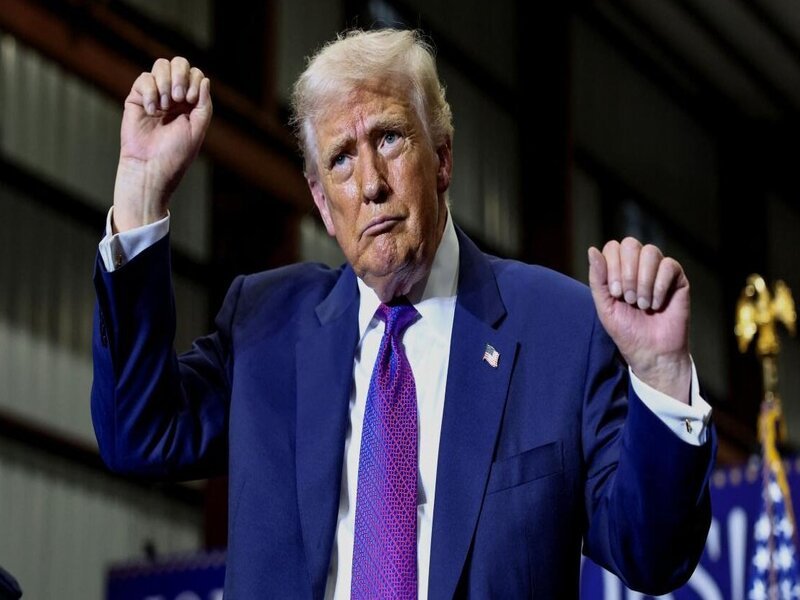
Following the verdict, Trump criticized the court’s decision and indicated plans to pursue a new 10 percent global tariff using alternative legal authority. Administration officials suggested that national security-related statutes could be explored to sustain tariff measures.
The judgment is expected to influence global financial markets as investors evaluate potential shifts in U.S. trade policy. While business groups have largely welcomed the clarification on executive limits, analysts warn that further legal and policy adjustments may prolong uncertainty.
Beyond trade implications, the case underscores broader constitutional debates about executive power, especially as presidential authority expanded across multiple policy areas in recent years. The court emphasized that significant economic actions with widespread consequences require clear congressional approval.
Economists suggest that if tariffs are scaled back, the decision could help ease inflationary pressures. However, the long-term economic impact will depend on how the administration restructures its trade framework in the months ahead.