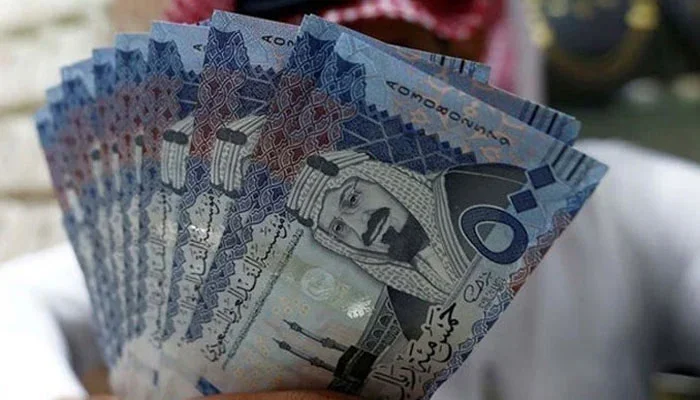
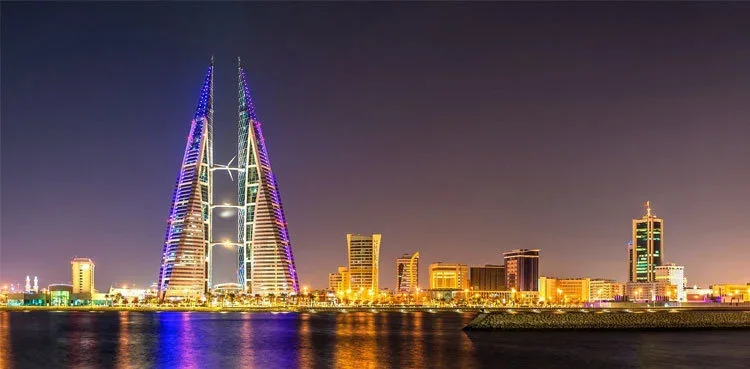
Manama: Bahrain’s government has unveiled a comprehensive package of fiscal reforms designed to reduce public spending, increase government revenue, and safeguard key subsidies for citizens, the Bahrain News Agency reported. The measures include higher fuel prices, increased electricity and water tariffs for certain consumer categories, and greater dividend contributions from state-owned enterprises.
Officials emphasized that electricity and water tariffs for the first and second consumption bands for citizens’ primary residences—including homes accommodating extended families—will remain unchanged. The government also decided to defer broader adjustments to subsidy mechanisms for primary residences until further studies are completed.
The reforms are part of Bahrain’s long-term Economic Vision 2030, which aims to strengthen fiscal discipline, diversify revenue sources beyond oil, and ensure financial sustainability. The new package builds on progress achieved under the Fiscal Balance Programme, which saw non-oil revenues more than double between 2018 and 2024, while recurring government expenditures declined, supporting steady economic growth.
Bahrain’s economy has grown significantly over the past two decades, with GDP increasing from approximately $9 billion to $47 billion. During this period, average wages for Bahraini workers more than doubled, while inflation remained relatively low compared with major advanced economies.
The government noted that amendments to utility tariffs for other categories of consumers have been approved and are set to take effect in January 2026, reflecting efforts to balance fiscal responsibility with protection of essential subsidies for citizens’ primary households.