The Pakistan Bureau of Statistics has released its commodity price survey for 2025, highlighting significant year-on-year changes in the prices of essential food items, household goods and utilities, reflecting the mixed inflationary pressures faced by consumers throughout the year.
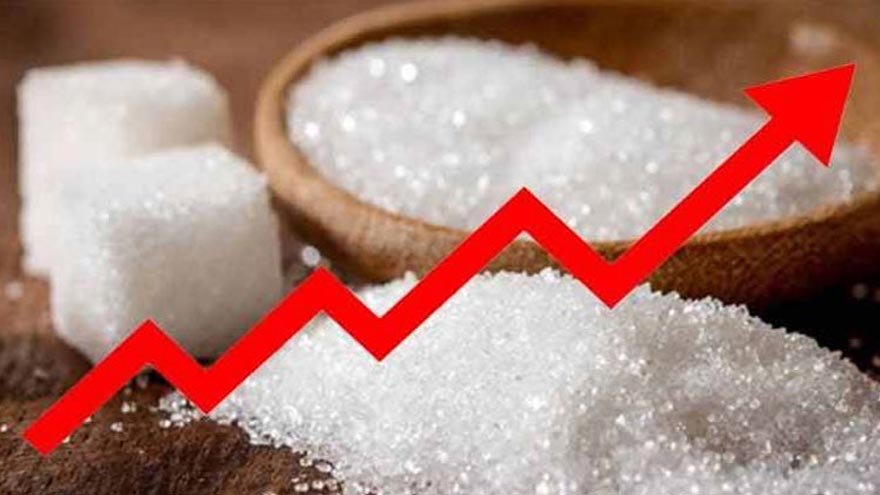
According to the survey, sugar prices recorded a notable increase of 16.32 percent on an annual basis. The average price per kilogram rose from Rs137.33 to Rs159.74, while in some markets the maximum price touched as high as Rs229 per kilogram, adding further strain to household food budgets. Wheat flour also became substantially more expensive, with the price of a 20-kilogram bag increasing by 22.56 percent, climbing from Rs1,794.93 to Rs2,199.25.
Meat prices continued to trend upward, though at varying rates. Live broiler chicken prices rose by 3.8 percent, increasing from Rs409 per kilogram to Rs424. Beef prices surged by around 13 percent, moving from Rs1,026 to Rs1,160 per kilogram, while mutton saw a 7.4 percent increase, rising from Rs1,963 to Rs2,109 per kilogram. These increases contributed to higher overall food costs, particularly for protein sources.
Among other commonly used food items, gur, or jaggery, registered a 12.5 percent increase, with prices rising from Rs208.16 to Rs210.34 per kilogram. Banana prices also climbed by 11.2 percent, reaching Rs132.43 per dozen compared to Rs119.05 a year earlier. Red chilli powder became 10.3 percent more expensive, with prices increasing from Rs320 to Rs352.99 per kilogram, while egg prices rose by 9.7 percent, from Rs337.22 to Rs369.96 per dozen.
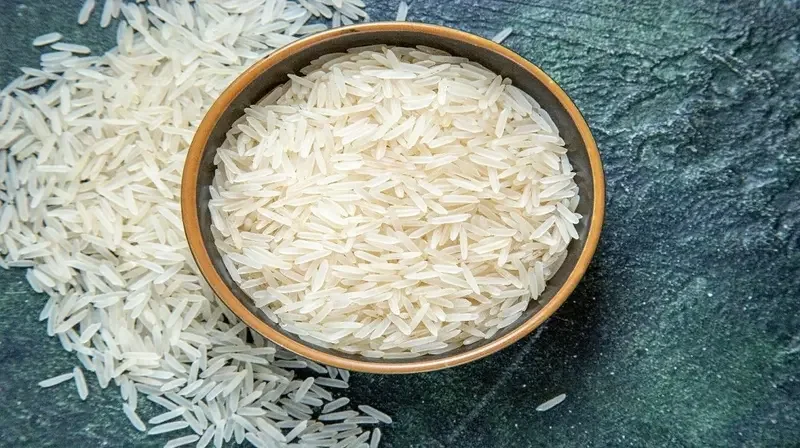
Staple items such as rice and dairy products also experienced moderate price increases. Basmati rice prices went up by 5.5 percent, rising from Rs203.34 to Rs214.45 per kilogram. Milk prices increased by 3.8 percent, reaching Rs203.51 per litre compared to Rs197.04 previously, while yogurt prices rose by 3.5 percent, from Rs231.06 to Rs239.21 per kilogram. Cooking essentials were also affected, as a 2.5-kilogram tin of ghee became 4.7 percent more expensive, increasing from Rs1,465.14 to Rs1,533.55.
Energy-related costs recorded some of the steepest hikes during the year. Gas charges surged by nearly 29.85 percent, significantly impacting household utility bills, while the price of firewood rose by 11.02 percent, adding to heating and cooking expenses for many families.
In contrast, several vegetables and pulses became cheaper over the year, providing some relief to consumers. Tomato prices witnessed a dramatic decline of up to 75 percent, dropping from Rs255.27 to Rs64.02 per kilogram. Potato prices fell by around 50 percent, decreasing from Rs113.08 to Rs56.78 per kilogram, while garlic prices dropped sharply by 38 percent, from Rs688.64 to Rs425.81 per kilogram.
Prices of pulses also declined across multiple categories. Moong dal became slightly cheaper by about 1 percent, masoor prices fell by 6.6 percent, chickpeas saw a significant reduction of 30 percent, and mash lentils declined by 13 percent. Onion prices decreased by 29 percent, falling from Rs129.13 to Rs91.39 per kilogram, easing costs for a staple ingredient used daily in households.
The survey further noted price reductions in some non-food items. A 190-gram pack of tea became 18 percent cheaper, while the price of a 14-watt energy saver also declined by 18 percent, reflecting lower costs in certain consumer goods categories. Meanwhile, the price of a matchbox remained unchanged throughout the year at Rs24.06.
Overall, the PBS survey shows that while prices of several essential food items, utilities and energy-related goods rose during 2025, notable declines in vegetables, pulses and select consumer products helped partially offset the impact on household expenses. The mixed trend highlights the uneven nature of inflation experienced by consumers across different segments of the economy.