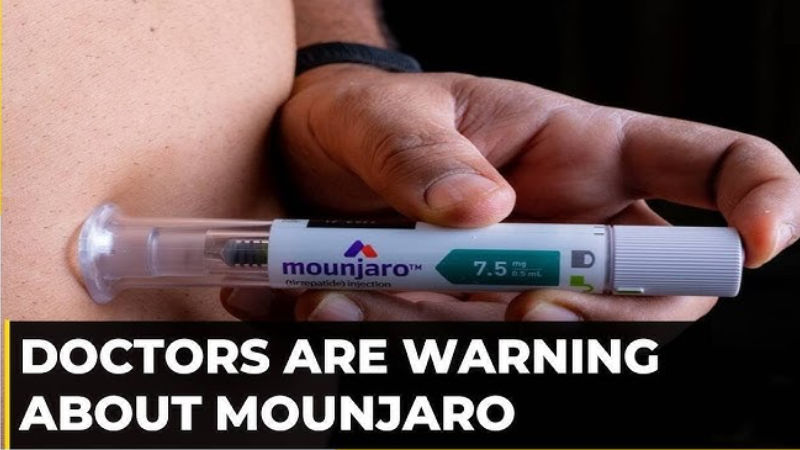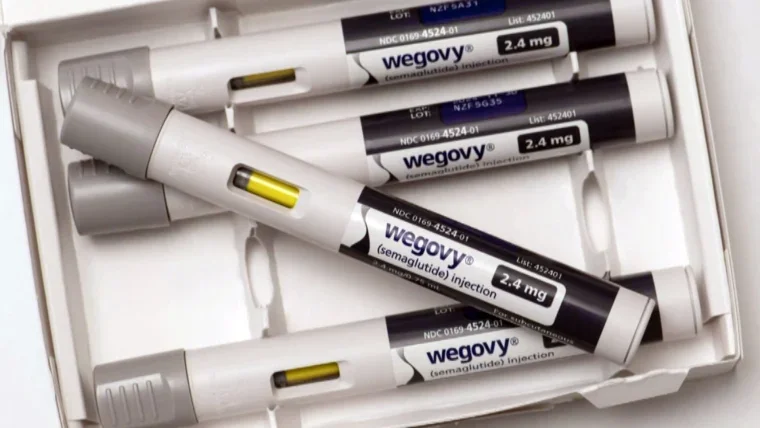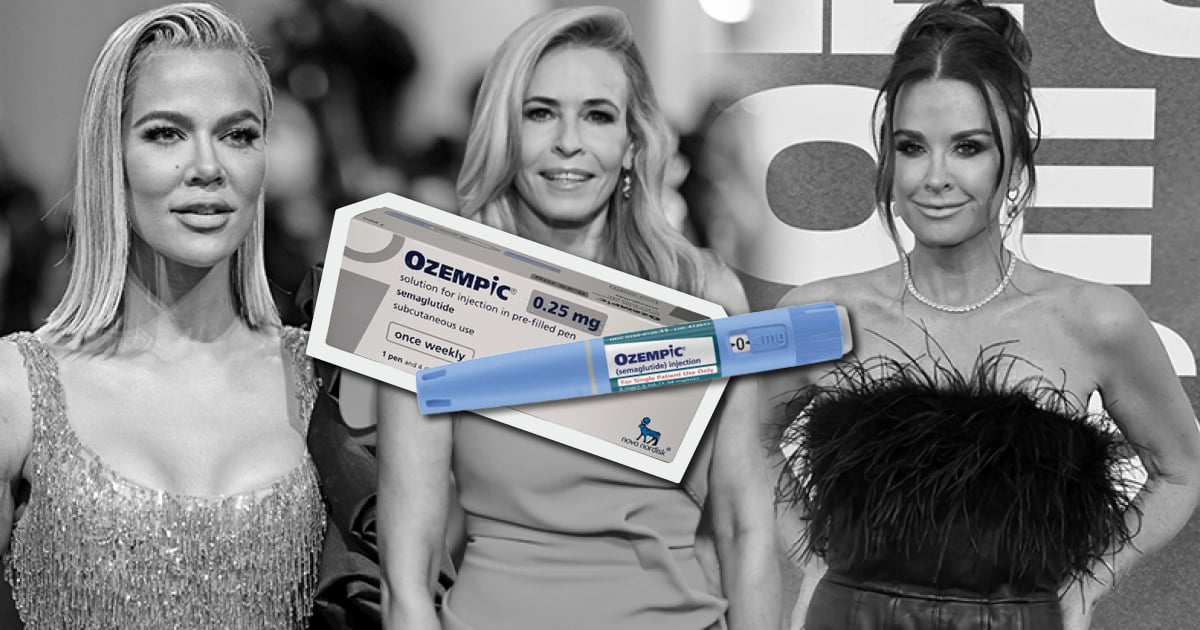
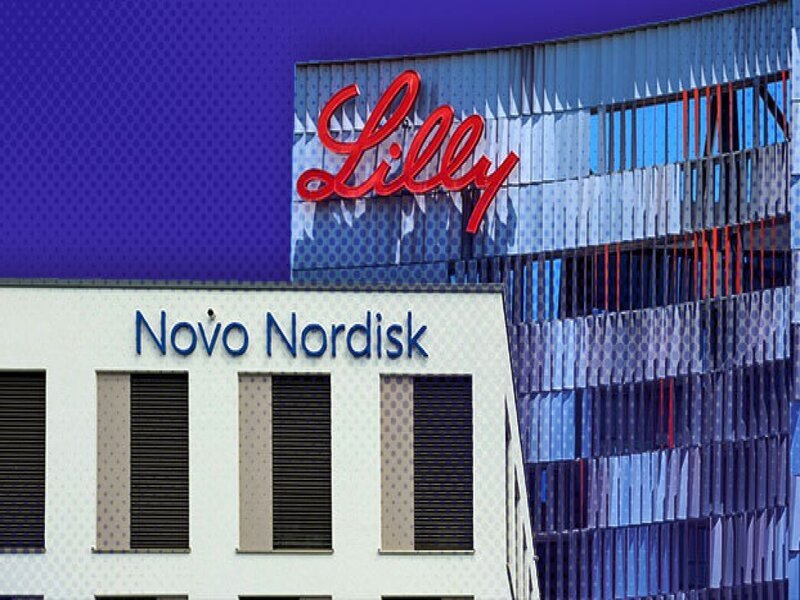
Novo Nordisk spent nearly $500 million on U.S. advertising for its GLP-1 drugs Wegovy and Ozempic during the first nine months of 2025, more than double the estimated $214 million spent by Eli Lilly on rival treatments, as the companies competed for market share. Novo allocated about $316 million to promote Wegovy, its weight-loss drug, and $169 million on Ozempic, used for diabetes, representing increases of 54% and 44% compared with the same period in 2024. Eli Lilly spent roughly $131 million on advertising its obesity drug Zepbound and $83 million on diabetes medication Mounjaro.
The advertising surge coincided with improved drug availability following shortages in 2024, when both companies had paused or limited promotional campaigns. Novo plans to begin marketing a new pill version of Wegovy, emphasizing cash-pay, direct-to-consumer channels due to uneven insurance coverage in the U.S.
Industry analysts note that Novo’s heavy advertising likely aims to counter Zepbound’s competitive advantage in weight-loss effectiveness, as a head-to-head trial showed Zepbound patients lost 47% more weight than those on Wegovy. Despite the advertising blitz, experts stress that treatment decisions ultimately require consultation between patients and physicians.
U.S. prescriptions for Zepbound surpassed Wegovy last year, giving Eli Lilly about 60% of the obesity drug market in 2025. Both companies have also faced competition from telehealth providers selling compounded versions of GLP-1 drugs, though these personalized doses differ from the branded versions in size and regimen. The U.S. remains unusual in allowing direct-to-consumer advertising of prescription medicines, a practice criticized for driving up medical costs.