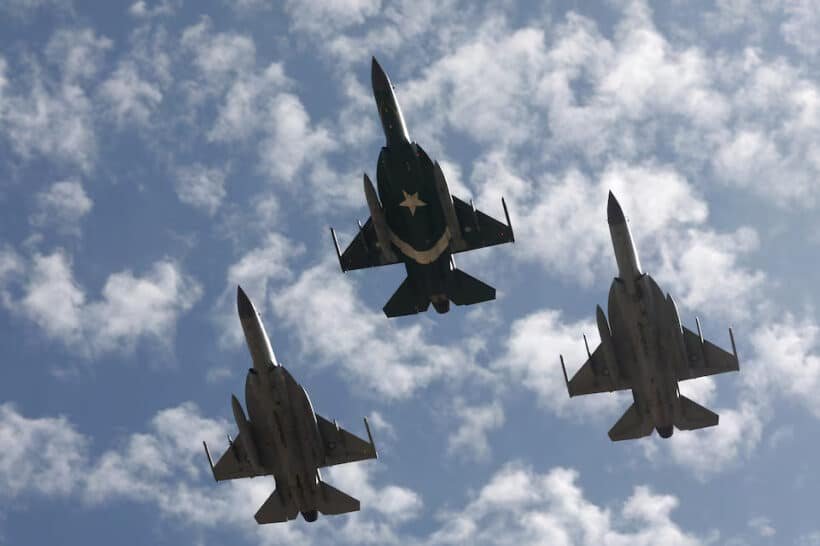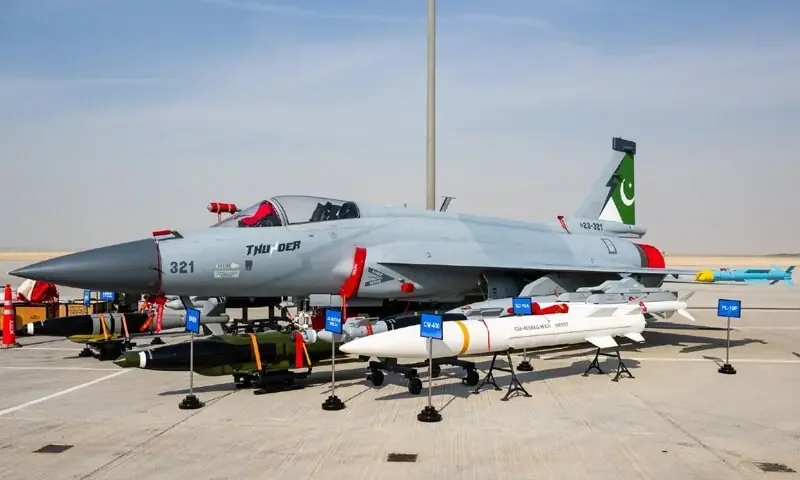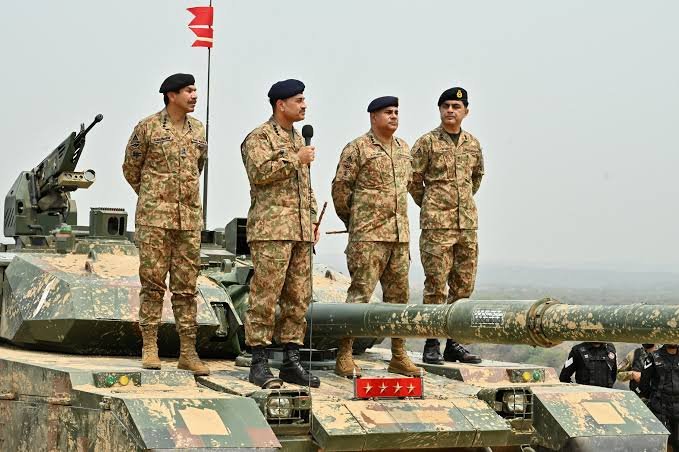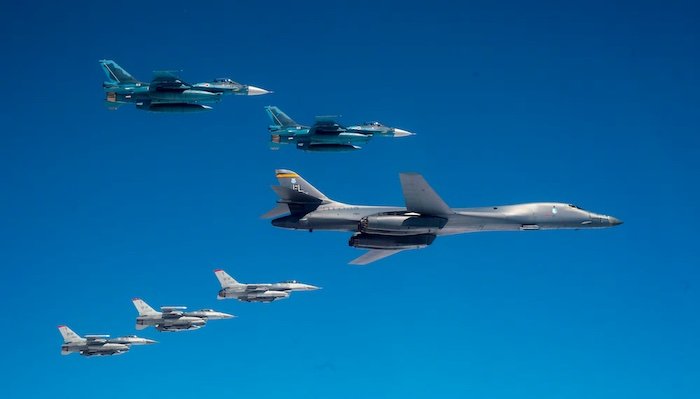
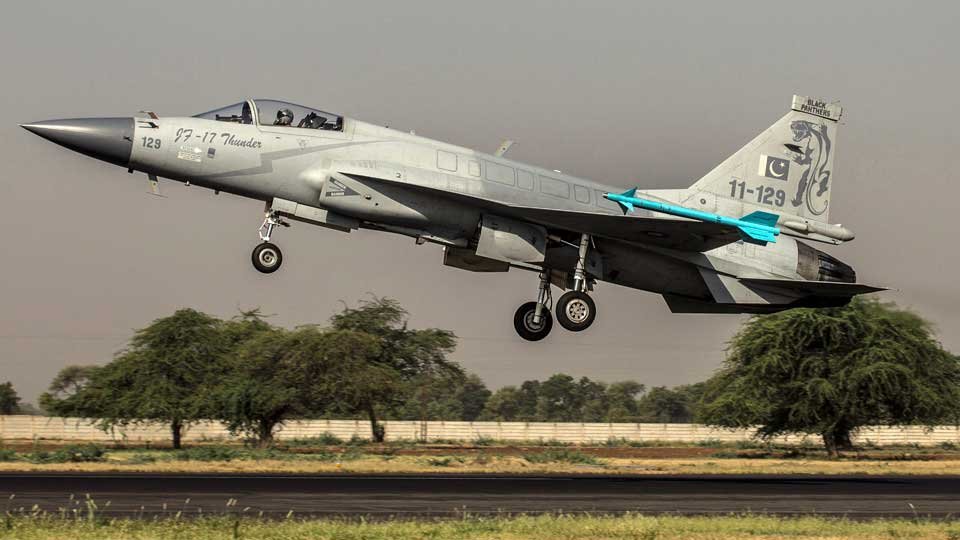
Pakistan’s defence manufacturing sector is attracting significant international attention following last year’s incident in which the Pakistan Air Force shot down Indian combat aircraft. Reports indicate that Islamabad has engaged in defence export discussions with 13 countries, with six to eight negotiations reportedly at an advanced stage. These talks cover a wide range of military equipment, including JF-17 fighter jets co-produced with China, training aircraft, drones, air defence systems, ammunition, and armoured vehicles.
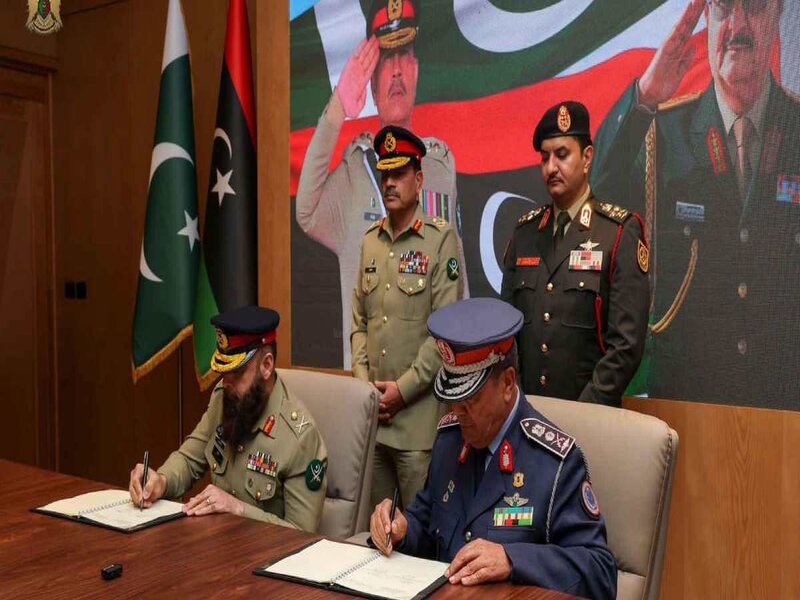
Several countries have shown formal interest in Pakistani-made military hardware, particularly fighter aircraft. Nations involved in these discussions include Sudan, Saudi Arabia, Indonesia, Morocco, Ethiopia, Nigeria, and the eastern Libyan administration, with Pakistan also publicly confirming talks with Bangladesh and Iraq. Most potential buyers are Muslim-majority countries in the Middle East and Africa, regions where Pakistan has long-standing security and defence ties.
Among the most advanced negotiations are those with Bangladesh, covering JF-17 Block III multirole fighters, MFI-17 Mushshak training aircraft, Shahpar reconnaissance and attack drones, air defence systems, and mine-resistant armoured vehicles. Cost is a major factor driving international interest, as the JF-17 is priced at around $30–40 million, significantly lower than comparable Western aircraft, which can cost over three times as much.
The JF-17 fighter jet remains the centerpiece of Pakistan’s defence export strategy, alongside training aircraft and drones. Production of fighter jets could see a substantial increase by the end of 2027, potentially doubling from the current rate of about 20 aircraft per year. While Pakistan faces some structural challenges in scaling up its defence manufacturing, collaboration with China and growing involvement from the private sector, particularly in drone production, are expected to overcome most constraints. Several private firms are already manufacturing reconnaissance and loitering munitions for military use.
Despite the surge in foreign interest, it remains uncertain how many of these negotiations will result in signed contracts, as discussions may still fall through due to pricing, technical requirements, or strategic considerations.