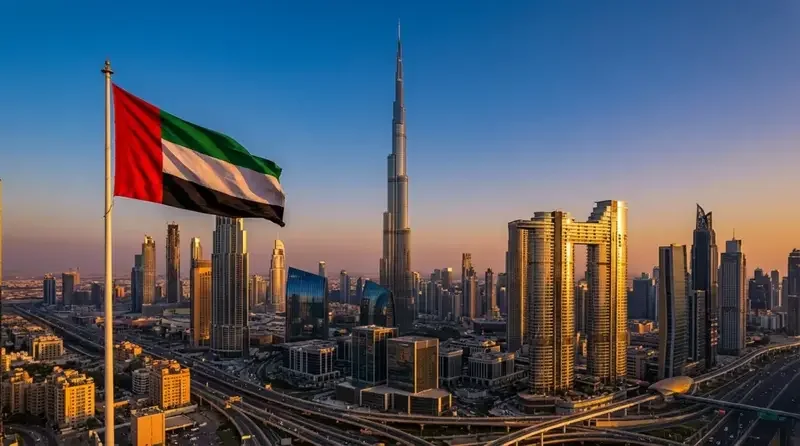
As 2026 begins, the UAE has rolled out several major policy changes affecting schools, taxes, travel, sustainability, parking, and digital services. These new regulations aim to align public services with national priorities, promote public health, and support environmental goals.
In education, the Knowledge and Human Development Authority (KHDA) announced that from January 9, 2026, private schools and early childhood centers in Dubai must end classes by 11:30 am on Fridays. This adjustment aligns school timings with the standardized nationwide Friday prayer schedule, allowing students and staff to return home before prayers. The General Authority of Islamic Affairs confirmed that, starting January 2, 2026, Friday sermons and prayers across the UAE will begin at 12:45 pm, with authorities urging worshippers to arrive early.
On the taxation front, the UAE introduced a tiered excise tax on sugar-sweetened beverages starting January 1, 2026. The new system replaces the previous flat 50% tax and ties the tax rate to sugar content, following a GCC-wide model to promote healthier consumption and improve public health.
Travelers will also benefit from Dubai Airports’ expansion of the Red Carpet biometric service at Terminal 3, launching in January 2026. After a one-time biometric registration, arriving passengers can use AI-powered smart corridors for faster immigration processing, improving efficiency and reducing wait times.
Sustainability measures are taking a major step forward as the UAE enforces a nationwide ban on several single-use plastics starting January 1, 2026. The ban covers beverage cups and lids, cutlery, chopsticks, plates, straws, stirrers, and Styrofoam containers, supporting circular economy goals. Dubai is implementing the final phase of its single-use plastic restrictions concurrently, requiring businesses to adopt approved alternatives under guidance from Dubai Municipality.
Additionally, the Discovery Gardens community in Dubai will see the introduction of paid parking, reflecting the government’s efforts to manage urban infrastructure more efficiently.
These combined policy changes illustrate the UAE’s focus on public welfare, environmental sustainability, and streamlined services as the country enters 2026.