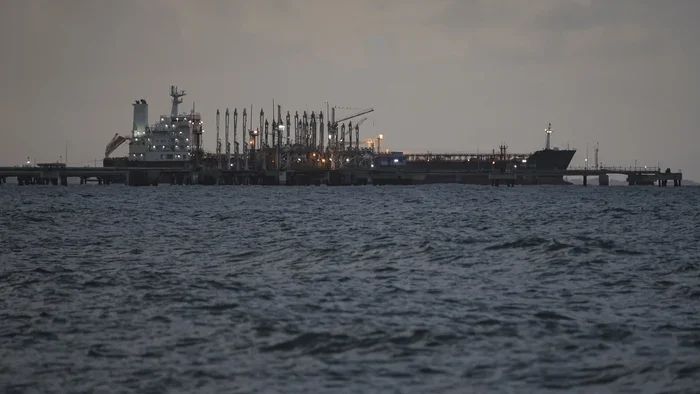
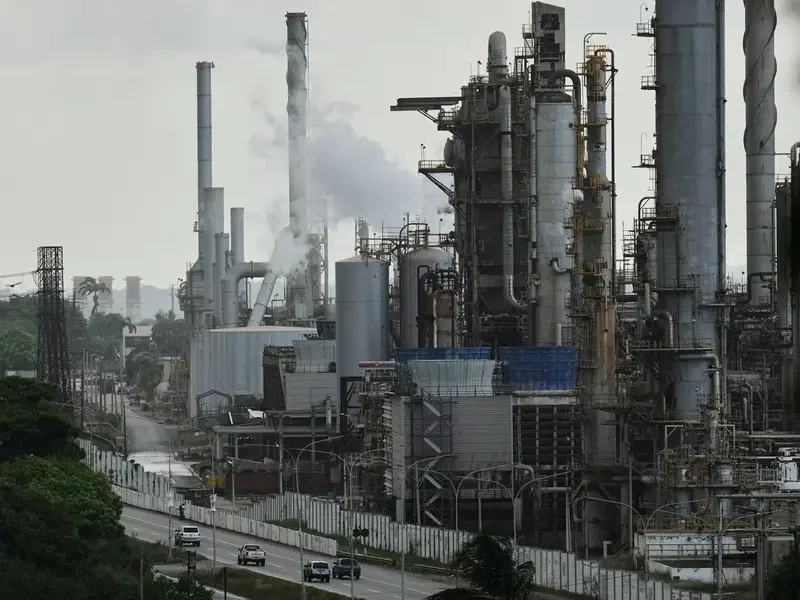
Venezuela, home to the world’s largest oil reserves, is facing a severe crisis in its energy sector following the capture of President Nicolás Maduro by U.S. forces. The country’s oil industry, once a hub for international investment, was reshaped in the 2000s when former President Hugo Chávez expropriated assets from foreign companies, consolidating control under the state-owned oil company PDVSA. Today, foreign firms must navigate U.S. sanctions and obtain official authorizations to operate or negotiate energy projects in Venezuela, with oil exports largely halted amid ongoing political and economic instability.
BP received an exploration and production license in 2024 for the Venezuelan portion of the cross-border Manakin-Cocuina gas field, in partnership with Trinidad and Tobago’s National Gas Company. However, the U.S. revoked a previous authorization, delaying project development. BP has not publicly commented on its current involvement, leaving the future of its operations uncertain.
Chevron remains one of the few major foreign companies actively operating in Venezuela. The company entered into joint ventures with PDVSA and holds stakes ranging from 25 to 60 percent in several onshore and offshore projects. Chevron has continued exporting crude to the U.S. Gulf Coast, averaging around 140,000 to 150,000 barrels per day, while asserting compliance with all relevant laws and sanctions.
Chinese state-owned companies, including China National Petroleum Corporation and Sinopec, also maintain significant involvement in Venezuela’s oil sector. These firms hold joint ventures and have planned new investments, although progress is complicated by international sanctions.
ExxonMobil no longer operates in Venezuela after refusing to join PDVSA-controlled joint ventures following the nationalization of its assets. The company has pursued legal claims for compensation, with U.S. courts recognizing Venezuela’s obligation to pay nearly $1 billion for expropriated properties. Repsol holds stakes in both producing and undeveloped fields but faces operational challenges due to revoked U.S. authorizations and outstanding payments from Venezuelan entities. Shell’s planned development on the Dragon offshore gas field has stalled due to government changes and sanctions constraints.
Russian energy firms, including Rosneft, also play a role in Venezuela, holding stakes in PDVSA joint ventures and securing long-term oil-backed loans. These international partnerships are essential for maintaining production amid limited domestic investment and infrastructure challenges.
Despite Venezuela’s vast oil reserves, production remains constrained by sanctions, political instability, and deteriorating infrastructure, leaving many foreign-led energy projects stalled and the country’s oil exports at a standstill. The situation highlights the complex geopolitical and economic challenges facing international oil companies operating in Venezuela’s troubled energy market.