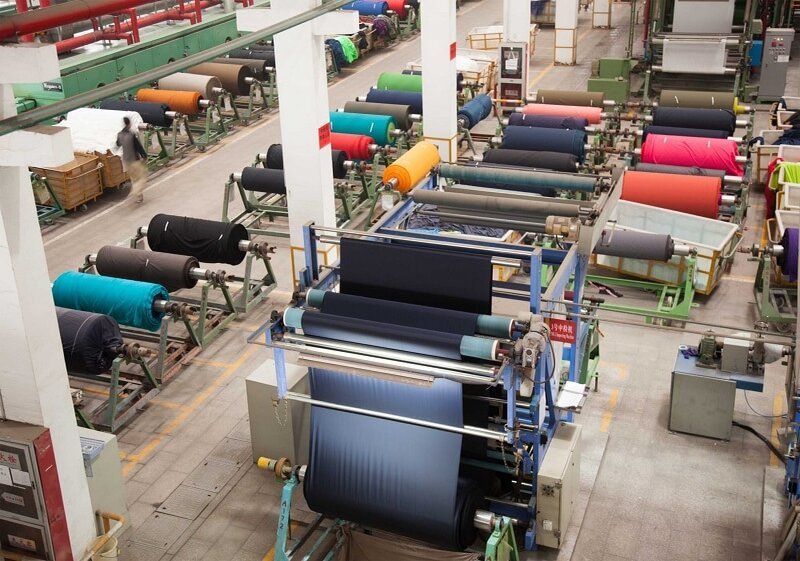
Pakistan’s textile industry has strongly opposed the recent surge in the gas levy, which has been raised to Rs. 1,243 per MMBtu for off-grid captive power plants as of December 2025. Business leaders warn that the sharp increase could undermine the country’s export growth targets, particularly at a time when Pakistan is aiming for $60 billion in exports under its economic roadmap.
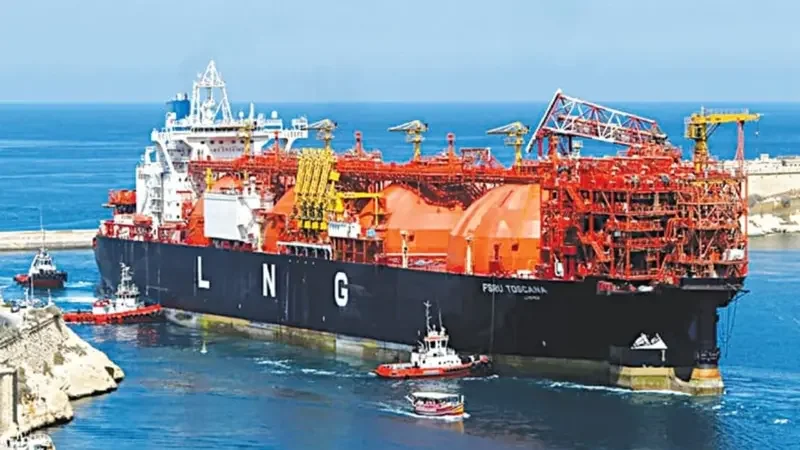
The Pakistan Textile Council highlighted that the levy represents a major cost shock for export-oriented industries that heavily rely on gas for energy. The increase from Rs. 402 per MMBtu to Rs. 1,243 per MMBtu has already led to a reduction in export sector gas demand, domestic gas curtailment of roughly 300 MMCFD, and diversion of LNG cargoes. Reduced industrial consumption has also raised concerns about operational disruptions in gas utilities, affecting throughput and system stability.
Fawad Anwar, Chairman of the Pakistan Textile Council, stated that the levy introduces uncertainty in energy pricing by allowing additional charges beyond regulator-notified tariffs. This unpredictability complicates investor planning, cost management for businesses, and financing from banks, increasing overall economic risk.
Industry stakeholders have also criticized the uniform application of the levy across all captive power plants, including high-efficiency cogeneration systems. They argue that this discourages energy efficiency, as globally such systems are typically incentivized to reduce emissions and optimize fuel use. Additional concerns include the use of levy proceeds to subsidize electricity tariffs for other consumer categories, effectively transferring financial burden to export-oriented sectors.
The Pakistan Textile Council has called on the government to review the policy, restore regulator-based pricing, protect efficient energy systems, and align energy costs with the competitiveness of the export sector.