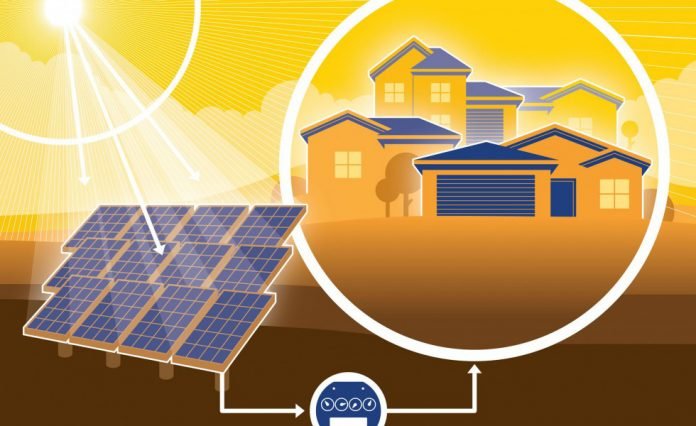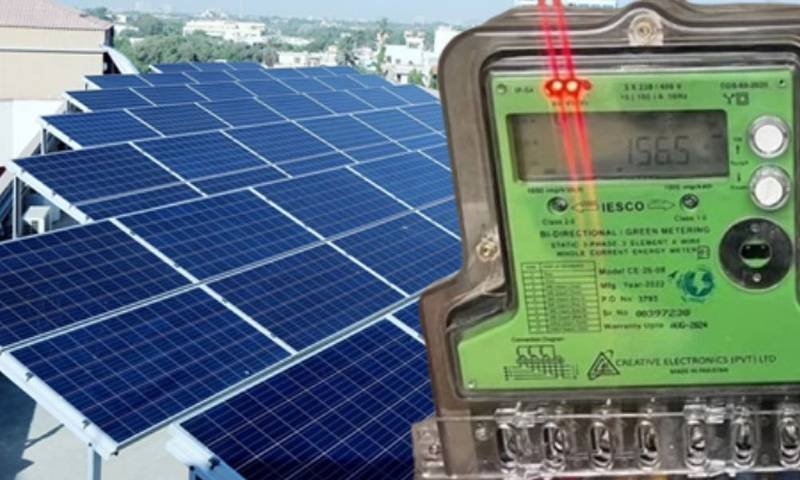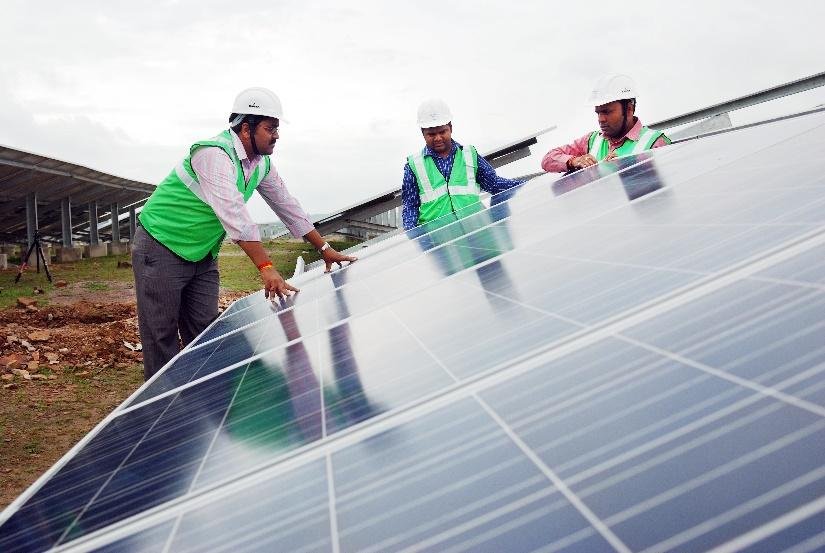
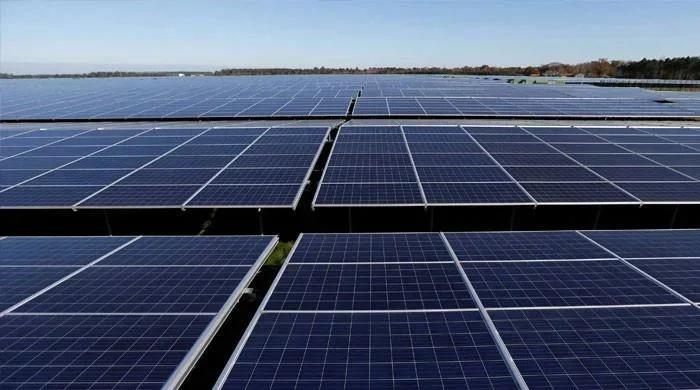
Pakistan’s rooftop solar adoption has surged in recent years, positioning the country as a major player in distributed solar generation. Currently, around 7,000 megawatts of net metering-based solar systems are connected to the grid, while an estimated 13,000 to 14,000 megawatts of off-grid capacity operate independently, according to the Power Division’s Power Planning and Monitoring Company (PPMC). Imports of solar panels reached roughly 50 gigawatts in 2025, double the previous year, reflecting growing demand amid rising electricity costs and frequent outages. Households and businesses are increasingly turning to photovoltaic technology to achieve energy independence.
Despite these gains, the rapid expansion raises critical environmental and regulatory concerns. Solar panels typically have a lifespan of 25 to 30 years. Pakistan, having imported panel capacity equivalent to the national grid in just four years, faces a looming challenge of photovoltaic waste. The International Renewable Energy Agency projects global solar waste could reach 78 million tonnes by 2050, and this figure may rise if panels are replaced early for efficiency gains. Without proper end-of-life management, millions of panels risk ending up in landfills, potentially leaching toxic heavy metals like lead, cadmium, selenium, and arsenic into soil and groundwater, causing long-term environmental and health hazards.
The carbon footprint of solar panels also warrants attention. Producing crystalline silicon cells requires extremely high temperatures, contributing 50 to 70 percent of a panel’s total lifecycle emissions, averaging 40 to 50 grams of CO₂ equivalent per kilowatt-hour. Most panels imported by Pakistan are manufactured in fossil fuel-reliant facilities, further embedding carbon emissions before any electricity is generated.
Battery storage adds another layer of complexity. Lithium-ion battery imports reached an estimated 1.25 gigawatt-hours in 2024, with projections of 8.75 gigawatt-hours by 2030. These batteries contain hazardous materials and require specialised recycling infrastructure, which is largely absent in Pakistan. Globally, lithium-ion recycling rates remain low, around 20 percent in the United States, highlighting the challenge of safe disposal.
Recycling solar panels is technically demanding and economically challenging. Valuable materials such as silver, copper, and silicon can be recovered, but extraction requires sophisticated processes and infrastructure currently unavailable in Pakistan. Without proper regulatory frameworks and collection systems, billions of rupees’ worth of recoverable resources could be wasted, while environmental risks persist.
Equity and grid sustainability also present concerns. Rooftop solar adoption is concentrated among wealthier households capable of investing in systems. NEPRA data shows that net-metered consumers effectively shifted around 159 billion rupees to other grid users in 2024, a figure projected to rise to 4.24 trillion rupees by 2034 if not addressed. This cost-shifting places a disproportionate burden on those unable to afford solar systems. Recent NEPRA regulations shifting from net metering to net billing aim to correct this imbalance by valuing exported electricity at its true system cost and encouraging appropriately sized systems for self-consumption rather than oversized installations designed for export.
While solar energy is a cornerstone of Pakistan’s energy transition, its environmental and social implications demand careful management. Policymakers and stakeholders must implement comprehensive plans for panel manufacturing oversight, end-of-life recycling, hazardous material management, and equitable cost distribution to ensure the rooftop solar revolution remains sustainable. The rapid growth of solar must be matched with forward-looking strategies to mitigate waste, protect the environment, and ensure fairness across the electricity grid.