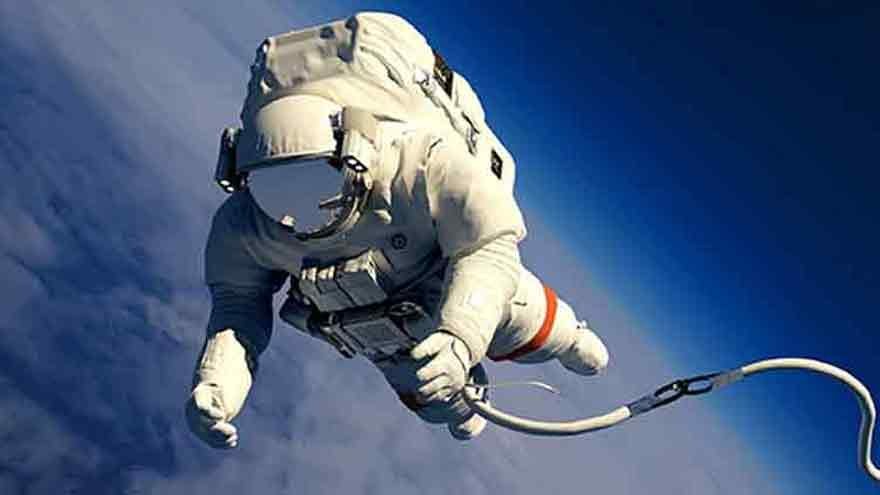
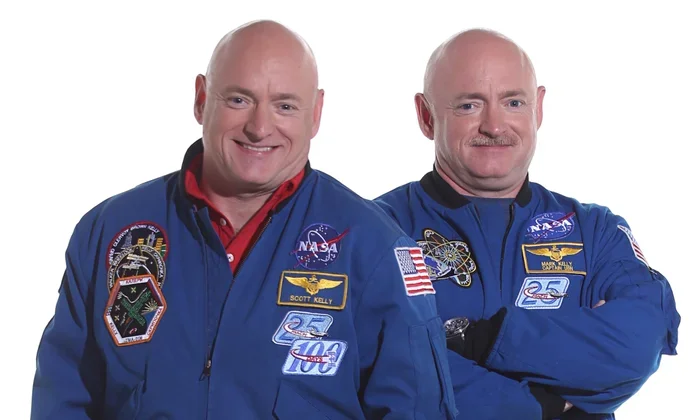
In 2015, NASA conducted a pioneering year-long twin study to examine the effects of extended space travel on the human body. Astronaut Scott Kelly spent 340 days aboard the International Space Station, while his identical twin Mark Kelly remained on Earth as a control. Researchers monitored both twins before, during, and after Scott’s mission to isolate the specific impacts of long-duration spaceflight.
During his time in orbit, Scott experienced measurable biological changes, including alterations in gene expression, shifts in immune system activity, elongation and later shortening of telomeres, and signs of DNA damage associated with cosmic radiation exposure. Remarkably, most of these changes reversed within months after his return to Earth, indicating a high degree of physiological resilience.
The study, later published in Science journal, has provided critical insights into human adaptation to prolonged microgravity and radiation. These findings are informing NASA’s preparations for future deep-space missions, including potential crewed journeys to Mars, by highlighting both the risks and the remarkable adaptability of the human body in space.