
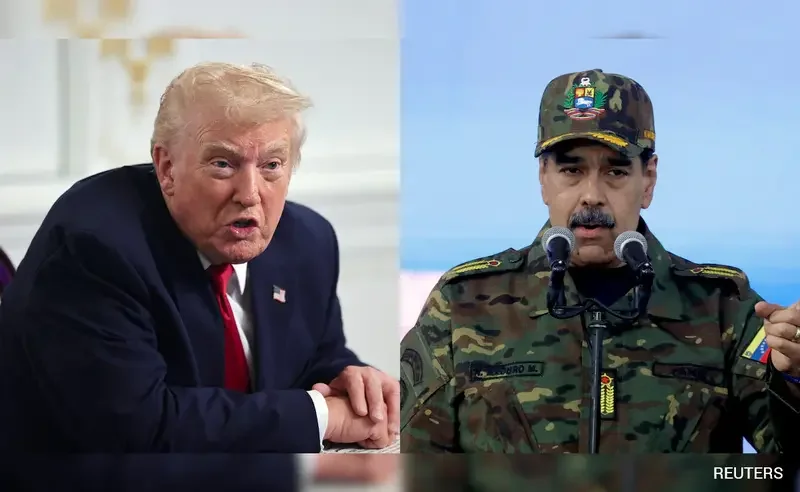
Venezuela’s interim leader Delcy Rodríguez has described relations with the United States as carrying a “stain” following a U.S. military operation in early January 2026 that resulted in the capture of President Nicolás Maduro. Rodríguez acknowledged the unprecedented impact of the attack on bilateral relations but defended ongoing negotiations to sell Venezuelan crude to the United States as a pragmatic step for the country’s economy, emphasizing that trading with Washington is not unusual despite the political tensions.
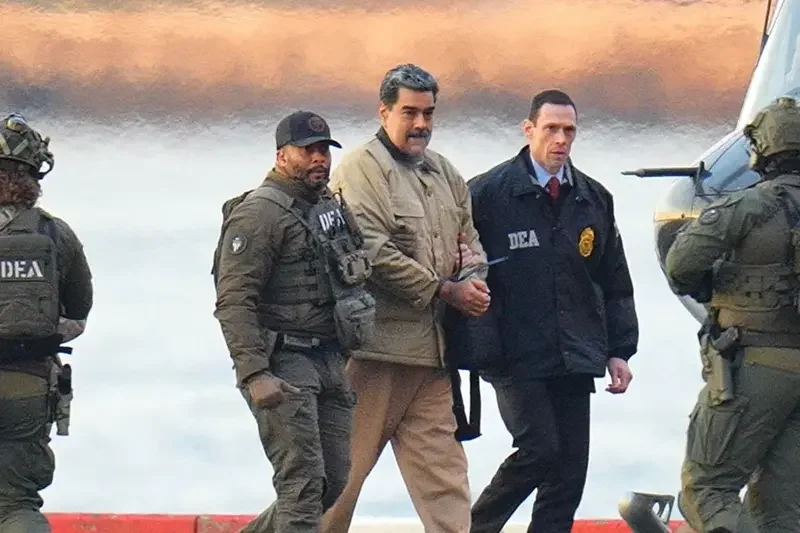
The U.S. operation involved coordinated strikes in Caracas and other key locations, targeting military installations and ultimately leading to Maduro’s removal and transfer to the United States to face federal charges. Venezuelan Interior Minister Diosdado Cabello reported that approximately 100 people were killed and dozens more wounded during the attack, including both Venezuelan and allied personnel. Maduro and his wife, Cilia Flores, sustained injuries but were reported to be recovering, and both were seen walking independently during subsequent court proceedings in New York.
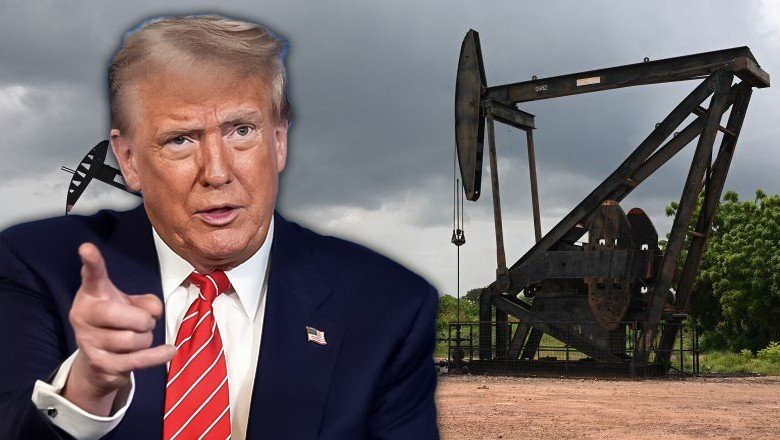
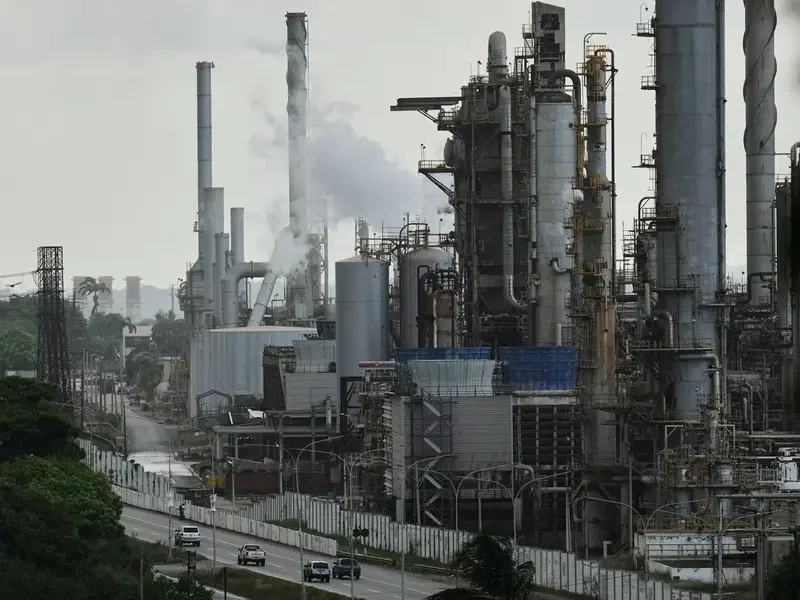
Following the military action, the U.S. government announced plans to refine and sell Venezuelan crude, with strategies to handle tens of millions of barrels of oil previously under state control. Venezuela’s state oil company PDVSA confirmed that discussions with the United States over crude oil sales are ongoing, highlighting efforts to maintain commercial relations while navigating the political fallout. Analysts estimate that the oil deal could be worth billions of dollars and would significantly impact U.S. energy supply and Venezuelan economic recovery.
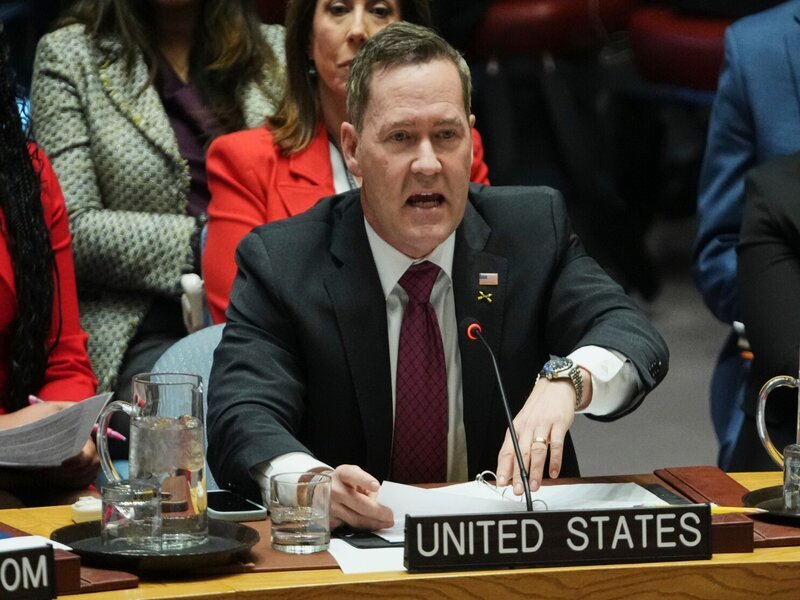
The operation has sparked international debate, with legal experts and global institutions questioning the legality of the U.S. military intervention in Venezuela. Critics argue that the operation violates international law and undermines national sovereignty, while the United Nations has raised concerns about unilateral military actions without Security Council authorization.
Despite the attack, Delcy Rodríguez emphasized that Venezuela’s interim administration continues to manage the country’s affairs independently. The government is working to maintain stability, oversee economic operations, and ensure that oil export negotiations proceed, while domestic and international observers monitor the evolving political and security situation.
The events highlight escalating tensions between the United States and Venezuela, the strategic importance of Venezuelan oil, and the broader implications of military interventions in sovereign nations. The situation continues to draw global attention as both economic and political outcomes unfold.




























Comments (1)