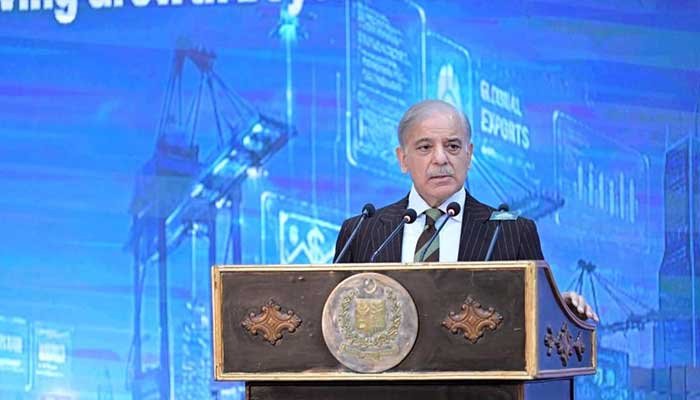
Prime Minister Shehbaz Sharif announced a significant reduction in industrial wheeling charges, lowering the cost by Rs. 4.04 per unit to support exporters and stimulate industrial activity. The wheeling charges, previously Rs. 12.55 per unit, have been cut to Rs. 8.51 per unit, with plans to further reduce them by Rs. 9 per kilowatt hour to enhance industrial competitiveness.
As part of the economic relief measures, the export refinance rate has been reduced by 300 basis points from 7.5 percent to 4.5 percent, providing cheaper financing to exporters operating in price-sensitive global markets. The prime minister emphasized the government’s focus on easing cost pressures for industries, including lowering electricity tariffs and reducing financing costs, to promote sustainable economic growth.
Industrial electricity tariffs have been lowered by Rs. 4.04 per unit, with the government targeting a further reduction of up to Rs. 10 per unit in the near future. In addition, top-performing exporters will receive blue passports valid for two years to facilitate international travel and ease business operations.
The prime minister highlighted that Pakistan has faced recent economic challenges, including high inflation and a policy rate of 22 percent. Government measures have successfully reduced inflation to single-digit levels, while the policy rate now stands at 10.5 percent. Foreign exchange reserves have doubled in recent months, supported by loans from friendly countries such as China, Saudi Arabia, the UAE, and Qatar, helping Pakistan narrowly avoid a sovereign default during negotiations with the International Monetary Fund.
Despite achieving economic stability, PM Shehbaz acknowledged that poverty and unemployment have risen, and exports remain stagnant. He noted that high electricity costs and elevated interest rates continue to hinder exporters’ global competitiveness. The prime minister stressed that private-sector-led business growth is crucial and called for lower direct taxes to support industry, while maintaining strict collection of indirect taxes.
Awards were also presented to exporters who have made significant contributions to the national economy, recognizing their role in driving economic development and export growth.