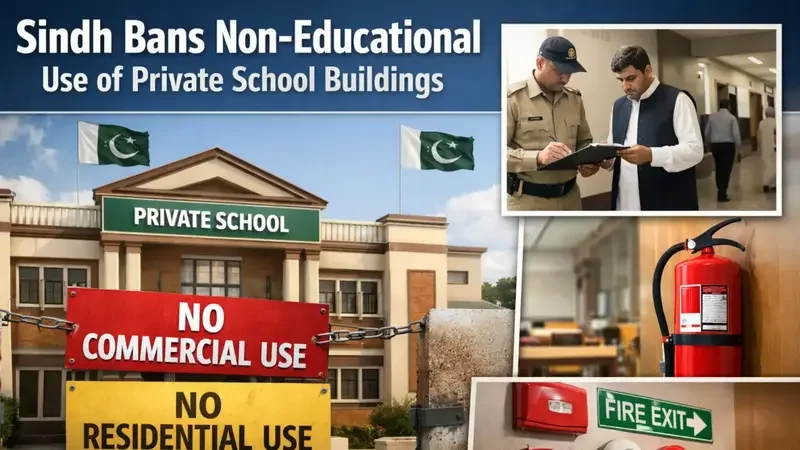
The Sindh education department has imposed a province-wide ban on the commercial and residential use of private school buildings to ensure that school premises are used solely for educational purposes. Authorities stated that several private schools were operating shops, offices, or living spaces within school buildings, practices that have now been declared illegal. Under the new directives, school premises may only be used for classrooms, education-related offices, and student activities to maintain a safe, disciplined, and distraction-free learning environment.
To enforce the order, inspection teams have begun visiting private schools across urban and rural areas to assess building usage, safety conditions, and compliance with regulations. Schools have been instructed to immediately remove all non-educational activities, as any commercial or residential setup within school premises is considered a serious legal violation. Institutions found breaching the rules may face strict action, including sealing of premises.
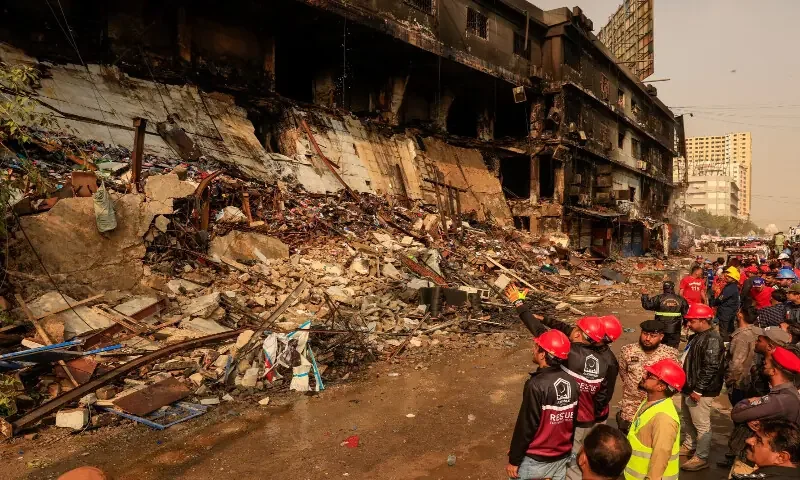
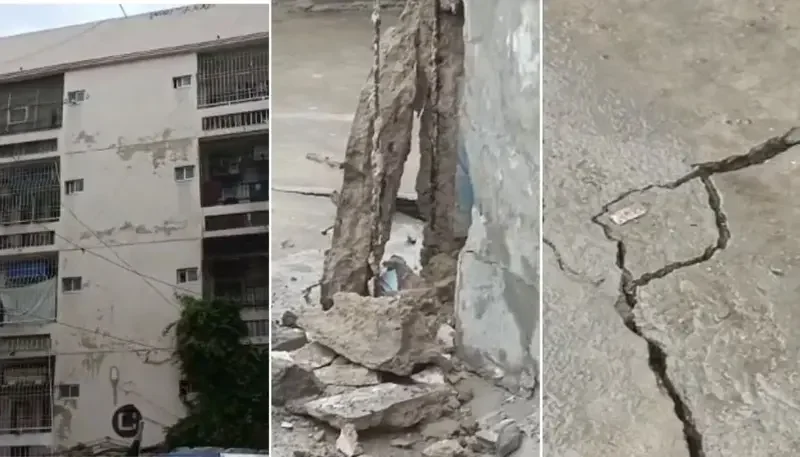
Private schools are now required to submit valid structural fitness certificates to confirm that their buildings are safe for use. Schools operating in weak, unsafe, or dilapidated structures have been ordered to vacate immediately, as the government aims to prevent accidents caused by poor construction. Authorities have made it clear that no compromise will be made on student safety, and schools failing to meet safety standards risk closure.
The education department has also warned that non-compliant schools may face suspension or cancellation of registration, which is mandatory for legal operation. In cases where accidents occur on school premises, full legal responsibility will rest with the school administration, reinforcing accountability and discouraging risky practices.
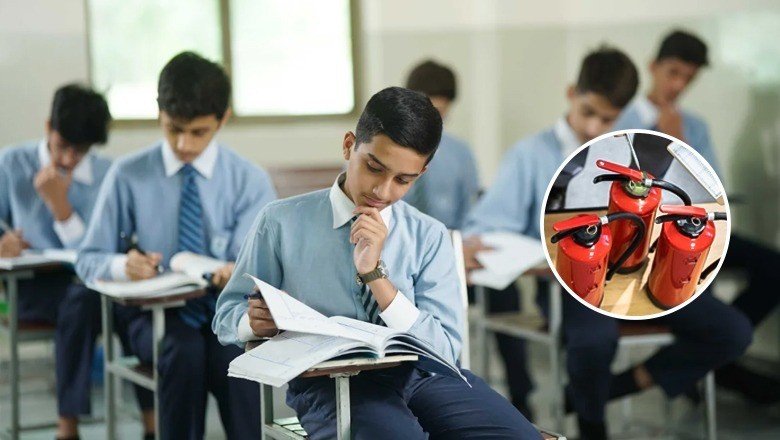
In addition, the Sindh government is strictly enforcing fire safety regulations for private schools. Institutions must install and maintain fire alarms, smoke detectors, and fire extinguishers, keep emergency exits and staircases clear, conduct regular electrical safety inspections, and pay special attention to high-risk areas such as laboratories and kitchens. Schools are also required to display clear fire evacuation plans to guide students and staff during emergencies.
These measures are intended to strengthen regulation of the education sector, improve accountability, and ensure that schools remain secure spaces dedicated entirely to learning. By banning non-educational use of school buildings and enforcing safety standards, the Sindh government aims to protect students and create safer learning environments across the province.