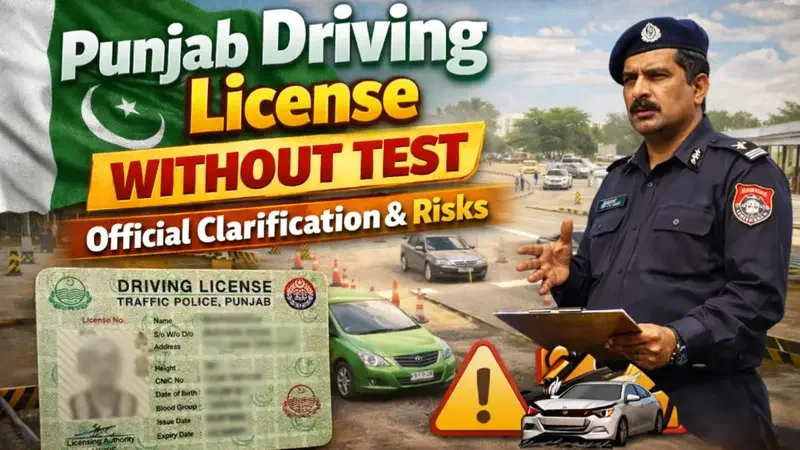
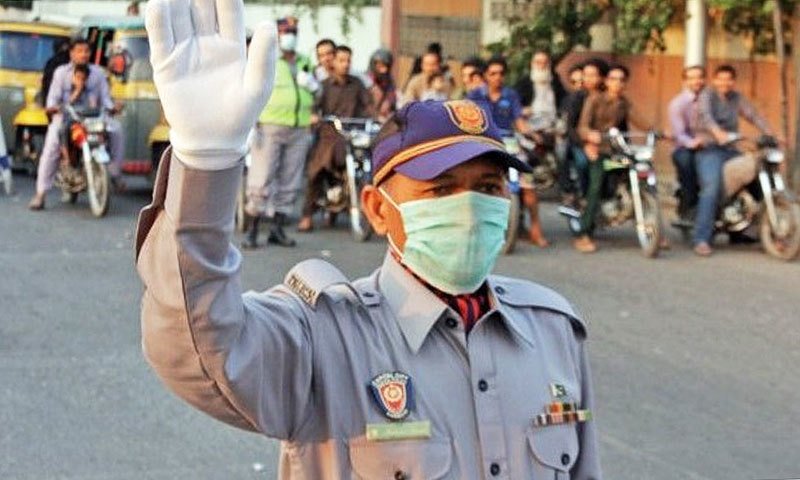
Traffic police in Rawalpindi are reportedly facing intense pressure after the department implemented a strict performance policy mandating that each warden issue a minimum of 10 challans per day. Sources indicate that officials who fail to meet this quota are being served show-cause notices for “poor performance,” reflecting a rigorous approach to enforcing the new targets.
An internal performance report dated 2nd December 2025, obtained by this scribe, highlights over 120 traffic officials from various sectors and circles who fell short of the required daily challan numbers. The flagged areas include key zones such as Murree Road, Old Airport, Dhoke Syedan, Adiala, Saddar, Mehrabad, Gujar Khan, New Town, Kallar, Pirwadhai, New Airport, Sadiqabad, City, and Taxila, with many wardens recording between one and eight challans during the evaluation period.
Citizens have voiced concerns that traffic policing is being reduced to a numbers game. While managing traffic flow, assisting commuters, responding to road emergencies, and ensuring public safety are core responsibilities of traffic personnel, the current policy evaluates performance solely based on the number of challans issued. In practice, wardens often spend significant time helping drivers, clearing congestion, or addressing accidents, activities that may not reflect on their official tally.
Many observers worry that the quota system could encourage unnecessary or forced issuance of challans, undermining public trust in the traffic enforcement system. Public opinion has been mixed: while most agree that strict traffic enforcement is essential for safety, there is widespread concern that tying performance to fines creates an unhealthy dynamic for both citizens and officers. Analysts suggest that the policy may need reconsideration to balance effective traffic management with fairness and public confidence.