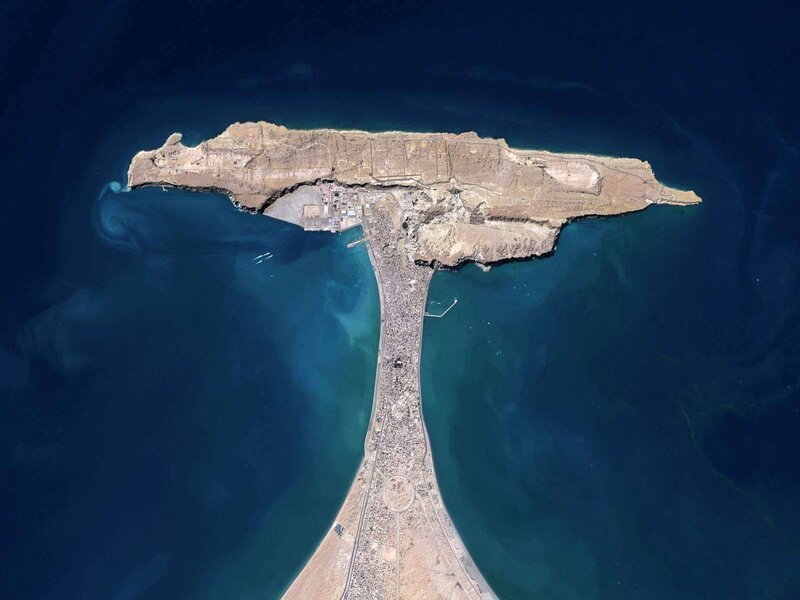
On 8 December 1958, Gwadar, a small but strategically located port town on the Arabian Sea, was formally handed over to Pakistan by the Sultanate of Oman, marking a historic milestone in Pakistan’s maritime and geopolitical history. This transfer was the culmination of diplomatic negotiations between Pakistan and Oman, with Gwadar becoming an integral part of Pakistan’s territory after being under Omani control for over a century.
The handover ceremony was led by a Pakistan Navy platoon under the command of Lieutenant Iftikhar Ahmed Sirohey, who would later rise to become the Chief of the Naval Staff. During the ceremony, the Pakistan flag was hoisted for the first time on Gwadar soil, symbolizing the official integration of the city into Pakistan and asserting the nation’s sovereignty over the region. The event was attended by local leaders and officials, marking a moment of national pride and strategic significance.
The acquisition of Gwadar significantly strengthened Pakistan’s maritime position on the Arabian Sea, providing a deep-sea port with immense potential for trade, naval operations, and regional influence. While initially a small fishing town, the strategic importance of Gwadar grew over the decades, eventually becoming a cornerstone of major economic initiatives such as the China-Pakistan Economic Corridor (CPEC).
The handover also opened doors for future development, including infrastructure expansion, port facilities, and urban planning, transforming Gwadar into a hub for commerce, maritime trade, and strategic operations. Today, the 1958 handover is remembered not only as a historic event of territorial consolidation but also as a key turning point that enhanced Pakistan’s economic and geopolitical standing in the region.