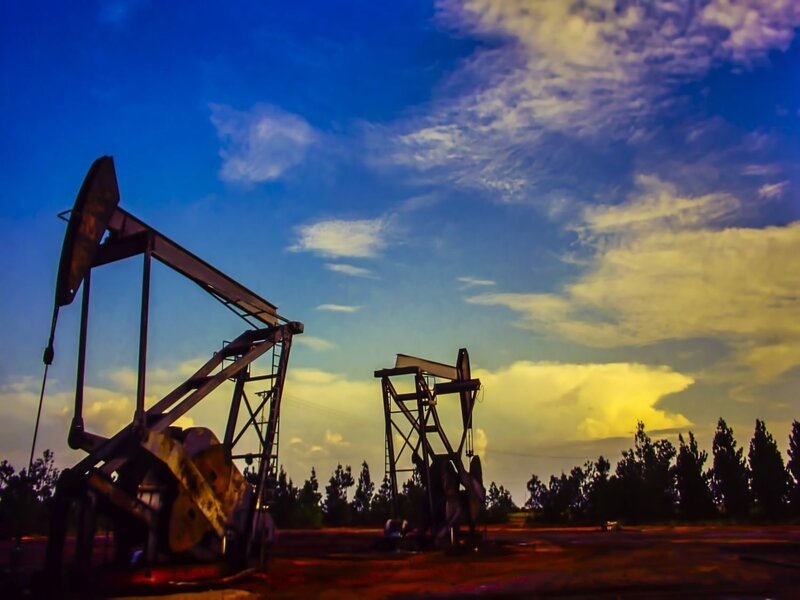
Venezuela continues to hold the world’s largest proven crude oil reserves, with approximately 303 billion barrels, accounting for nearly one-fifth of global reserves, according to the latest OPEC data. This positions Venezuela ahead of Saudi Arabia, Iran, Canada, and other major oil-producing countries, highlighting the concentration of energy resources in just a few nations. Despite its enormous reserves, Venezuela’s actual oil production remains far below potential due to decades of underinvestment, deteriorating infrastructure, and international sanctions that have limited output.
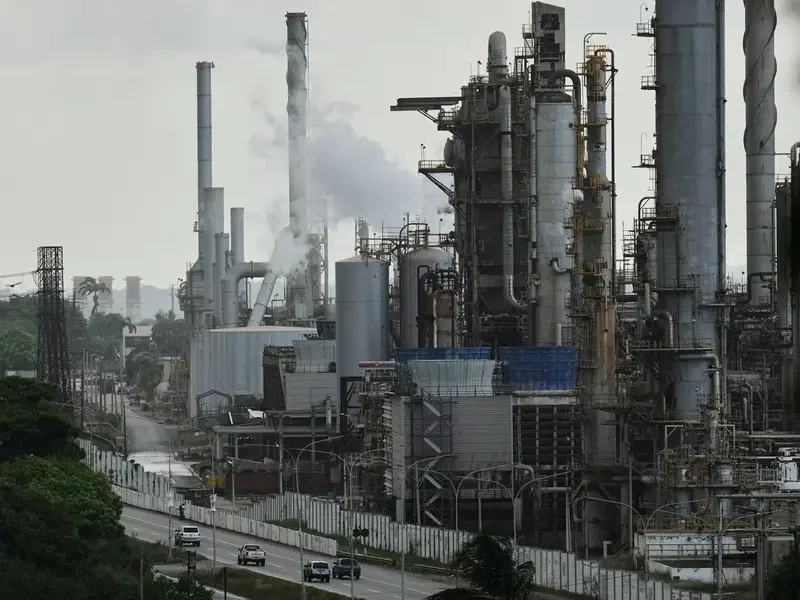
Most of Venezuela’s crude is heavy oil located in the Orinoco Belt, which requires advanced technology and significant investment to develop. This has contributed to the persistent gap between the country’s proven reserves and its current production levels.
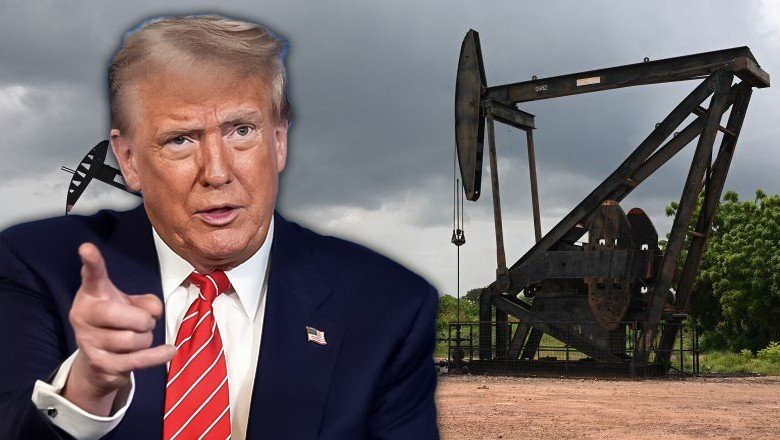
The Trump administration previously claimed that Venezuela’s oil was effectively “stolen” from the United States, citing the nationalization of the Venezuelan oil industry in 1976. These statements reflect longstanding U.S. interest in Venezuela’s oil resources, though experts note that such claims overlook Venezuela’s sovereign control over its natural resources and the legal complexities of nationalization.
OPEC data underscores Venezuela’s strategic importance in global energy markets, showing that its reserves remain far larger than those of most other oil-rich nations. The country’s vast crude resources give it the potential to influence long-term oil supply and prices, even as current production faces operational and political challenges.