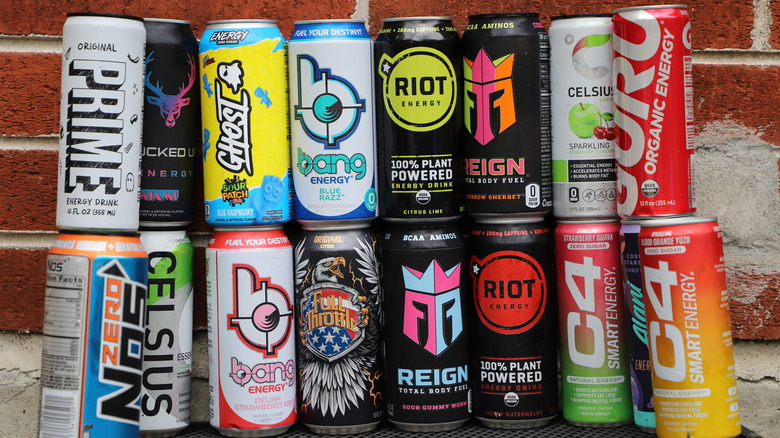
Kuwait has announced a ban on the sale and distribution of energy drinks, citing growing concerns over their negative impact on public health, particularly among children and young people. The decision follows warnings from health authorities about the widespread consumption of high-caffeine beverages and their potential long-term consequences. Officials say the move is part of a broader strategy to promote healthier lifestyles and reduce preventable health risks linked to diet and nutrition.
Energy drinks typically contain very high levels of caffeine, sugar, and stimulants such as taurine and guarana. Excessive caffeine intake can lead to serious health problems, including increased heart rate, high blood pressure, anxiety, insomnia, and digestive issues. In extreme cases, overconsumption has been linked to heart rhythm disturbances, seizures, and even cardiac arrest, especially among individuals with underlying health conditions.
One of the major disadvantages of energy drinks is their effect on children and adolescents. Young people are more sensitive to caffeine, and regular consumption can interfere with brain development, concentration, and sleep patterns. Poor sleep caused by stimulant use can negatively affect academic performance, mental health, and overall growth. Health experts also warn that energy drinks can increase irritability, restlessness, and dependency due to repeated stimulant exposure.
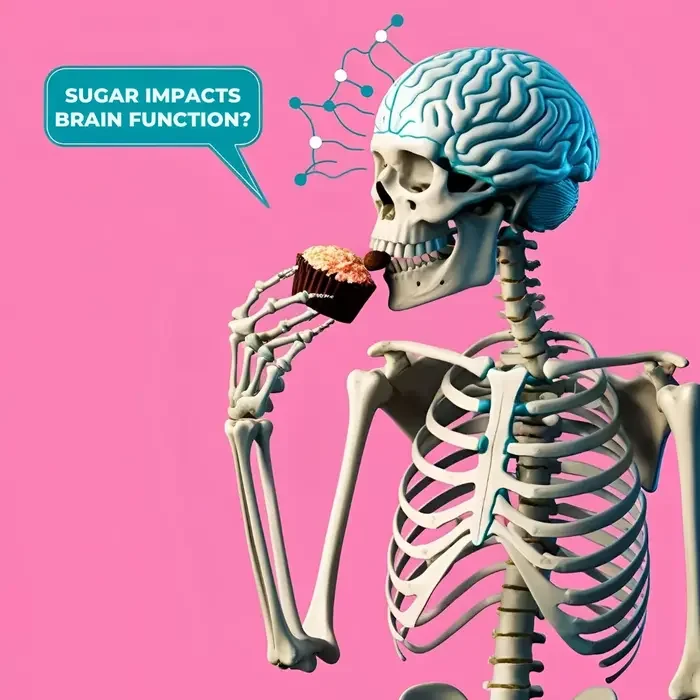
High sugar content is another serious concern. Many energy drinks contain as much sugar as multiple soft drinks combined, contributing to obesity, type 2 diabetes, tooth decay, and metabolic disorders. Regular intake adds empty calories with little to no nutritional value, increasing the risk of long-term chronic diseases.
Energy drinks are also often associated with risky behavior. Studies have shown that mixing energy drinks with alcohol can mask the effects of intoxication, leading individuals to consume more alcohol than intended. This increases the risk of accidents, injuries, and poor decision-making. Even without alcohol, the stimulant effect can encourage overexertion during physical activity, raising the risk of dehydration, heat exhaustion, and cardiovascular stress.
Kuwait’s ban reflects a growing global trend, with several countries already restricting or regulating energy drink sales, especially to minors. Authorities believe that limiting access to these beverages will help reduce health complications, lower healthcare burdens, and encourage safer alternatives such as water, natural juices, and balanced nutrition.
The decision sends a strong public health message, emphasizing prevention over treatment and prioritizing the well-being of future generations.