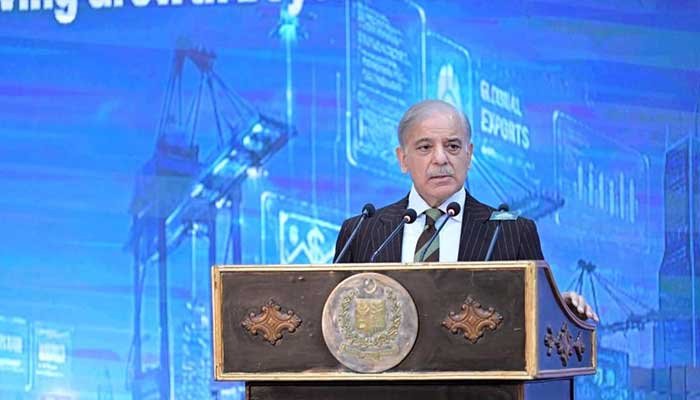
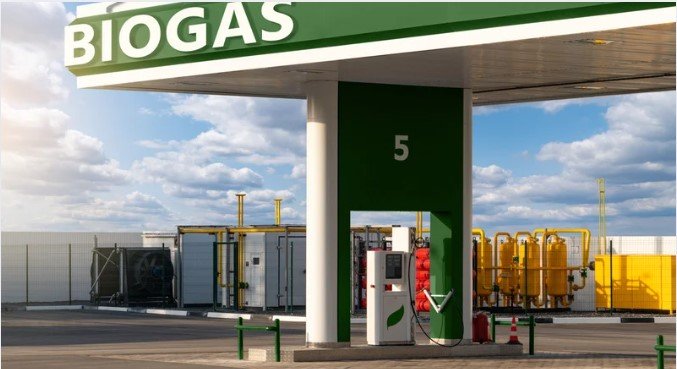
The Chief Minister of Punjab, Maryam Nawaz, has approved the establishment of six biogas plants to promote clean and renewable energy in the province. During a briefing on Punjab’s clean energy initiatives, it was decided that four plants will be set up in Lahore and two in Faisalabad, marking the beginning of biogas-based energy production in the region. These plants are expected to supply household energy and produce bio-fertiliser for agricultural use. Maryam Nawaz also directed officials to develop a plan for small-scale biogas plants.
The meeting further approved a feasibility study for a multi-fuel bio-refinery in Lahore and authorized a waste-to-energy project in the city. Additionally, three pilot biogas projects will be incorporated into the government’s “Model Village” program, with instructions to ensure their early completion.
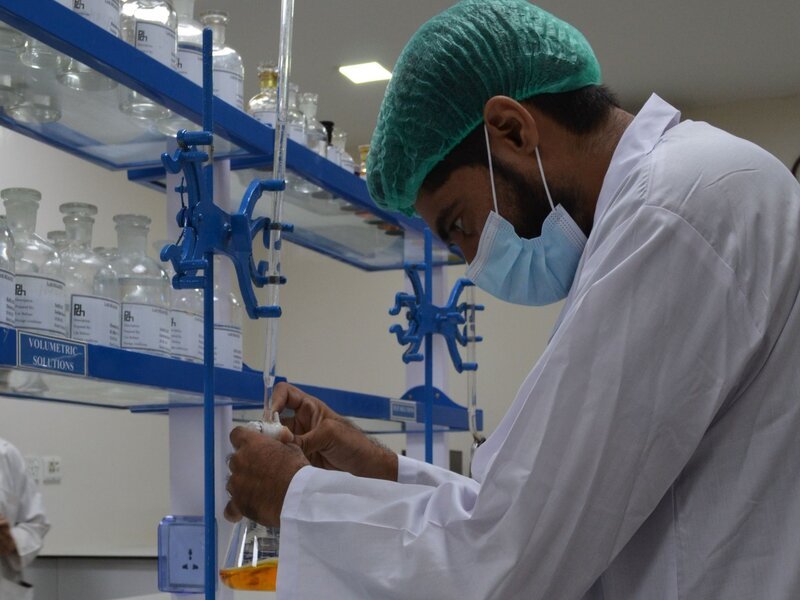
In a related development, the Punjab Directorate of Drugs Control issued an urgent alert ordering the immediate suspension of several substandard and adulterated medicines. Retailers, wholesalers, and distributors are required to halt sale and distribution immediately and report stock levels to local drug inspectors. The Provincial Quality Control Board directed the recall of affected products based on lab tests, which identified sterility failures and misbranding under the Drugs Act, 1976.
Recalled medicines include Omnivisc 2% Ophthalmic Solution (Batches OMV190171 and OMV191171), Cetfin 10 mg Film-Coated Tablets, Cenex 10 mg Film-Coated Tablets, Isobaj Injection (10 mL), Neocobal Injection, Megadip 5 mg Tablets, Kamedex Injection (1 mL), and Ascard-75 Enteric-Coated Tablets. The recall highlights ongoing efforts to ensure public safety and maintain quality standards in the pharmaceutical sector.